
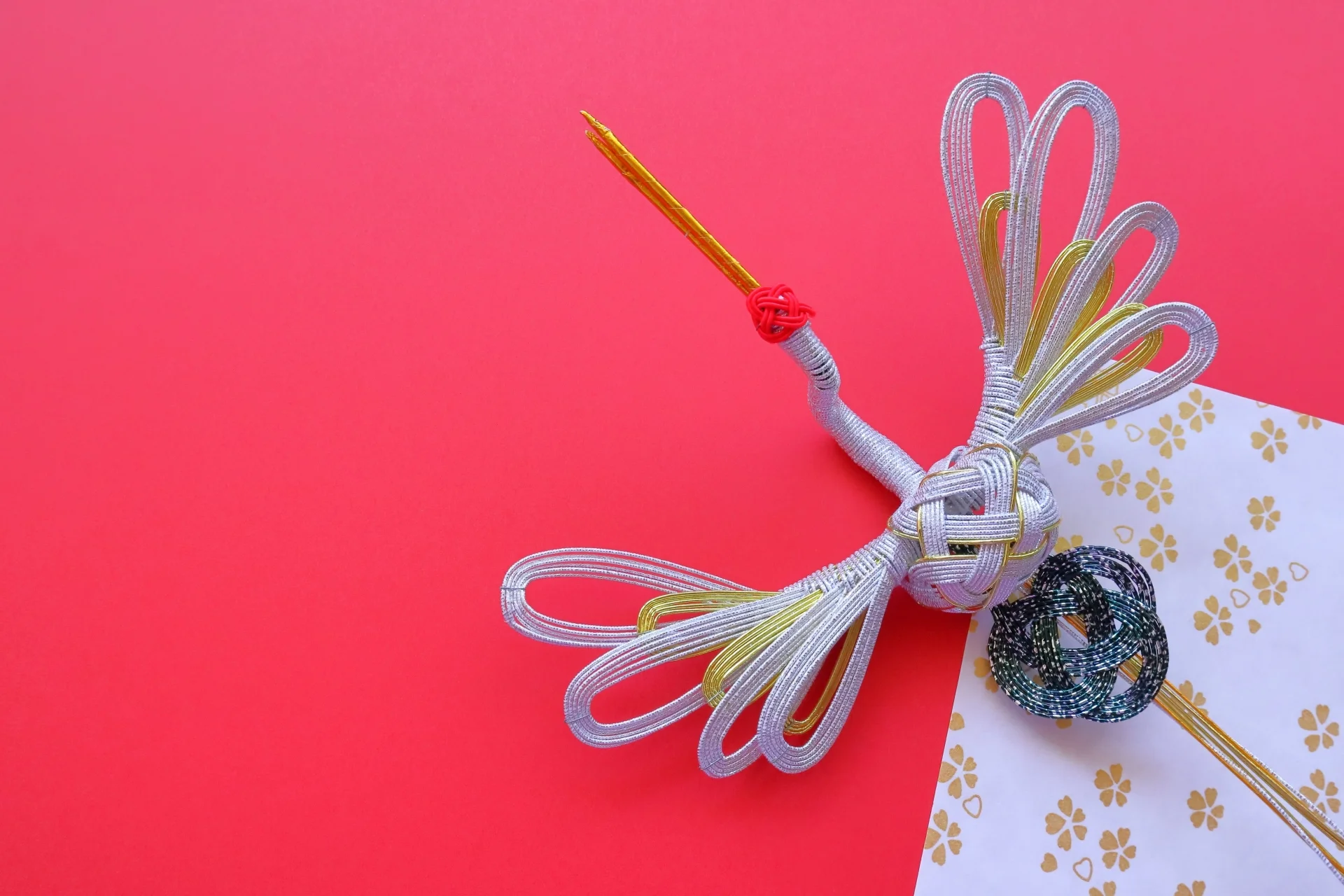
TL;DR – Yuinou Engagement Ceremony
- – Yuinou (結納): Traditional engagement ritual exchanging symbolic gifts/money between families — expresses gratitude and commitment.
- – Types: Formal (with nakōdo go-between) or casual (family meal).
- – History: Heian/Kamakura origins; now only ~8% of couples (often replaced by Kao-awase).
- – Modern: Flexible, reciprocal; simpler gifts.
- – For Foreigners: Confirm interest, choose type/location; semi-formal dress, gifts ¥100K–1.5M.
Before a Japanese wedding, there could be a meaningful ceremony called Yuinou (結納) — a traditional engagement ritual that symbolizes gratitude and the formal promise of marriage between two families.
While fewer couples hold it today, the Yuinou remains an elegant reflection of Japan’s deep cultural heritage and the value placed on family harmony. In this article, we’ll explore what the Yuinou Ceremony is, its history, and useful tips for those planning or attending one.
- What is the Yuinou (結納) Ceremony?
- Historic & Cultural Significance of the Yuinou (結納) Ceremony
- Key Elements of the Yuinou (結納) Ceremony?
- Has the Yuinou (結納) Ceremony been modernised?
- Tips for planning your own Yuinou (結納) Ceremony as a foreigner
- Tips on attending the Yuinou (結納) Ceremony as a foreigner
- Conclusion
- References
What is the Yuinou (結納) Ceremony?
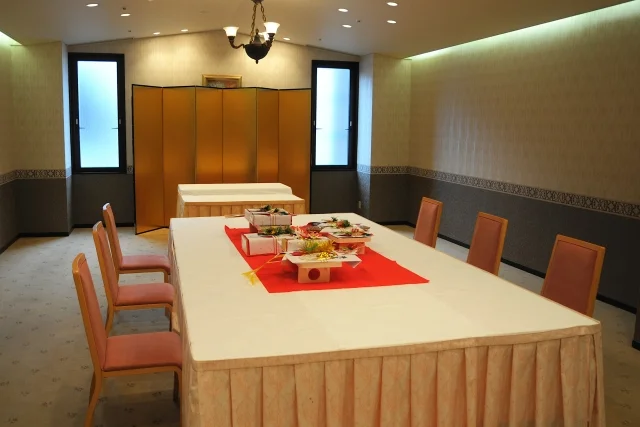
The term Yuinou (結納) literally means “offering engagement gifts.” It refers to the exchange of symbolic presents or money between the families of the bride and groom, expressing appreciation and commitment before the wedding.
Traditionally, if the woman takes the man’s surname, the groom’s family offers gifts to the bride’s parents. If the roles are reversed, where the man joins the woman’s family, then the woman’s family makes the offering. After receiving the gifts, the recipient’s family sends a letter to formally acknowledge and thank the giver.
The ceremony is typically held before the wedding and lasts about 20 minutes.
Two types of Yuinou Ceremony:
- Official Yuinou Ceremony (正式結納 / Seishiki Yuinou)
A formal version where a go-between (called a nakōdo) visits both households to conduct the ritual. - Casual Yuinou Ceremony (略式結納 / Ryakushiki Yuinou)
A simplified ceremony is often held at a hotel, the bride’s home, or a traditional Japanese restaurant.
For a complete guide to Japan’s marriage registration process, read our guide to legal requirements for getting married in Japan as a foreigner.
Historic & Cultural Significance of the Yuinou (結納) Ceremony

In Japan’s history, marriage was viewed as a sacred process in which the bride became part of the groom’s family. To show gratitude and respect, the groom offered Yui-no-mono (gifts and money) to the bride’s parents.
The custom began during the Heian Period (794–1185), when a man would visit a woman’s home with gifts to propose marriage. By the Kamakura Period (1185-1333), this evolved into the more structured Yuinou ceremony we know today.
According to the Japanese wedding magazine Zexy, only 7.8% of couples hold a Yuinou in the modern day. However, some families still cherish this tradition as a heartfelt gesture of thanks and commitment. It also represents a promise to marry, and the money exchanged is often used toward wedding expenses.
Key Elements of the Yuinou (結納) Ceremony?
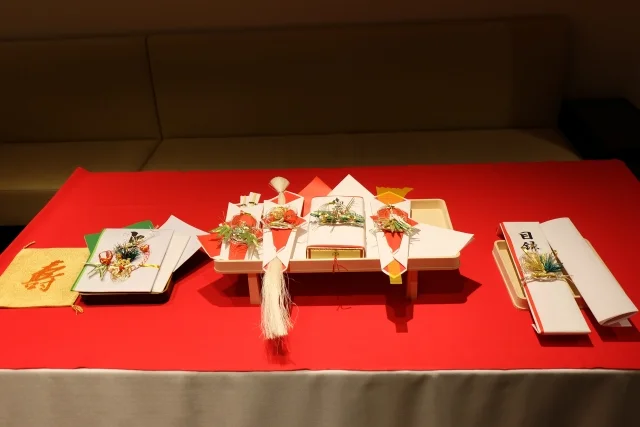
Many people confuse Yuinou with Kao-awase (顔合わせ) — a meeting where both families simply gather for a meal to get acquainted. Here are some elements that differentiate Yuinou from Kao-awase.
The difference between Kao-awase:
| Aspect | Yuinou Ceremony | Kao-awase |
| Nature | Formal ceremony. It can be guided by a middleman | Informal family meeting |
| Purpose | Express gratitude and a formal promise of marriage | Helps both families to get to know each other |
| Gifts | Involves giving engagement gifts or money | No gift exchange involved |
Has the Yuinou (結納) Ceremony been modernised?
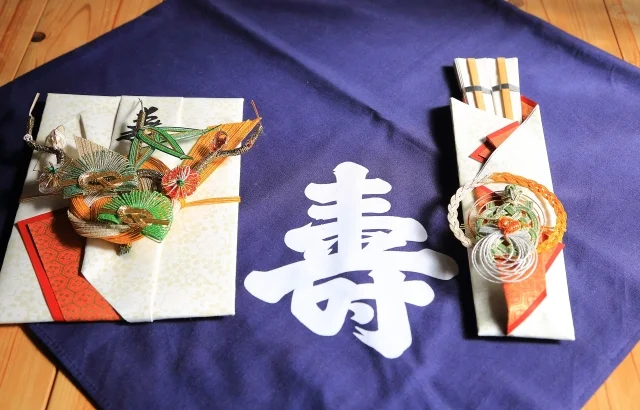
Yes, Yuinou has been modernized. In Japan, more couples prefer Kao-awase over Yuinou because it’s simpler and less formal.
Traditionally, women took the man’s surname and joined his family, but today, some couples choose not to change surnames, or men take the woman’s surname. Yuinou has become more flexible and reciprocal.
Gift-giving has also modernized — while money is still customary, gifts are often simpler and symbolic or optional.
Tips for planning your own Yuinou (結納) Ceremony as a foreigner

A Yuinou ceremony isn’t required for marriage, but if both families wish to honor the tradition, here’s how to plan it smoothly.
- Confirm Interest
First, ask the other family if they’d like to hold a Yuinou. Some may prefer a simple Kao-awase to avoid the formality or financial burden.
- Select the Type
Decide whether to have a formal or casual Yuinou. Casual ceremonies are usually family-only and don’t involve a middleman.
- Choose a Location
Ceremonies can be held at home, in restaurants, or in hotels. If held at a restaurant, the groom’s family (or host family) usually pays for the meal. If held at home, the host needs to ensure that there’s space to properly welcome guests.
- Decide on the Date
Most couples hold the Yuinou about 13 months before the wedding. This allows time for both families to discuss wedding expenses and guest lists.
- Choose the Time
In Japan, auspicious events are often held in the morning, as it symbolizes a bright beginning.
Tips on attending the Yuinou (結納) Ceremony as a foreigner
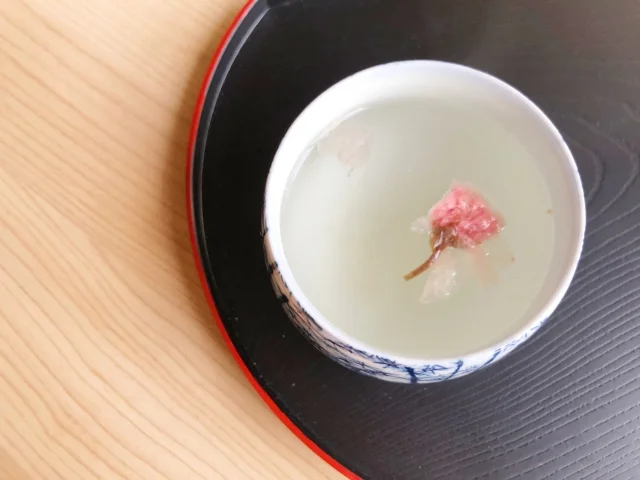
If you’re attending a Yuinou ceremony in Japan, here are a few things to keep in mind.
Tips:
- Dress Code: Semi-formal attire (suit, dress, or kimono).
- Money Gift: Typically between ¥100,000 and ¥1,500,000, depending on the region and family expectations.
- Gift Items: Around ¥20,000–¥30,000, often symbolic items such as kombu (kelp) or surume (dried squid), which represent happiness and longevity.
- Regional Differences: In the Kanto region, it’s customary to return a “half-value” gift after receiving Yuinou. Traditions vary by region, so it’s good to ask in advance.
- Seating Arrangement: All males should enter first, and the couple sits closest to the inner part of the room, a sign of respect.
If guests are considering wearing a kimono to the Yuinou, semi-formal attire is appropriate — our guide to Japanese wedding attire covers what to wear at every stage of the Japanese wedding journey.
Conclusion
The Yuinou Ceremony beautifully embodies Japan’s values of gratitude, respect, and family unity.
Although it’s less common today, it remains a meaningful tradition that connects couples and families through sincerity. Whether you’re planning or attending one, understanding its history and etiquette will allow you to appreciate the symbol of commitment in Japanese culture.
From the Yuinou to the wedding ceremony itself, Japan’s wedding culture rewards couples who take the time to understand each step. Our guide to Shinto wedding ceremonies in Japan is a natural next read for couples continuing their planning journey.
FAQ – Yuinou Engagement Ceremony
1) What is the Yuinou engagement ceremony?
Formal exchange of symbolic gifts/money between families to formalize marriage promise.
2) How is Yuinou different from Kao-awase?
Yuinou is formal with gifts; Kao-awase is informal family meal without exchange.
3) When is Yuinou held?
About 13 months before wedding; morning for auspicious start.
4) What gifts are exchanged in Yuinou?
Money (¥100K–1.5M), symbolic items (kombu, surume); regional variations.
5) Is Yuinou still common in Japan?
Only ~7.8% of couples; many prefer casual Kao-awase.
6) Can international couples hold Yuinou?
Yes — discuss with families; hire planner for coordination.
7) What is the dress code for Yuinou?
Semi-formal (suit/dress or kimono).
8) How has Yuinou modernized?
More reciprocal, simpler gifts; flexible for surname changes.
A versatile writer with experience across more than 1,000 articles, skilled in creating engaging, culturally informed content. Having attended multiple Japanese weddings as a guest, Yukino brings firsthand understanding of Japanese customs and aesthetics to her work.
Connect on LinkedIn →