
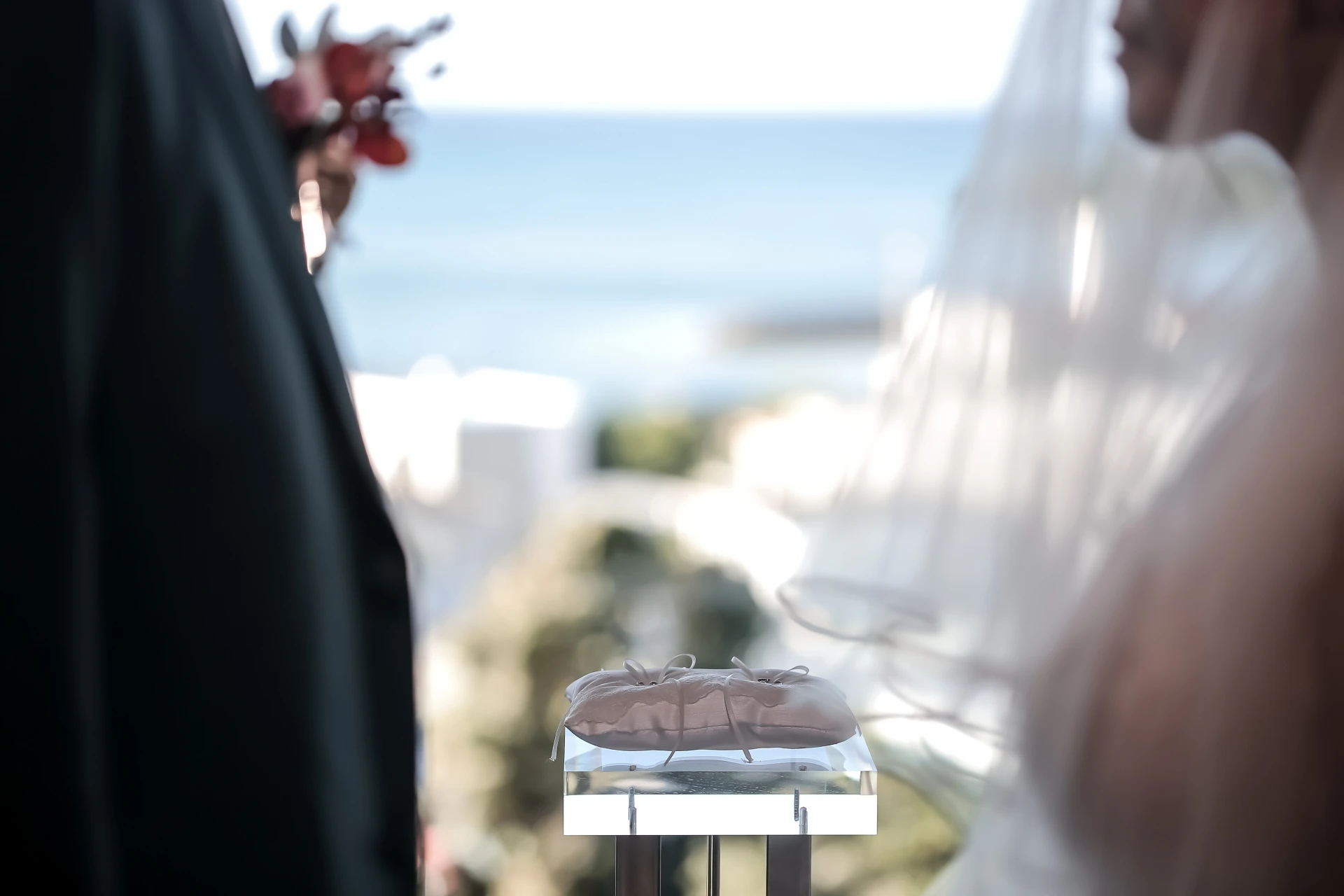
TL;DR – Okinawa Wedding Destination
- – Okinawa: Tropical islands with turquoise seas, relaxed vibe, Ryukyu heritage — perfect alternative to mainland Japan.
- – History: Ryukyu Kingdom influences; weddings evolved from homes (1950s) to glamorous hotel receptions (1980s).
- – Traditions: Yui-no with Awamori, Ryuso/Kariyushi attire, Sanshin music, Kagiyadefu/Eisa/Kachāshī dances.
- – Modern: Smaller guests, higher goshugi (¥10K), punctuality.
- – Tips: Join dancing, casual dress, lower gift amounts.
If you’re thinking about getting married in Japan, the southern island, Okinawa might be on your list. Known for its turquoise seas, tropical weather, and relaxed atmosphere, Okinawa offers a stunning backdrop for weddings. But beyond the scenery, Okinawa—formerly the Ryukyu Kingdom—has a unique culture that also shapes its wedding traditions.
This article introduces the history of Okinawan weddings, how they differ from those on mainland Japan, and a few etiquette tips for guests.
History of Cultural Okinawan Weddings
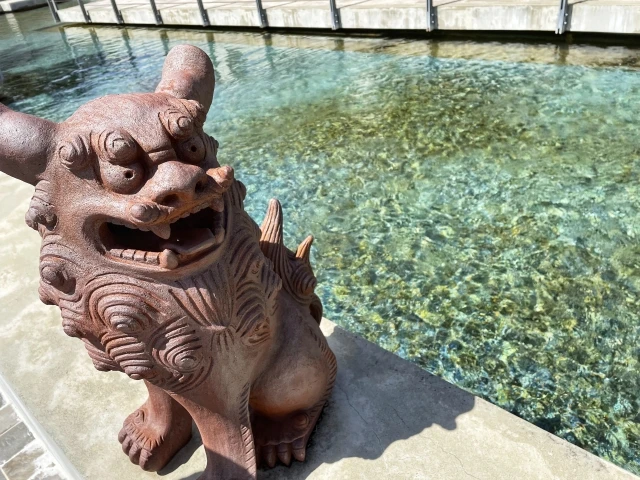
Once known as the Ryukyu Kingdom, Okinawa developed a rich and distinct culture through trade with Southeast Asia, Japan, China, and Korea.
During the Meiji era (1868–1912), Okinawa became part of Japan. After World War II, it was under U.S. administration for several decades before returning to Japan in 1972. Since then, Okinawa’s vibrant traditions have continued to be cherished across Japan.
Timeline of wedding customs:
1950s: Weddings were commonly held at home
1960s: Community centers and halls became usual venues
1975: With the opening of the Ocean Expo Park, many hotels were built and began hosting weddings
1980s: Hotel weddings became the norm, and the reception grew increasingly glamorous
Key on Okinawan Wedding Traditions
Here are some differences between weddings in other places. Between Okinawa. Usually, it’s more casual with more entertainment.
Yui-No Wedding Ceremony
Like the rest of Japan, Okinawa has the Yui-no, a formal engagement ceremony between two families. However, in Okinawa, the groom traditionally brings Awamori, a local distilled spirit, as part of the meeting. Both families share a drink of Awamori to symbolize unity.
Another unique aspect is timing—the ceremony traditionally ends between low tide and before the tide rises.
Wondering what is yuinou? It’s the formal engagement ritual – learn the history and tips for internationals
Ryukyu Bridal Attire
While modern Okinawan couples often wear Western-style suits and dresses, some opt for Ryuso, traditional Okinawan garments, or the more casual Kariyushi wear, similar to Hawaiian shirts. Resort-style attire is also common for destination weddings.
Wondering whether to go for the classic shiromuku or a modern gown? See our full comparison of shiromuku vs modern wedding dress.
Sanshin Music & Kagiyadefu Dance
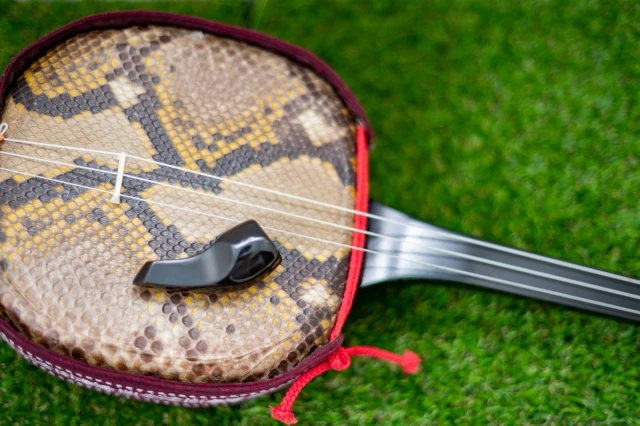
Entertainment is a key part of Okinawan weddings. The Sanshin, a three-stringed traditional instrument, is often played while guests sing along to shima-uta (island songs) and folk music.
A highlight of the reception is the Kagiyadefu, a classical Ryukyuan celebratory song and dance wishing for both families’ prosperity and longevity. It’s typically performed at the start of the reception, sometimes by professional dancers.
Eisa & Kachasi Dance
These are the two main dances performed at most Okinawan weddings. Eisa is a traditional Okinawan dance originally performed as a prayer for the ancestors. Today, it has evolved into a lively performance accompanied by Japanese drums, the sanshin, and energetic chants.
Kachāshī, which means “mix” in the Okinawan language, is the highlight of the celebration. At the climax of the wedding, the bride, groom, and guests of all ages join together to dance, expressing their joy and happiness through cheerful movements and music.
Have there been any Modern Changes?
While Okinawan weddings once differed greatly from those on Japan’s main islands, modernization has brought some changes.
Recent trends include:
Guest numbers: In the past, people called about 400 people. Now it’s usually around 200 to 300.
Gift money: Once it was only 1 dollar, but now it’s 10,000 yen per guest
Punctuality: Okinawans were once known for arriving late, but these days, guests tend to arrive on time
Quick Etiquette Tips for an Okinawan Wedding
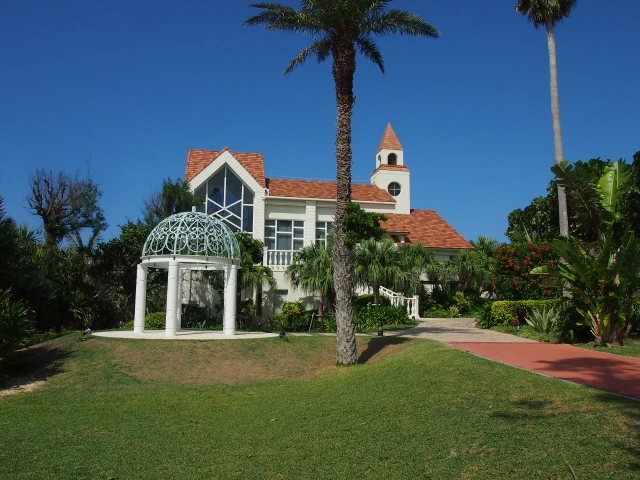
If you’re lucky enough to be invited, keep in mind that Okinawa holds a unique culture and will have a few differences from weddings elsewhere in Japan.
Etiquette tips for an Okinawan wedding:
- Gift Money (Goshugi): In mainland Japan, 30,000 yen is common, but in Okinawa, 10,000 yen is typical.
- Participation: Expect plenty of dancing and entertainment. Guests are encouraged to join in and have fun!
- Dress Code: Feel free to wear Kariyushi wear or even Hawaiian-style attire—formal but comfortable in the island heat.
Conclusion
With its blue seas, warm hospitality, and unique blend of Japanese and Ryukyuan traditions, Okinawa is one of Japan’s most romantic destinations for weddings. Okinawa promises both beauty and unforgettable memories to you.
FAQ – Okinawa Wedding Destination
1) Why choose Okinawa for a destination wedding?
Relaxed atmosphere, stunning beaches, unique Ryukyu culture — tropical yet authentic Japan.
2) How do Okinawan weddings differ from mainland Japan?
More casual/entertainment-focused (dances, music); lower goshugi (¥10K vs ¥30K).
3) What is the Yui-no ceremony in Okinawa?
Formal engagement with Awamori sharing; timed with tides for symbolism.
4) What attire is common for Okinawan weddings?
Western dresses/suits, Ryuso traditional, or Kariyushi (casual resort wear).
5) What entertainment is typical at Okinawan receptions?
Sanshin music, Kagiyadefu (prosperity dance), Eisa, and group Kachāshī dancing.
6) How has Okinawan wedding culture modernized?
Fewer guests (~200–300), higher gifts, on-time arrivals; hotel/resort focus.
7) What gift money (goshugi) should guests give in Okinawa?
¥10,000 typical — lower than mainland.
8) Best time for an Okinawa wedding?
Year-round mild; avoid typhoon season (July–Sept); spring/autumn ideal.
A versatile writer with experience across more than 1,000 articles, skilled in creating engaging, culturally informed content. Having attended multiple Japanese weddings as a guest, Yukino brings firsthand understanding of Japanese customs and aesthetics to her work.
Connect on LinkedIn →