
Budgeting Your Japan Destination Wedding in 2026
A quick overview if you’re skimming this guide for budget ranges, cost-saving tips, and expert planning advice.
- BUDGET RANGES A Japan destination wedding for 20–30 guests typically costs between ¥2.5M (~$17,000 USD) for a simple ceremony and ¥8M+ (~$53,000+ USD) for a luxury bespoke experience.
- WATCH THE PACKAGES Japan’s all-inclusive venue packages only cover entry-level options — the final bill can run 20–50% higher than the initial quote once upgrades are factored in.
- BEAUTY SERVICES Budget ¥200,000–¥400,000 for professional hair, makeup, and kimono dressing — and plan to arrive in Japan early to complete a separate trial day before the wedding.
- TIMING YOUR DATE Shoulder season dates — just 1–2 weeks off peak cherry blossom or autumn leaf season — can unlock better vendor availability, more attentive service, and lower accommodation rates.
- BUDGET FOR EVERYTHING YOURSELF Unlike Western weddings, Japanese venues may factor guest cash gifts (goshugi) into their cost estimates — international couples should plan to cover 100% of costs themselves to avoid financial shortfalls.
Japan has long held a special kind of magic — ancient shrines draped in wisteria, bamboo forests that hush the world into silence, and ryokan inns where time seems to slow. It is little wonder that more international couples are choosing Japan as the backdrop for one of the most significant days of their lives.
But as the dream grows, so too does the complexity of making it a reality, especially when it comes to the budget.
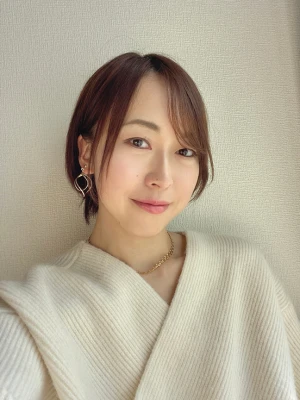
Wako Koshigai has spent over 15 years at the heart of Japan’s wedding industry as a professional hairdresser specialising in traditional Japanese wedding hairstyles and kimono dressing. She has witnessed firsthand the elation — and the financial stress — that destination weddings in Japan can bring.
With 2026 shaping up to be a landmark year for inbound tourism, I interviewed Wako who shares her most candid, experience-driven advice for couples who want to plan a beautiful, authentic Japan wedding without the budget blowing out.
- Section 1: Understanding the Package System
- Section 2: Building Your Realistic Budget
- Section 3: Where to Spend and Where to Save
- Section 4: Hair, Makeup & Attire as a Legacy Investment
- Section 5: Mastering Japanese Wedding Culture
- Section 6: Timing Your Wedding Strategically
- Section 7: Guest Logistics and Hospitality
- Closing: Invest in People, Not Things
Section 1: Understanding the Package System
What ‘All-Inclusive’ Really Means in Japan
One of the first surprises for international couples planning a wedding in Japan is how the package system works — or rather, how it doesn’t. Most venues offer all-in-one packages that appear comprehensive on the surface, but as Wako explains, they almost always cover only the “standard” or “entry-level” options. The beautifully appointed bridal suite shown in the brochure, the lush floral arrangements, the designer dress — these are rarely included in the base price.
The gap between the quoted price and the final invoice can be startling. “When couples choose high-end designer dresses or premium menus, the final cost can easily jump 20 to 50 per cent from the initial estimate,” Wako warns. The key to navigating this, she says, is arriving at the planning table with a clear sense of priorities before ever opening a venue catalogue.
Her advice is to identify your “essential” versus “optional” spending from the outset. For example, a couple might decide that professional hair and makeup are non-negotiable because photographs are permanent, while elaborate guest table centrepieces are a lower priority. Without this kind of intentional focus, it becomes very easy to say yes to every upgrade a venue suggests, and the costs compound quickly.
The Reality of Bring-In Fees
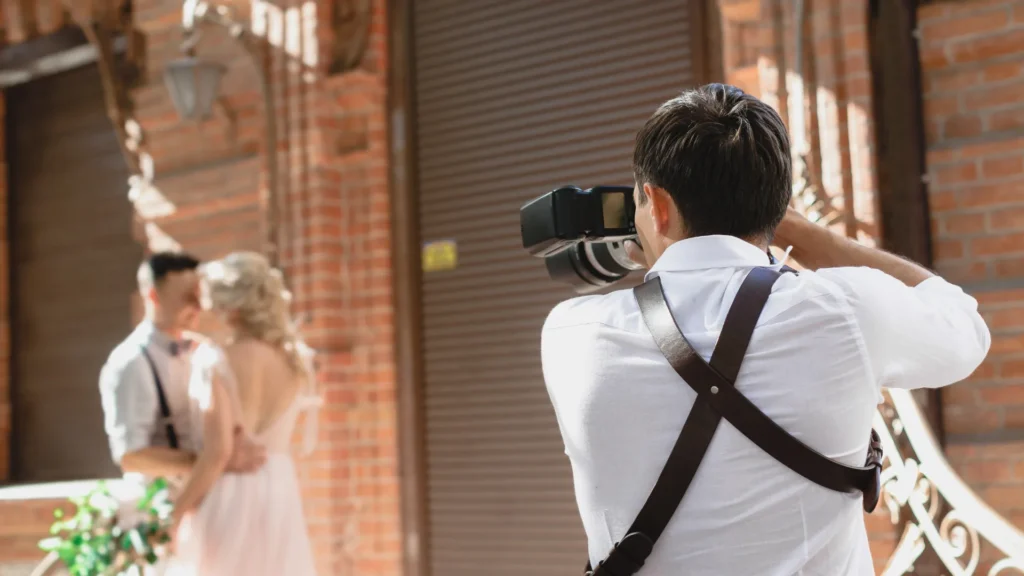
There is another layer of complexity that catches many international couples off guard: the “bring-in fee.” In Japan, if you wish to hire your own photographer, stylist, or any external vendor rather than using the venue’s preferred suppliers, you will almost certainly be charged a fee per item. This is a deeply ingrained aspect of the Japanese wedding industry and one that has no real equivalent in Western wedding culture.
“Before signing any contract, ask for a realistic final price based on the upgrades you actually want,” Wako advises. “If you have a specific stylist or vendor you can’t live without, negotiate the bring-in fees before you commit to the venue.” Couples who approach these conversations proactively, rather than after signing, are far better positioned to manage their budget effectively.
Section 2: Building Your Realistic Budget
What Does a Japan Destination Wedding Actually Cost?
For couples trying to get a handle on the numbers, Wako offers a helpful framework based on three distinct budget tiers for a wedding of 20 to 30 guests in 2026. At the entry level, a Standard wedding — held at a lovely local restaurant or smaller dedicated venue, covering one set of wedding attire, basic hair and makeup, high-quality Japanese cuisine, and simple decorations — would typically run between ¥2.5 million and ¥3.5 million, or approximately $15,000 to $22,000 USD.
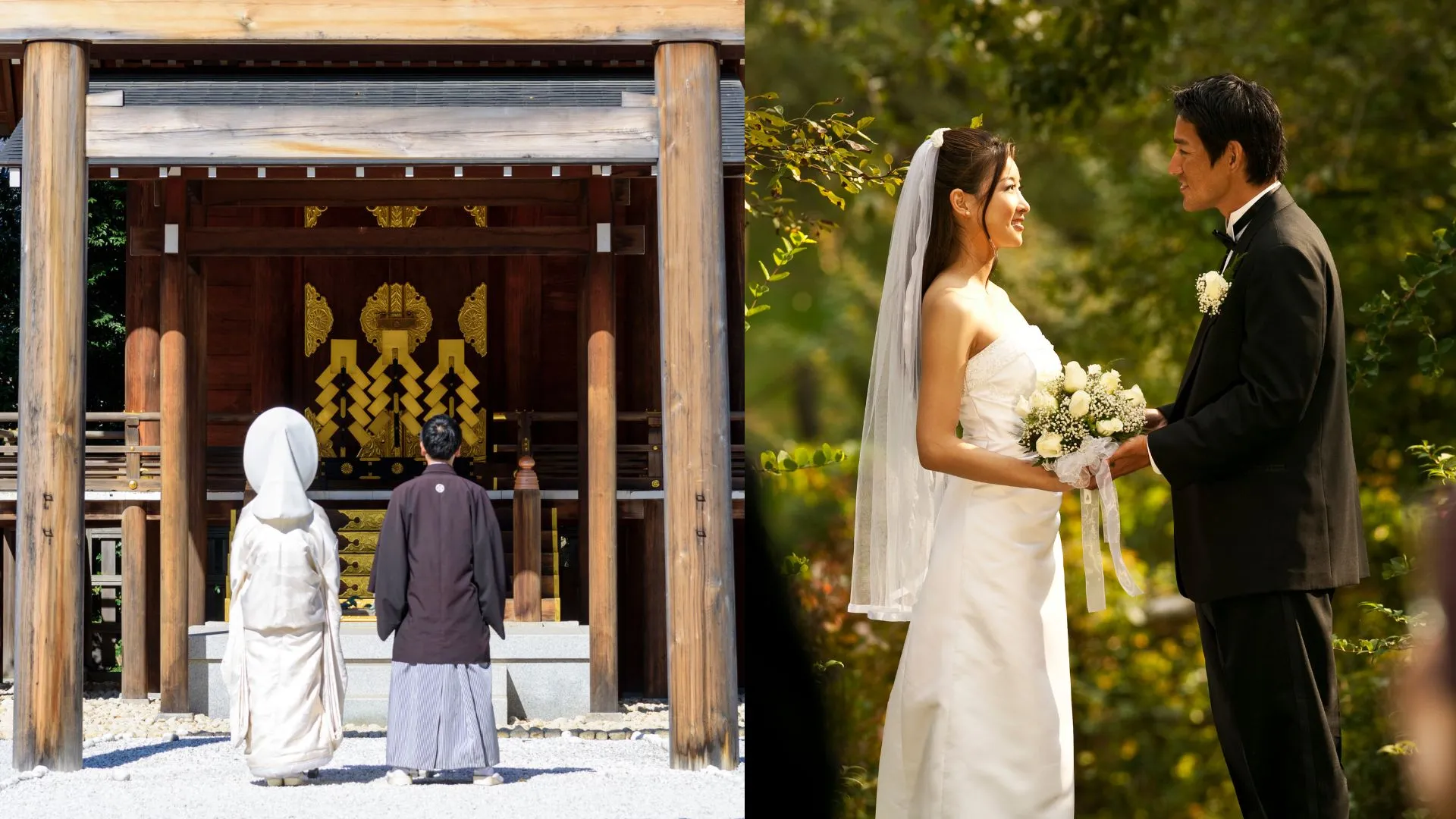
A Premium wedding, the tier most destination couples gravitate toward, involves a ceremony at a top-tier hotel, a luxury traditional ryokan, or a famous Shinto shrine. This range allows for upgraded attire including high-end kimonos, professional photography and videography, curated guest gifts known as hikidemono, and full-day attending service by a professional hair and makeup stylist. The budget for this tier sits between ¥4.5 million and ¥7 million, or roughly $28,000 to $44,000 USD.
At the top end, a Luxury wedding — featuring exclusive buyouts of historical buildings, private dinner cruises on a yakatabune river boat, or full accommodation support for all guests — starts at ¥8 million or approximately $50,000 USD and above. This is for couples who want a completely bespoke, no-compromise experience.
Budgeting for Beauty Services
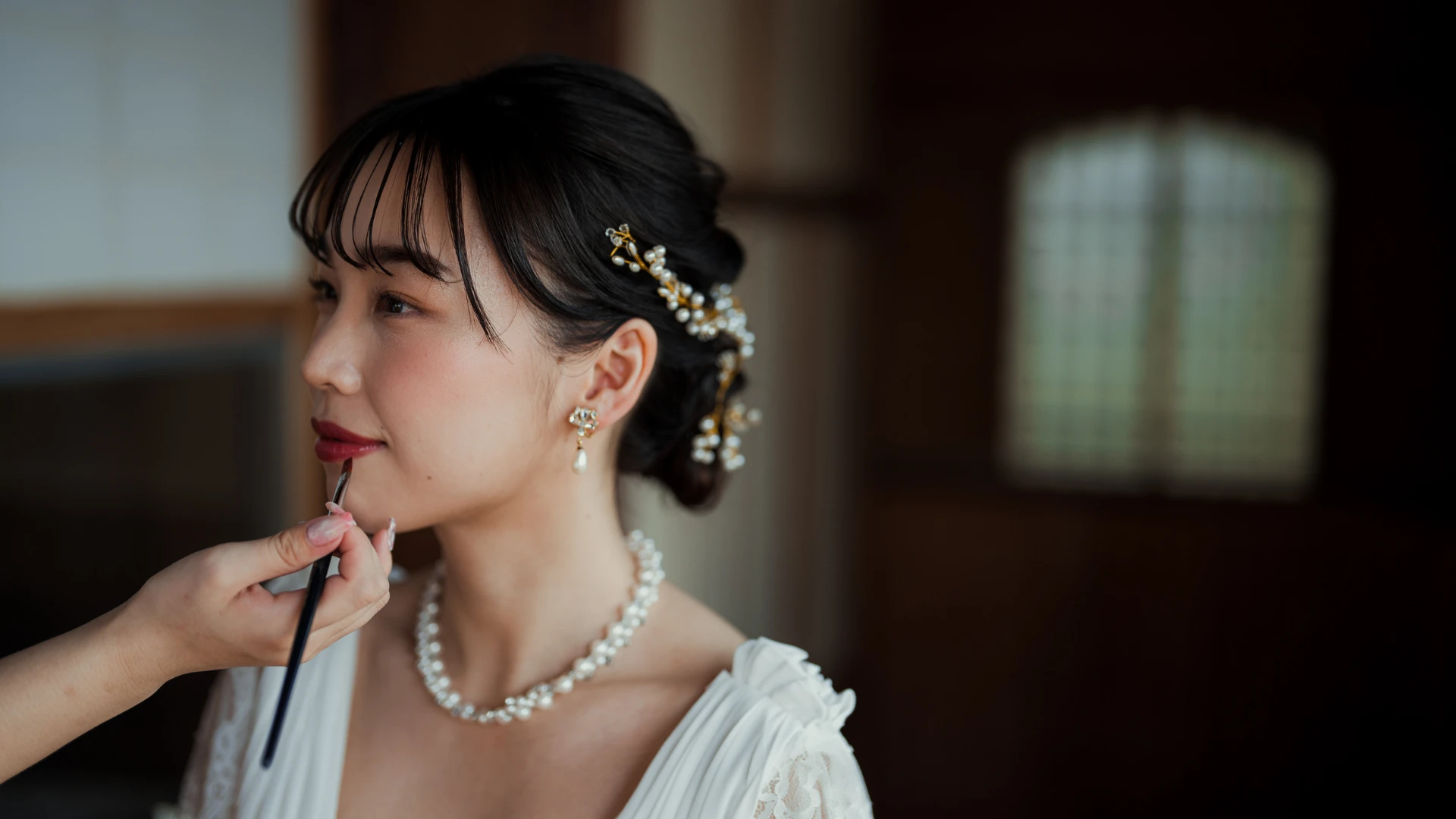
Within any of these tiers, Wako recommends couples set aside between ¥200,000 and ¥400,000 — approximately $1,200 to $2,500 USD — specifically for high-quality hair, makeup, and kimono dressing services. There is an important logistical detail here that many international couples overlook: hair and makeup trials are conducted on a completely separate day before the wedding, not on the morning of the event itself, and carry their own cost of around ¥30,000 to ¥50,000.
This means couples should plan to arrive in Japan several days before the wedding to accommodate the trial. It is not merely an optional extra — in Japan’s highly detail-oriented wedding culture, the trial is how the stylist and bride arrive at a shared vision for the final look.
Planning to Cover 100% of Costs Yourself
One of the most important financial realities Wako flags is the cultural gap around goshugi, the Japanese custom of guests bringing cash gifts to a wedding. In Japan, these gifts are so standard that venues sometimes factor them into their financial projections when quoting couples. International guests, however, are already investing significantly in flights and accommodation and will not typically bring cash gifts in the Japanese tradition.
“It is vital for your 2026 budget planning not to rely on these gifts as a source of income,” Wako says. “The key is to adopt a hosting mindset, where you plan to cover 100 per cent of the wedding costs with your own budget.” Misunderstanding this cultural nuance has caused genuine financial tension for some couples with their Japanese venues, and it is entirely avoidable with the right preparation.
For a deeper dive into the customs and etiquette surrounding cash gifts at Japanese weddings, read our guide to goshugi and shugi bukuro.
Section 3: Where to Spend and Where to Save
The Upgrades That Are Genuinely Worth It
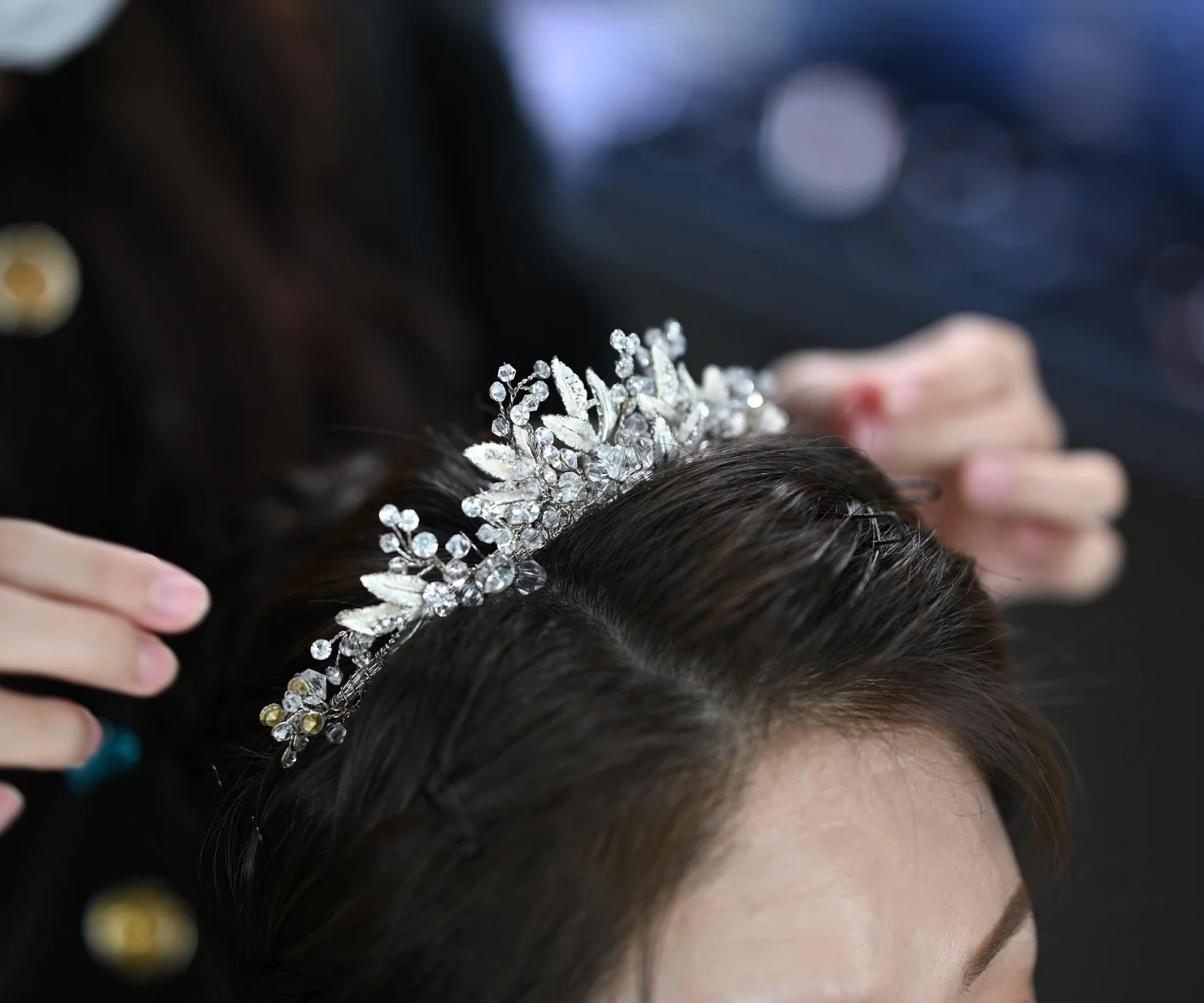
With years of experience watching weddings unfold from the bridal suite to the final toast, Wako has developed a clear sense of where a couple’s money delivers the most lasting value. At the top of her list is personal styling and the full-day “attending” service.
“This is the single biggest factor for photo quality,” she says. “Having a professional by your side to fix a stray hair or adjust your dress train between shots makes every photo look like a masterpiece. It’s an investment in your lifelong memories.”
The main table flowers are another area worth prioritising. Since almost every photograph of the couple will feature this backdrop, a lush floral arrangement here elevates the entire visual story of the wedding album.
Quality food is the third pillar of worthwhile spending: a premium Japanese menu is the most authentic way to honour guests who have travelled far to celebrate with you, and it forms the emotional core of the reception experience.
The Hidden Costs That Catch Couples Off Guard
On the other side of the ledger, Wako identifies several areas where couples consistently find themselves surprised by costs not made clear in the initial contract.
The “quick change,” or oiro-naoshi (お色直し), is a classic example. Changing outfits during a Japanese wedding is a beloved tradition, but it triggers a cascade of sub-fees: a hair and makeup change fee to match the new look, a re-dressing fee for the technical work involved in changing into a kimono, and sometimes even a waiting room fee for the time the change requires. These invisible technical costs can accumulate significantly.
Couples should also watch for attire upgrade costs — selecting a designer or contemporary dress can add ¥100,000 to ¥300,000 per item above the base estimate — and photo data access fees. It may seem extraordinary, but many venues charge a substantial separate fee, sometimes exceeding ¥100,000, simply to receive the high-resolution digital files of your own wedding photographs.
Standard package floral arrangements are also typically minimal, and achieving the “lush” look seen in brochures often requires doubling or tripling the floral budget.
Smart Savings Without Sacrificing Style
Fortunately, there are meaningful savings to be found in less visible areas. Guest table centrepieces, for instance, can be kept very minimal without guests feeling the wedding is understated — especially if the couple’s main table is beautifully appointed.
Venue-provided paper items such as menus and name cards are often overpriced and impersonal; bringing custom-designed stationery is frequently cheaper and photographs more elegantly in detail shots.
And when it comes to the celebratory toast, a high-quality sparkling wine is indistinguishable from expensive Champagne in both photographs and atmosphere.
Section 4: Hair, Makeup & Attire as a Legacy Investment
The Japanese Concept of ‘Attending’
In many Western countries, it is not uncommon for a bride to buy her dress online and enlist a talented friend for hair and makeup. In Japan, this approach would be considered, at best, a significant missed opportunity.
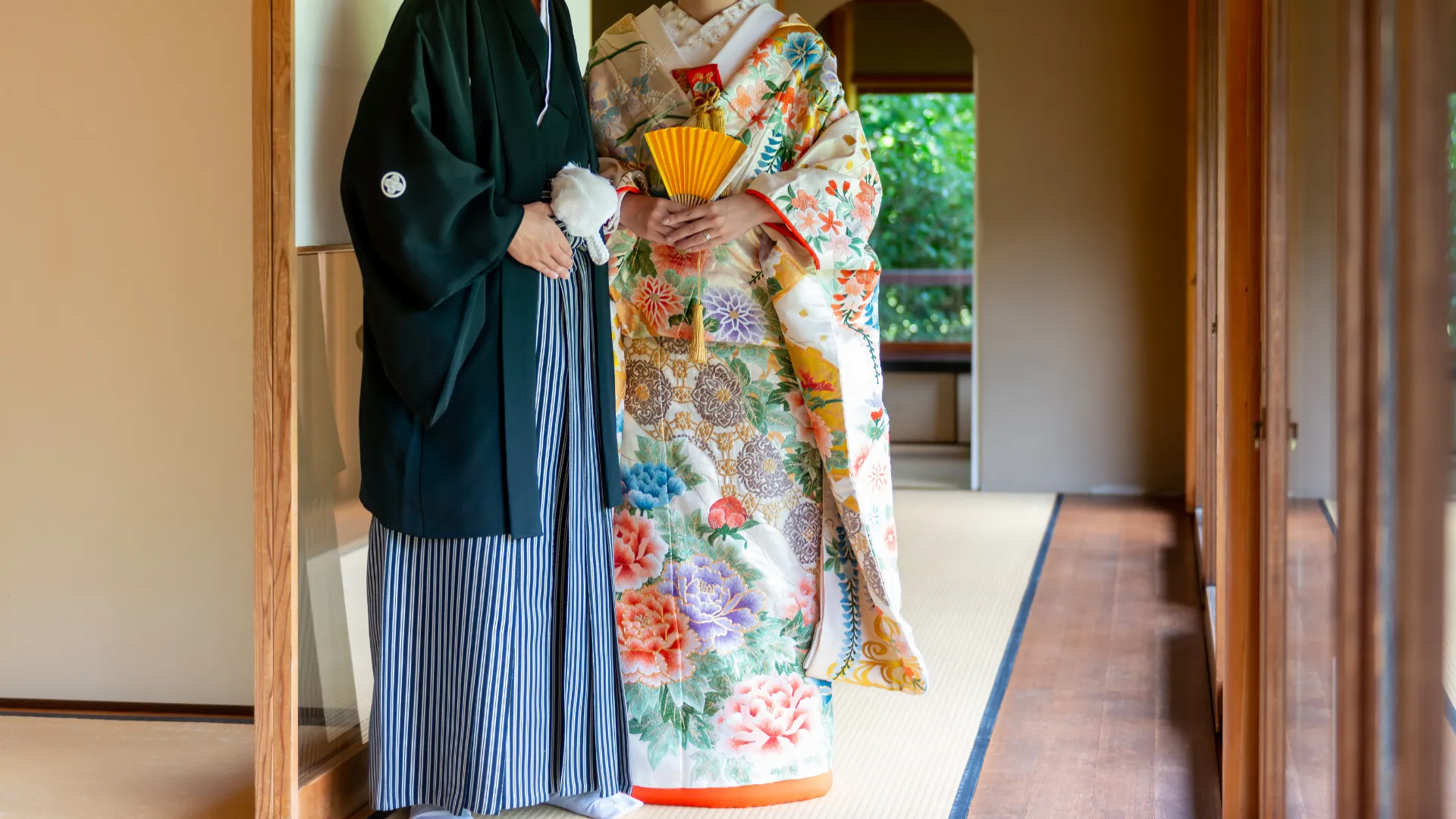
The concept of kaizoe (介添え) — often translated as “attending” — describes the constant, devoted personal care that a Japanese wedding professional provides throughout the entire day. It goes far beyond applying makeup in the morning.
“From managing the flow of a long dress train during a walk to fixing a single strand of hair caught in the breeze, this level of attending ensures that you look polished and elegant in every single shot,” Wako explains.
A skilled attending stylist is constantly aware of how the bride looks from every angle, adjusting in real time between scenes so that no photograph is ever less than perfect.
Why Local Expertise Is Non-Negotiable
Japan’s climate and the technical demands of traditional attire make specialist knowledge essential. The country’s humidity, particularly in the warmer months, presents real challenges for maintaining hair and makeup across a full wedding day.
The structural complexity of kimono dressing — involving multiple layers of fabric bound with precise obi techniques — requires a stylist with years of dedicated training to execute correctly and to keep comfortable across many hours of wear.
Wako’s message on this point is unambiguous: “Do not compromise on the people who are responsible for how you will look in your memories forever.” The photographs from a destination wedding in Japan will be viewed for decades.
The professional team responsible for those images — both the photographer and the stylists — represents perhaps the highest-value investment a couple can make.
To find out more about Japanese wedding in more detail, read our guide to choosing between a shiromuku, iro uchikake, and a modern wedding dress.
Section 5: Mastering Japanese Wedding Culture
Goshugi, Hikidemono, and the Art of Hosting
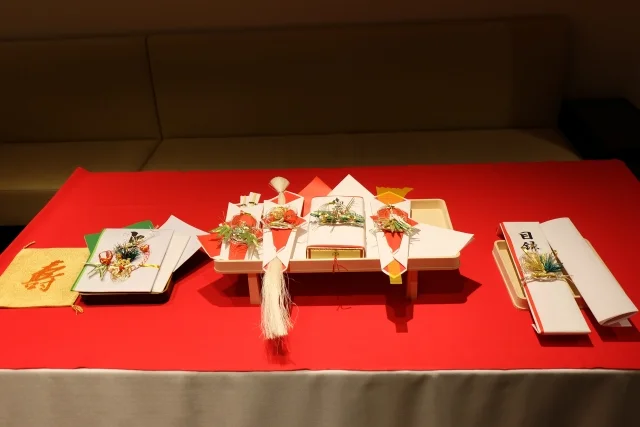
Navigating Japanese wedding culture with confidence requires understanding a few key customs that differ markedly from Western traditions. The goshugi system (ご祝儀), discussed above in the context of budgeting, is the first. But equally important is hikidemono (引き出物) — the practice of the couple giving high-quality, thoughtfully chosen gifts to their guests as a sincere expression of gratitude. This is essentially the inverse of the Western wedding registry, where guests purchase gifts for the couple.
For a destination wedding, Wako recommends investing the hikidemono budget in artisanal Japanese items that function as genuine souvenirs rather than generic favours.
Handcrafted, personalised chopsticks, premium folding fans, and high-quality tea sets are ideal: they are beautiful, functional, and carry the spirit of Japan home with your guests long after the celebration has ended. “These aren’t just gifts,” Wako notes. “They are functional souvenirs that allow your guests to relive the magic of your wedding back home.”
The Hosting Mindset
Underlying all of Wako’s cultural advice is a single, organising principle: the hosting mindset. Rather than approaching a destination wedding as a shared financial endeavour where guest gifts help offset costs, couples should plan as though they are hosting an experience they are entirely responsible for funding.
This is not only more aligned with Japanese cultural values of hospitality and generosity — it is also the most practical way to avoid surprises and contractual misunderstandings with venues.
Section 6: Timing Your Wedding Strategically
The Peak Season Premium
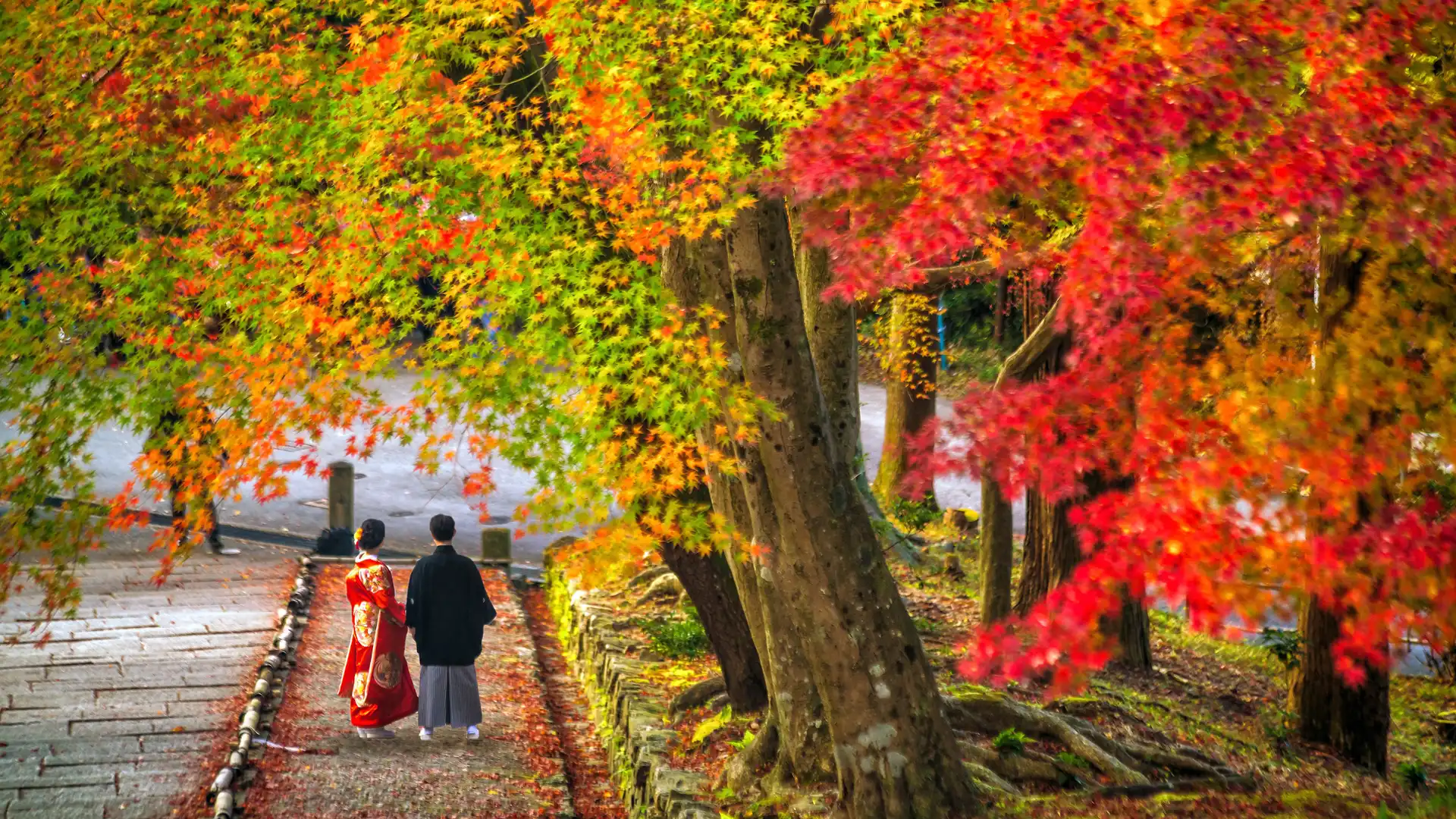
Japan’s extraordinary seasonal beauty is one of its greatest wedding assets and, simultaneously, one of its most significant budget pressures. Cherry blossom season in late March and the golden autumn leaves of November are among the most sought-after settings in the world for wedding photography.
They are also, unsurprisingly, the most expensive and competitive times to book. Venues fill months in advance, top photographers are reserved early, and accommodation prices peak sharply.
Timing is key — read our full guide on when to plan your Japan wedding for sakura, foliage, or snow backdrops.
The One-Week Shift Strategy
Wako’s advice here is both simple and transformative: shift the date by just one to two weeks. A wedding in very early April or mid-November sits in what she calls the “shoulder season” — still beautiful, still seasonal, but without the premium pricing or the logistical chaos of peak demand.
“By shifting your date just one to two weeks away from the absolute peak, you can often find much better rates for accommodation,” she explains. “More importantly, it becomes significantly easier to book top-tier photographers and hair stylists who are usually reserved months in advance for the peak dates.”
From a service quality perspective, there is another compelling argument for the shoulder season. During peak periods, venues are at maximum capacity and staff are stretched. By choosing a slightly less congested date, couples benefit from what Wako describes as “time luxury” — staff who can give more focused attention, a more relaxed atmosphere, and ultimately higher quality in both service and photography.
The savings from a shoulder season booking can then be redirected toward the upgrades that truly matter: a better menu, the exact stylist the couple wants, or a more meaningful guest experience.
Section 7: Guest Logistics and Hospitality
The Question of Who Pays for What
Few conversations in destination wedding planning are more sensitive than the question of guest accommodation and travel costs. Wako is clear that there is no universal right answer — it depends entirely on the couple’s circumstances and the expectations they set. What matters most is that the decision is made early and communicated clearly, so that guests can plan without uncertainty.
Many couples choose not to cover guest travel or accommodation costs, which is entirely reasonable given the significant investment already being made in the wedding itself.
In these cases, Wako suggests communicating the message “Your presence is our gift” to guests, making it clear that no further gifts or financial contributions are expected. This is both generous in spirit and practically useful in managing guest expectations around the goshugi customs discussed earlier.
Omotenashi (おもてなし): Hospitality Through Information
Even if a couple is not funding guest accommodation, there is a meaningful form of hospitality available to them: the gift of information.
Navigating Japanese booking platforms and hotel options can be genuinely stressful for international guests who may not read Japanese or understand the local geography.
A carefully curated list of recommended accommodation at various price points — from luxury options to comfortable budget alternatives, all conveniently located near the venue — is an act of omotenashi, the Japanese spirit of wholehearted hospitality.
With Japan’s tourism numbers continuing to rise in 2026, Wako also recommends that couples consider pre-arranging a “room block” at their wedding hotel for the closest family members.
With popular properties filling up well in advance, securing a reserved allocation of rooms ensures that the people who matter most will be nearby, and makes group transportation to and from the venue considerably simpler to coordinate.
Closing: Invest in People, Not Things
If there is a single thread running through all of Wako Koshigai’s advice, it is this: the most valuable investments in a Japan destination wedding are not the decorations, the designer dress, or the premium Champagne.
They are the people — the skilled professionals whose expertise transforms a beautiful venue into a truly unforgettable experience.
Japan’s wedding industry rewards couples who come prepared: who understand the package system before they sign, who have identified their top priorities before they open the catalogue, who have budgeted for the full hosting experience rather than relying on gift income.
Couples who do this homework arrive at the altar relaxed, and leave with photographs that will move them for the rest of their lives.
“Your guests are investing a lot to celebrate with you,” Wako reflects. “Providing clear information and genuine logistical support is just as valuable as a physical gift. It ensures your guests arrive relaxed and ready to celebrate — and that is the best possible foundation for the day you have always imagined.”
Key questions to ask before signing your venue contract
Ask your venue these six questions before committing — the answers will protect your budget and prevent surprises.
FAQ – Budgeting Your Japan Destination Wedding in 2026
1) How much does a destination wedding in Japan cost in 2026?
Costs range from approximately ¥2.5M–¥3.5M (~$17,000–$23,000 USD) for a simple ceremony at a local restaurant or boutique venue, up to ¥8M+ (~$53,000+ USD) for a fully bespoke luxury experience at a private historical venue or with full guest accommodation support — for a wedding of 20–30 guests.
2) What is typically included in a Japan wedding package?
Most venue packages only cover the standard or entry-level options — basic attire, minimal florals, and a set menu. Upgrades like designer dresses, premium food, professional photography, and additional decoration are almost always charged separately and can add 20–50% to the original quote.
3) Do we need to hire a professional hair and makeup stylist for a Japan wedding?
Strongly recommended, especially for outdoor shoots or traditional kimono attire. Japanese wedding stylists provide a full-day “attending” service, staying by your side throughout the day to ensure you look perfect in every photograph. Budget ¥200,000–¥400,000 for these services, plus a separate trial day before the wedding.
4) What are the hidden costs in a Japan destination wedding?
The most common surprises include:
- Outfit change sub-fees — hair restyling, re-dressing, and waiting room fees charged separately
- Photo data access fees — a separate charge just to receive your own high-resolution files
- Attire upgrades — ¥100,000–¥300,000 per item above the base package
- Florals — standard packages are minimal; achieving a lush look often means doubling or tripling the floral budget
5) What is goshugi and does it affect our budget?
Goshugi is the Japanese tradition of guests bringing cash gifts to a wedding. Japanese venues sometimes factor this income into their cost projections. Since most international guests won’t follow this custom, couples should plan to cover 100% of wedding costs from their own budget to avoid financial shortfalls or venue misunderstandings.
6) When is the best time of year to get married in Japan?
Cherry blossom season (late March) and autumn leaves (November) are the most popular — and most expensive — times to marry in Japan. Shifting your date just 1–2 weeks into the shoulder season offers similar scenery, better vendor availability, lower accommodation rates, and more attentive service from venue staff.
About the Contributor
Wako Koshigai is a professional hairdresser with over 15 years of experience specialising in traditional Japanese wedding hairstyles and kimono dressing. With deep knowledge of Japan’s wedding culture and trends, she has worked with both Japanese and international couples across the country’s most celebrated venues and shrine settings.