TL;DR – Best Time to Get Married in Japan by Season
- Spring (March–April) – Most romantic & popular thanks to cherry blossoms (sakura). Dreamy photos and new-beginnings vibes, but book early and expect higher prices.
- Summer – Vibrant green landscapes, lakeside/mountain venues, and often more affordable. Perfect for lively celebrations, but hot and humid.
- Autumn (October–November) – Stunning red & gold foliage, mild weather, and reliable conditions. A top favorite for rich colors and comfortable outdoor ceremonies.
- Winter (December–February) – Serene, magical, and intimate with snowy backdrops (especially Hokkaido or Shirakawa-go). Least crowded and most budget-friendly – ideal for cozy, exclusive weddings.
Japan’s four distinct seasons are more than just weather changes—they are living elements of culture, symbolism, and beauty that have shaped weddings for centuries. For international couples dreaming of a Japanese destination wedding, no other country offers such a poetic alignment between nature and celebration.
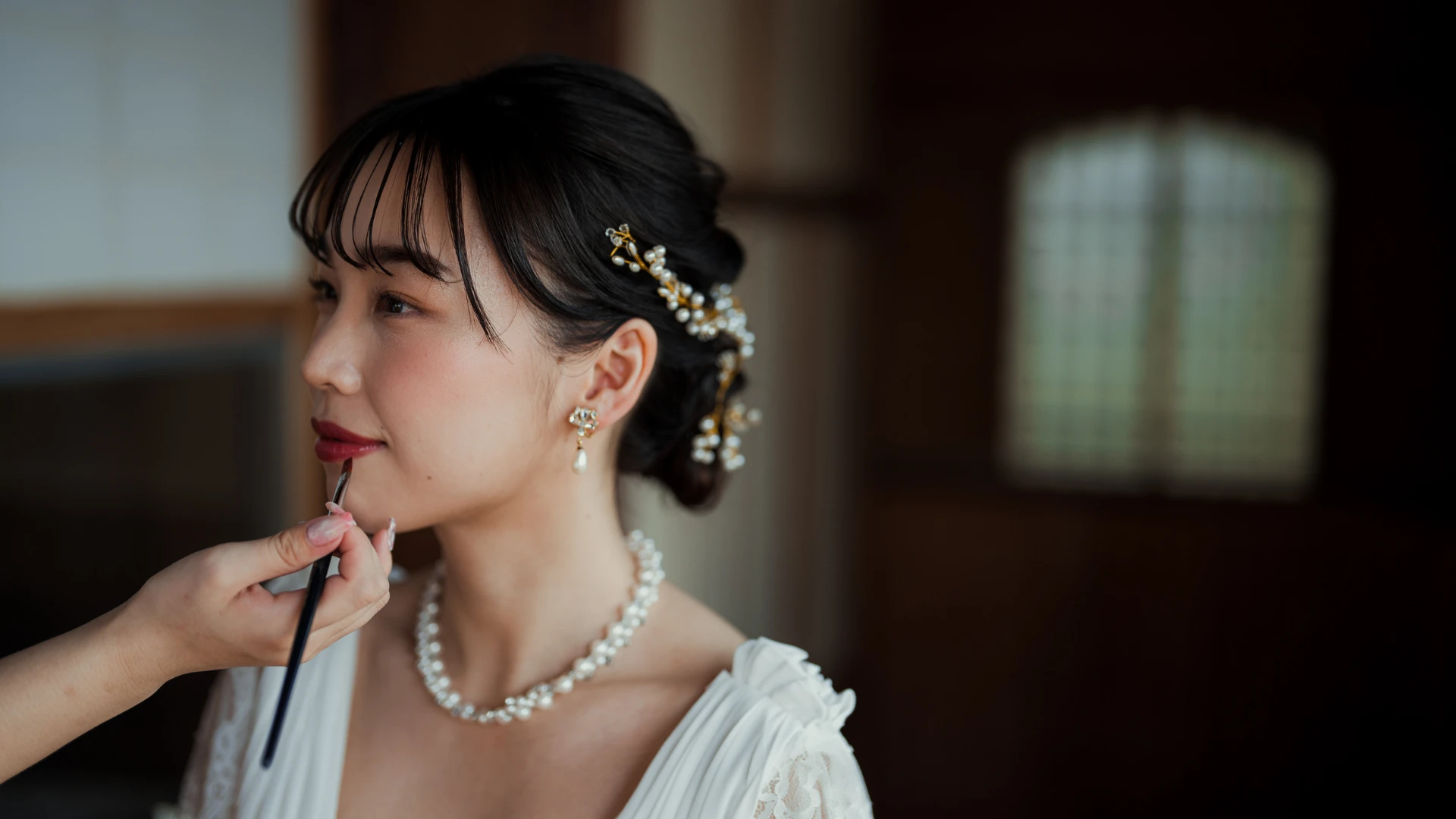
Wako Koshigai, a seasoned professional hairdresser with over 15 years of experience specialising in traditional Japanese wedding hairstyles and kimono dressing, has seen first-hand how each season transforms a wedding into something truly unforgettable.
“Japan’s seasons are not just backgrounds—they are part of the story,” Wako explains. “Each one brings its own symbolism, colours, and atmosphere that make the day feel deeply meaningful.”
But from the delicate pink of cherry blossoms to the crisp white of snow, the choice of season becomes one of the most important decisions couples make.
But which season truly stands out as the best?
The answer, as Wako shares, depends on what kind of experience the couple is seeking.
Spring: The Romance of Cherry Blossoms and New Beginnings
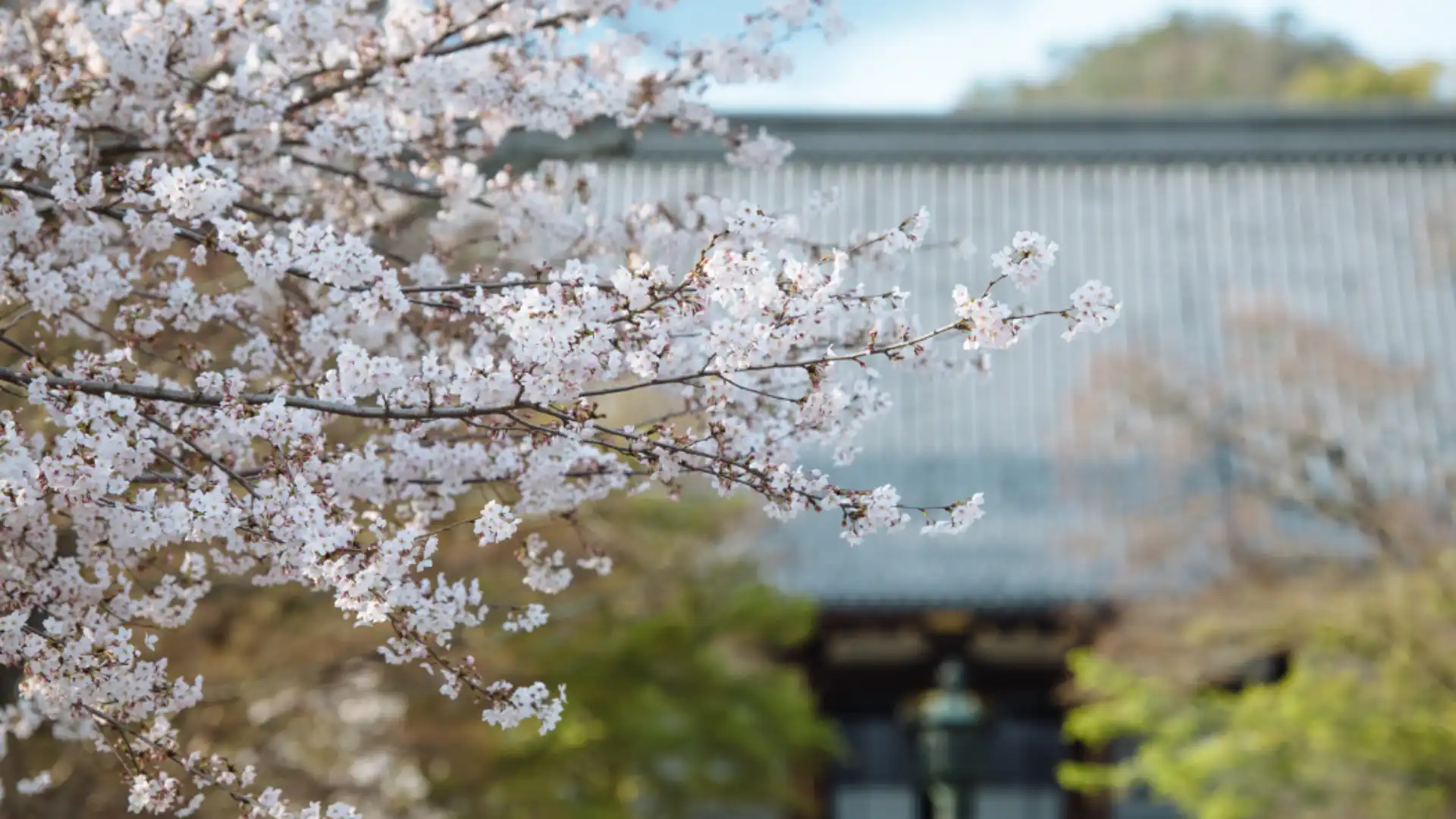
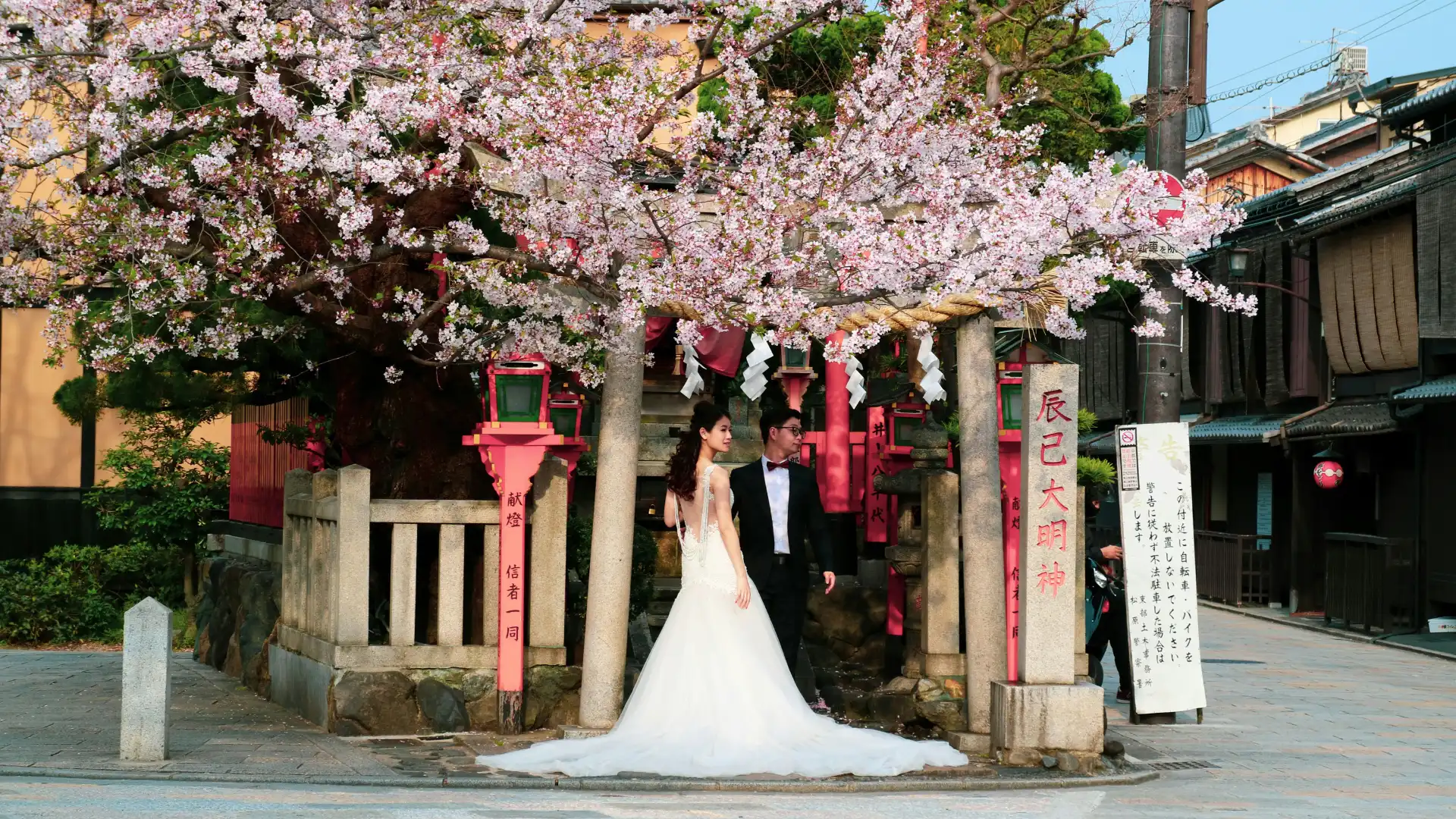
Spring is often the first season that comes to mind when people think of weddings in Japan, and for good reason. The fleeting beauty of cherry blossoms (sakura) has long symbolised renewal, transience, and the preciousness of life—ideas that resonate deeply with the promise of marriage.
Wako describes the magic of a sakura wedding as something almost ethereal. Ceremonies held under blooming trees, with soft pink accents throughout the venue, create a romantic and poetic setting. Outdoor photography sessions become instant heirlooms, capturing couples surrounded by petals drifting like gentle snow.
“Spring weddings feel like a celebration of new beginnings,” Wako says. “The sakura remind us that life is short and beautiful, so we should cherish every moment together.”
For international couples, the season offers a perfect blend of tradition and accessibility. Many shrines provide English-speaking services, and sakura motifs can be woven into invitations, table decorations, and even desserts. The pastel hues and mild weather make it an ideal choice for those who want a light, dreamy atmosphere.
| Pros | Cons |
|---|---|
|
|
Summer: Vibrant, Refreshing Celebrations Amid Lush Greenery
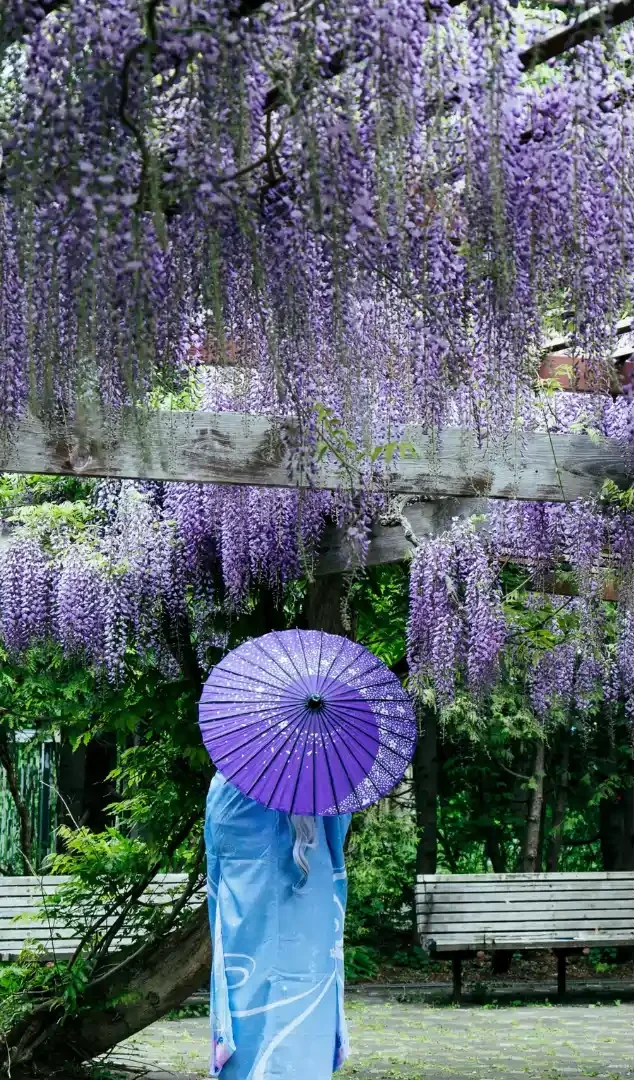
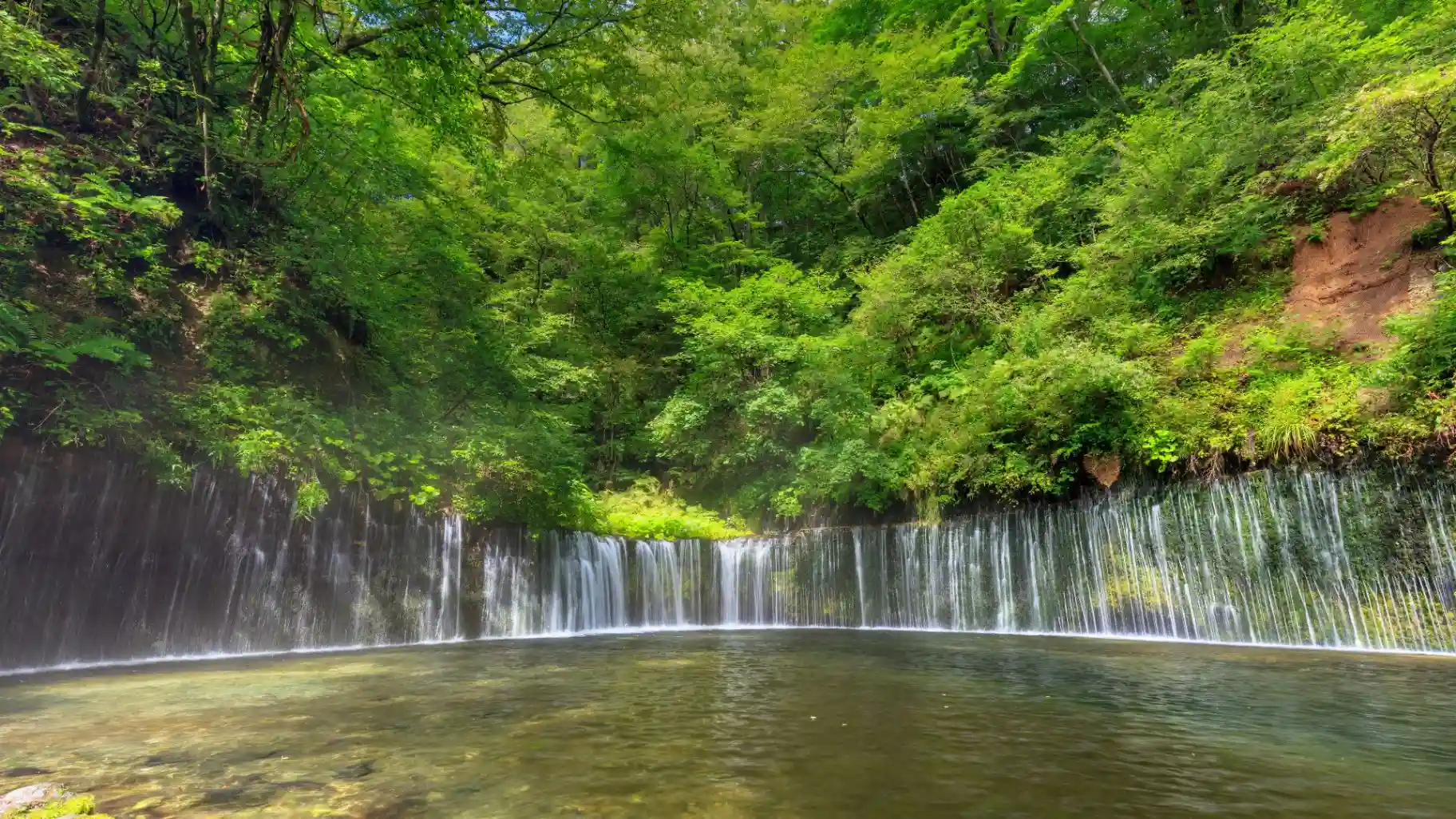
Summer weddings in Japan embrace the outdoors with confidence. While the heat and humidity can be intense, venues near lakes, rivers, or in cooler mountain areas such as Karuizawa turn the season into an advantage. Lush greenery and blooming wisteria provide a fresh, vibrant canvas.
Wako highlights how practical touches make summer weddings enjoyable for everyone. Traditional Japanese parasols or fans not only add cultural charm but also keep guests comfortable. Seasonal menus featuring chilled soba, fresh sushi, and ripe fruits bring a light, refreshing feel to the reception.
“The summer vibe is lively and festive,” Wako notes. “It’s about celebrating with energy and cool elegance.”
For international couples, summer offers a chance to experience Japan’s more relaxed side, with ceremonies at scenic riverside shrines or in Kyoto’s gardens. The season suits couples who prefer a bright, joyful celebration rather than a hushed, intimate one.
| Pros | Cons |
|---|---|
|
|
Autumn: A Symphony of Colours and Mild Weather
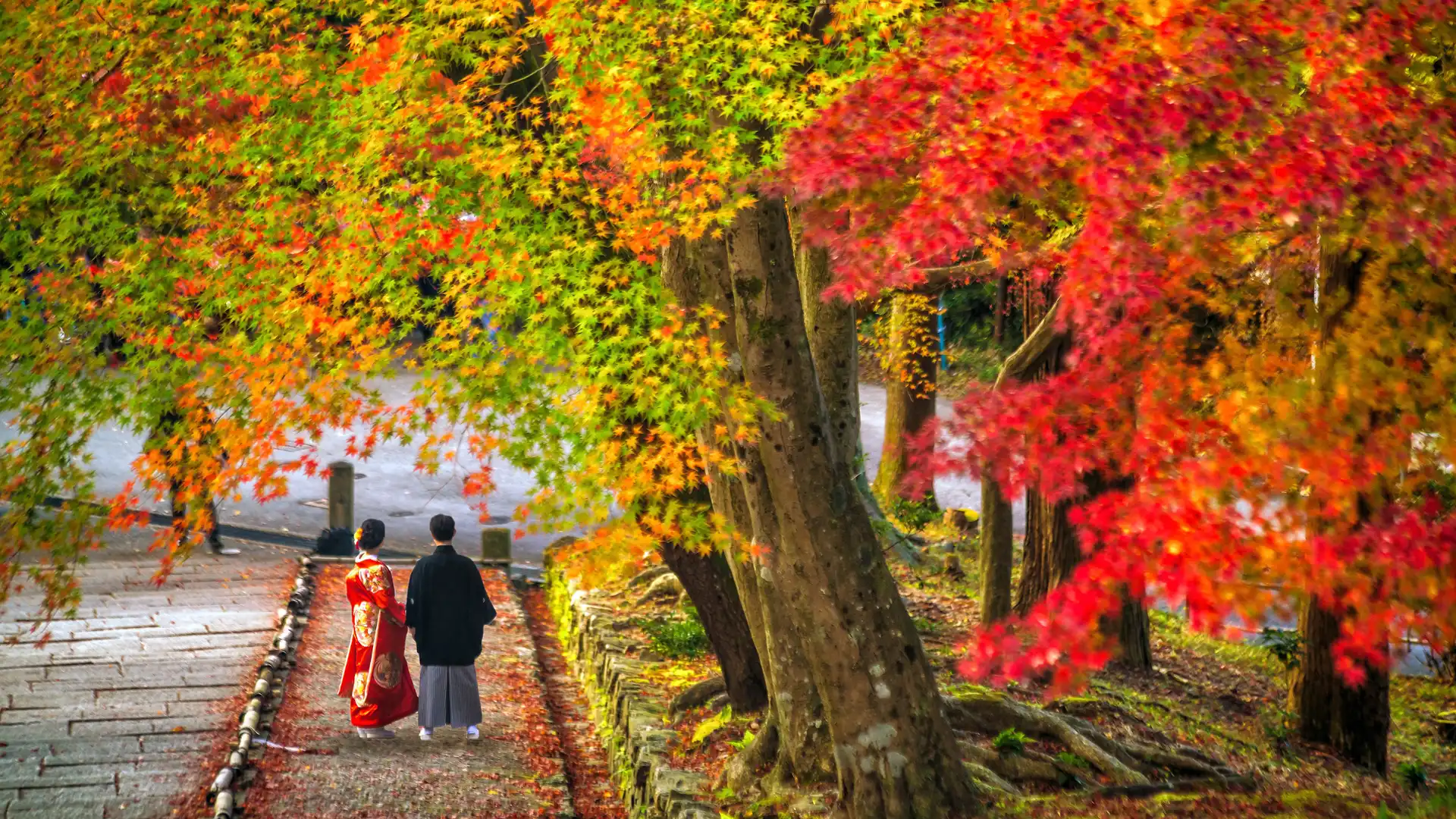
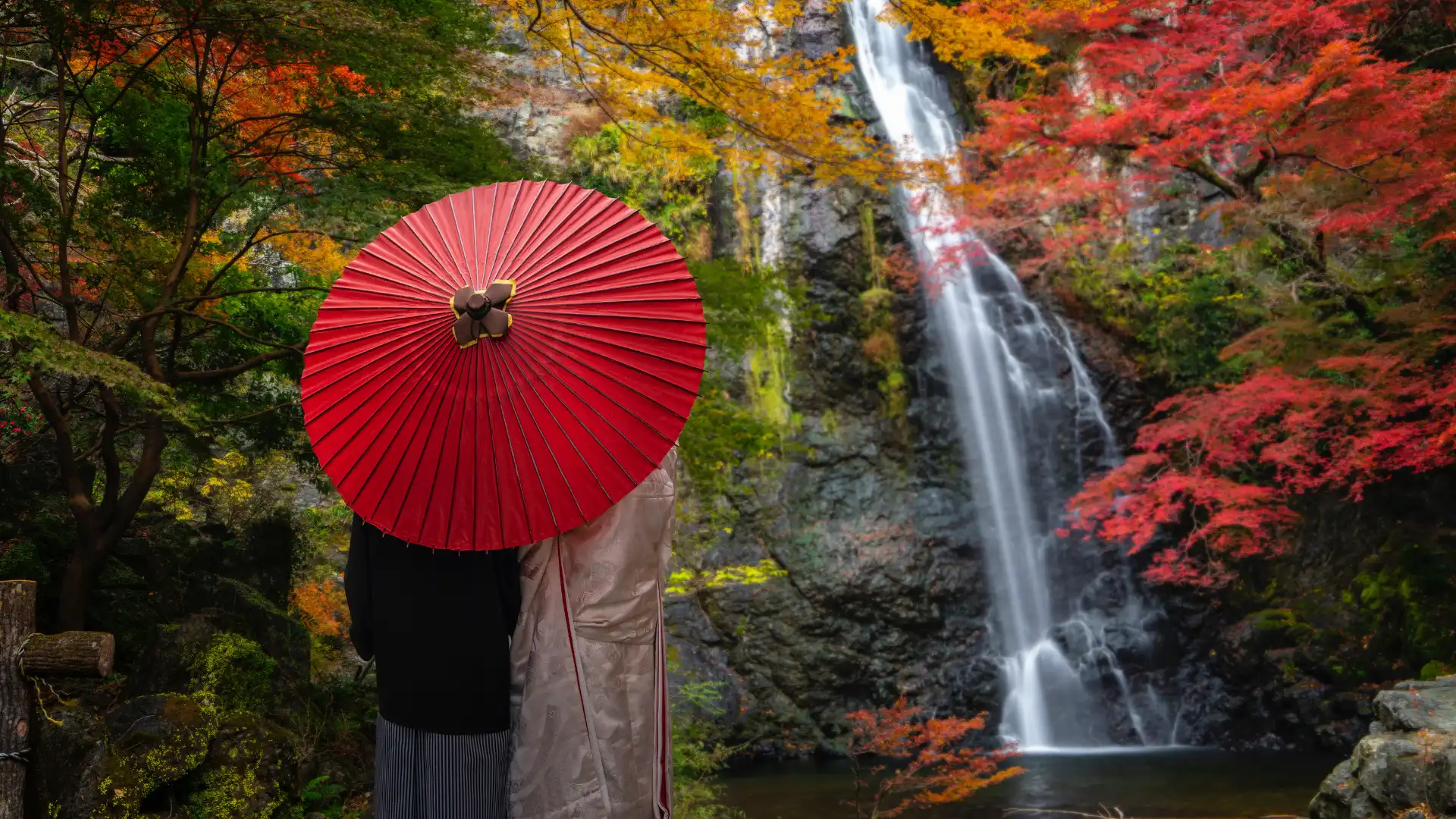
Autumn consistently ranks as one of the most popular seasons for weddings in Japan, and it is easy to see why. The vivid reds, oranges, and yellows of maple leaves (momiji) create a stunning natural backdrop, while the milder temperatures make outdoor ceremonies comfortable.
Wako loves how autumn allows for rich, earthy tones in both decor and attire. Brides can choose kimono in warm shades that harmonise with the foliage, and photography sessions in temple gardens or mountain paths become breathtaking.
“Autumn is the season of abundance,” Wako reflects. “The colours are so rich, and the weather is perfect for long, relaxed celebrations.“
Menus featuring chestnuts, mushrooms, and persimmons add seasonal depth to the feast. For international couples, autumn delivers a culturally immersive experience without the crowds of spring or the heat of summer.
| Pros | Cons |
|---|---|
|
|
Winter: Serene Elegance and Magical Snowy Backdrops
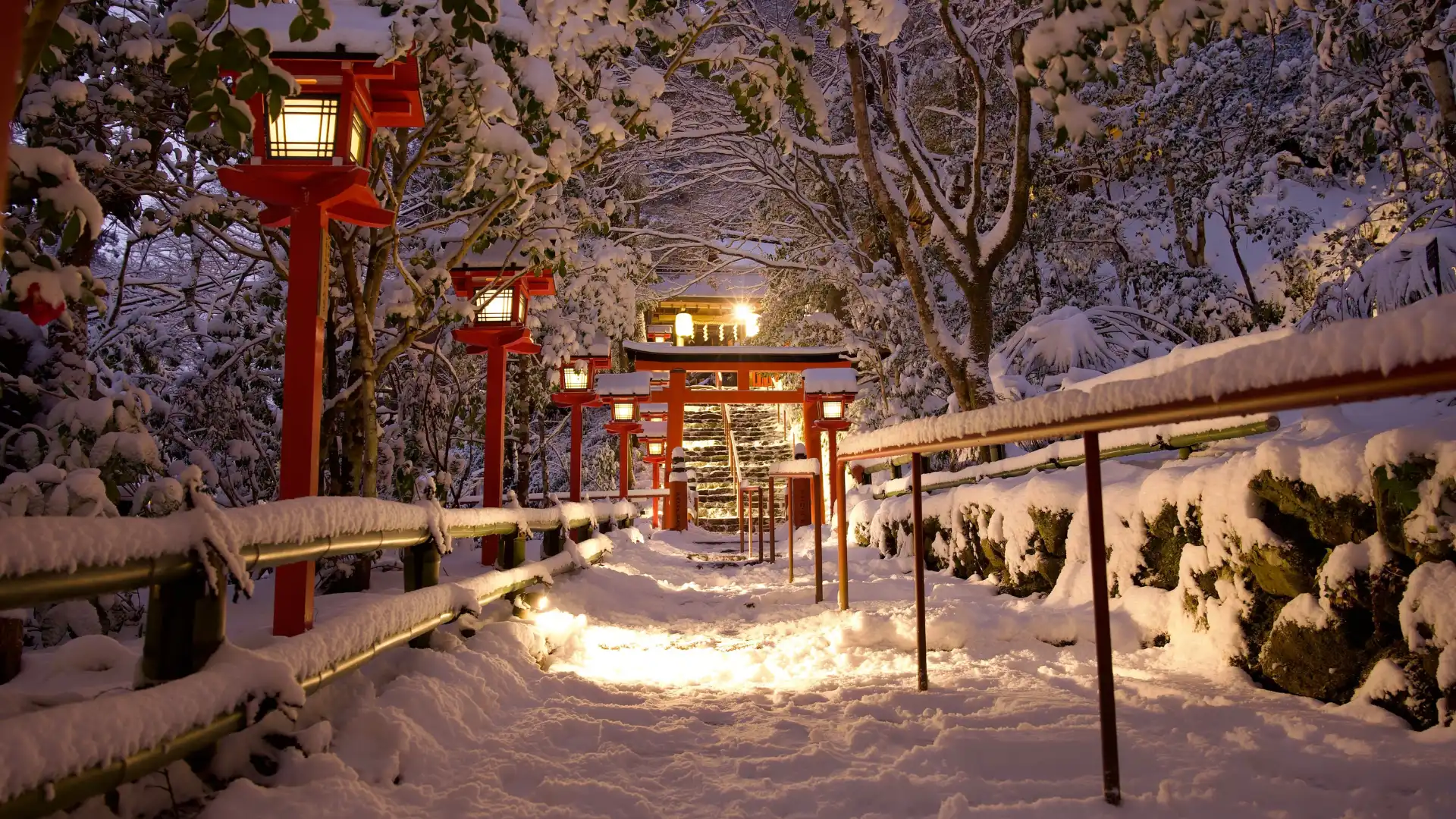
Winter weddings in Japan offer a quiet, intimate charm that feels almost otherworldly. Snow-covered landscapes transform shrines and historic villages into fairytale settings, while indoor venues glow with candlelight and soft lanterns.
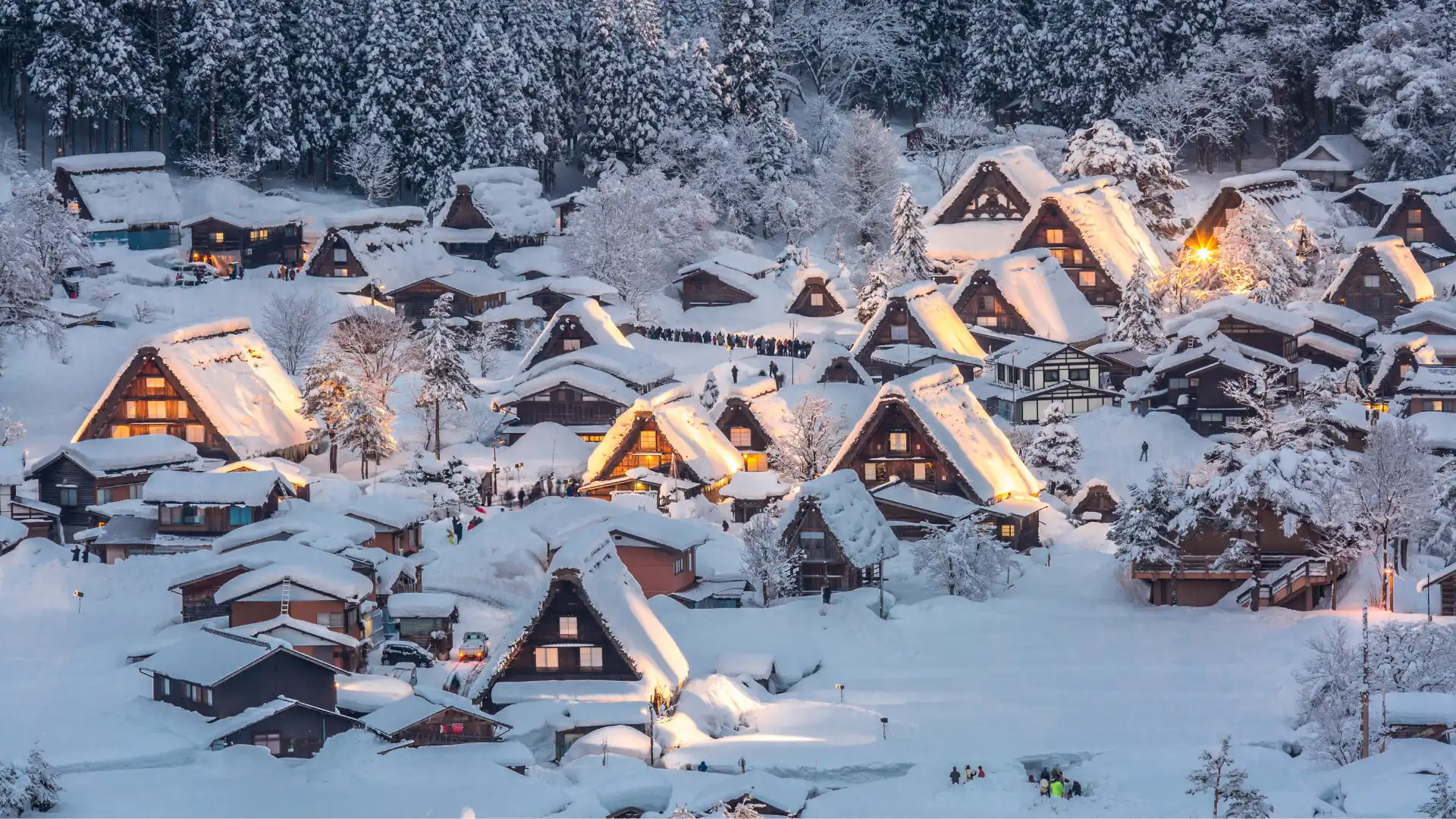
Wako particularly admires the winter venues in Hokkaido, Nagano, and the UNESCO-listed village of Shirakawa-go, where gassho-style houses blanketed in snow create a romantic and unique atmosphere.
“Winter is peaceful and magical,” Wako says. “The snow adds a sense of purity, and the cozy touches—hot sake, candles, and warm lighting—make guests feel truly welcomed.”
For international couples seeking something extraordinary, a winter wedding provides tranquillity and exclusivity. The season is perfect for those who value intimacy over crowds.
| Pros | Cons |
|---|---|
|
|
So, Which Season Is Best for Your Wedding in Japan?
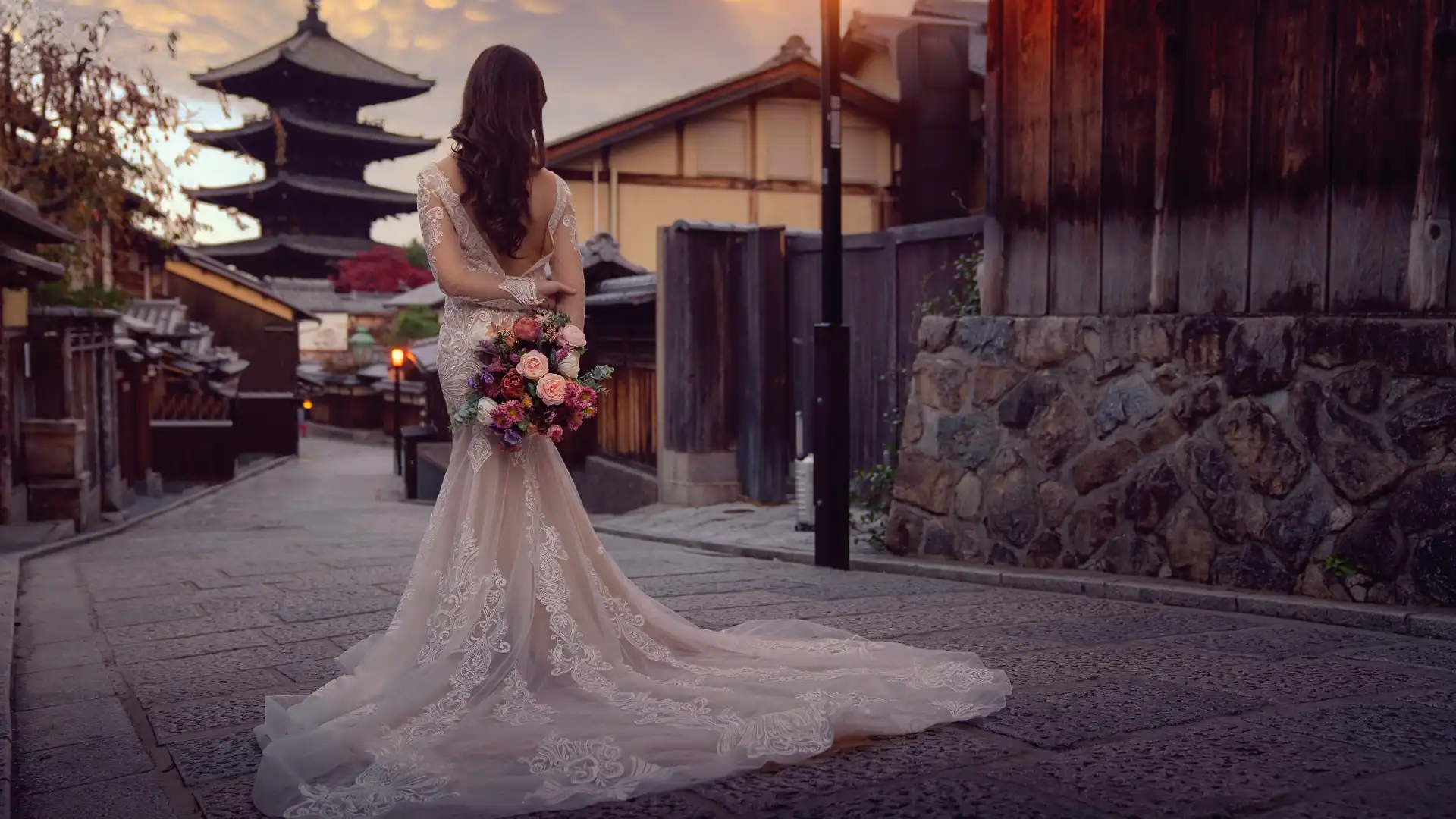
There is no single “best” season—each one offers its own magic. You can’t go “wrong” with any season. Spring is ideal for romance and symbolism, summer for vibrancy and energy, autumn for colour and comfort, and winter for serenity and uniqueness. The perfect choice depends on the couple’s personality, priorities, and vision.
Wako’s advice to international couples is simple: embrace the season that speaks to your heart. With English-speaking planners, kimono fittings, and traditional ceremonies available year-round, Japan makes it easy to create a wedding that feels both deeply personal and culturally rich.
In the end, as Wako beautifully puts it, “A wedding in Japan, tied to the rhythm of its seasons, is a celebration of love and nature. It becomes a journey you and your guests will remember forever.”
Japan Wedding Season Checklist
Which Season Is Right for You?
1. Mood & Atmosphere (What feeling do you want?)
- Romantic, dreamy, and full of symbolism (new beginnings) → Spring
- Vibrant, lively, and festive celebration → Summer
- Rich colours, warmth, and comfortable outdoor feel → Autumn
- Serene, magical, intimate, and peaceful → Winter
2. Photography & Visuals (What kind of photos matter most?)
- Iconic cherry blossom (sakura) backdrops are a must → Spring
- Lush greenery, wisteria, or lakeside/riverside scenes → Summer
- Stunning red, orange, and gold autumn foliage → Autumn
- Snow-covered shrines and fairytale winter landscapes → Winter
3. Weather Comfort (How important is the weather for guests?)
- Mild temperatures (10–20°C) are perfect → Spring
- I’m okay with heat and humidity (or will choose a cooler mountain venue) → Summer
- Comfortable, mild days (15–25°C) with low rain risk → Autumn
- I love the crisp, cold air and don’t mind wrapping up warm → Winter
4. Budget & Availability
- I’m happy to pay peak-season prices and book 12–18 months ahead → Spring or Autumn
- I’d prefer more affordable rates and easier availability → Summer or Winter
- I want the best value for money → Winter
5. Crowd Level & Privacy
- I don’t mind crowds at popular sakura or foliage spots → Spring or Autumn
- I prefer fewer tourists and a more relaxed vibe → Summer
- I want the most private and exclusive experience → Winter
6. Practical Considerations
- I’m flexible with unpredictable bloom dates and have a rain plan ready → Spring
- I’ll provide parasols/fans and have indoor options for rain → Summer
- I want the most reliable weather for outdoor ceremonies → Autumn
- I’m happy with shorter daylight and will include cozy indoor elements → Winter
7. Special Touches I Want
- Sakura motifs on invitations, decor, and desserts → Spring
- Chilled soba, fresh sushi, and summer fruits → Summer
- Chestnut, mushroom, and persimmon seasonal dishes → Autumn
- Hot sake, candles, lanterns, and warm lighting → Winter
Count how many times each season appears as your top choice.
The season with the most matches is your perfect wedding season!
FAQ – Japan Wedding Seasons
1) What is the most popular season for weddings in Japan?
Spring (late March to early April) is by far the most popular, thanks to the iconic cherry blossoms (sakura). The romantic pink petals and the symbolism of new beginnings make it the dream choice for many couples, especially international ones. Autumn comes a close second for its stunning foliage and comfortable weather.
2) When is the best time to get married in Japan if we want cherry blossoms?
The peak cherry blossom season typically runs from late March to early April, though exact dates vary by region and year. Popular spots such as Kyoto, Tokyo, and Hiroshima are at their most beautiful during this window. Book venues and photographers at least 12–18 months in advance, as this is the busiest wedding period.
3) Is summer a good time for a wedding in Japan?
Yes, if you prefer a vibrant, lively atmosphere and don’t mind the heat. Summer weddings shine in cooler mountain areas like Karuizawa or at lakeside/riverside venues. Traditional parasols, fans, and chilled seasonal dishes help keep everyone comfortable. It’s also generally more affordable and less crowded than spring or autumn.
4) Which season offers the most reliable weather for outdoor ceremonies?
Autumn (October to November) is widely considered the most reliable. Temperatures are mild (15–25°C), rainfall is lower than spring or summer, and the vibrant red and gold foliage creates a breathtaking backdrop without the unpredictability of cherry blossoms.
5) Are winter weddings in Japan really possible and beautiful?
Absolutely—winter weddings are becoming increasingly popular for their serene, magical feel. Snow-covered shrines, especially in Hokkaido, Nagano, or the UNESCO-listed village of Shirakawa-go, offer truly unique and intimate settings. Cozy touches like candles, hot sake, and warm lighting make it feel romantic rather than cold.
6) Which season is the most budget-friendly for a wedding in Japan?
Winter is usually the most affordable, followed by summer. Venues and services often have lower rates outside the peak spring and autumn periods, and there are fewer competing bookings. You can still achieve stunning photos, especially with snowy backdrops.
7) Do all seasons have English-speaking support for international couples?
Yes, many shrines, hotels, and wedding planners in major destinations (Kyoto, Tokyo, Hokkaido, etc.) now offer English-speaking coordinators year-round. This makes it easy to incorporate traditional elements such as kimono fittings, tea ceremonies, or Shinto rituals regardless of the season.
8) How far in advance should we book for a seasonal wedding in Japan?
For spring (cherry blossoms) and autumn (foliage), book 12–18 monthsahead for the most sought-after dates and venues. Summer and winter allow more flexibility, but 9–12 months is still recommended for popular locations and photographers.
9) Can we have an outdoor wedding in winter?
Yes, many couples do, especially in snowy regions. However, most winter ceremonies include indoor options or heated tents for guests. The crisp, clear winter light often produces some of the most beautiful photographs.
10) Which season best suits a small, intimate wedding?
Winter is ideal for couples who want privacy and exclusivity. With fewer crowds and a quieter atmosphere, it feels deeply personal. Spring and autumn are more crowded, while summer can still feel festive but intimate at smaller venues.