
- Iconic Traditional Style: Bunkin Takashimada updo with kanzashi, paired with wataboshi or tsunokakushi — symbolizes purity and modesty
- Specialised Traditional Techniques: Binzuke-abura wax, motoyui strings, and mage bun (Shimada/Katsuyama variations)
- Modern & Fusion Trends: Soft waves, buns, and floral accents; blending kanzashi with contemporary styles — gaining popularity in 2026
- Where Styles Are Used: Traditional hairstyles for Shinto ceremonies and kimono; modern/fusion styles for receptions and Western dresses
- Choosing the Right Style: Depends on face shape, outfit, season, and weather for both beauty and practicality
Wako is a professional hairdresser with over 15 years specialising in traditional Japanese wedding hairstyles and kimono dressing. She brings deep firsthand expertise in Shinto ceremony etiquette, bridal attire, and Japan's wedding culture and trends.
Follow on Instagram →When it comes to Japanese weddings (or any wedding actually), a bride’s hairstyle is far more than a mere aesthetic choice — it is a profound expression of cultural heritage, personal identity, and practical considerations.
To find out more about Japanese Bridal Hairstyles, I interviewed Wako Koshigai. A seasoned professional hairdresser with over 15 years of experience specialising in traditional Japanese wedding hairstyles and kimono dressing, brings a wealth of knowledge to this intricate art form. Her deep understanding of Japan’s evolving wedding culture reveals how brides navigate between timeless traditions and contemporary flair to create looks that feel authentically their own.
- The Heart of Tradition: Iconic Styles and Their Symbolism
- Crafting Tradition: Techniques and Tools Behind the Look
- Embracing Modernity: Personalisation and Practicality
- The Rise of Fusion: Blending Old and New
- Tailoring the Perfect Style: Key Considerations
- A Bride's Journey: Tradition, Innovation, and Radiance
- Final Thoughts on Japanese Wedding Bridal Hairstyles
The Heart of Tradition: Iconic Styles and Their Symbolism
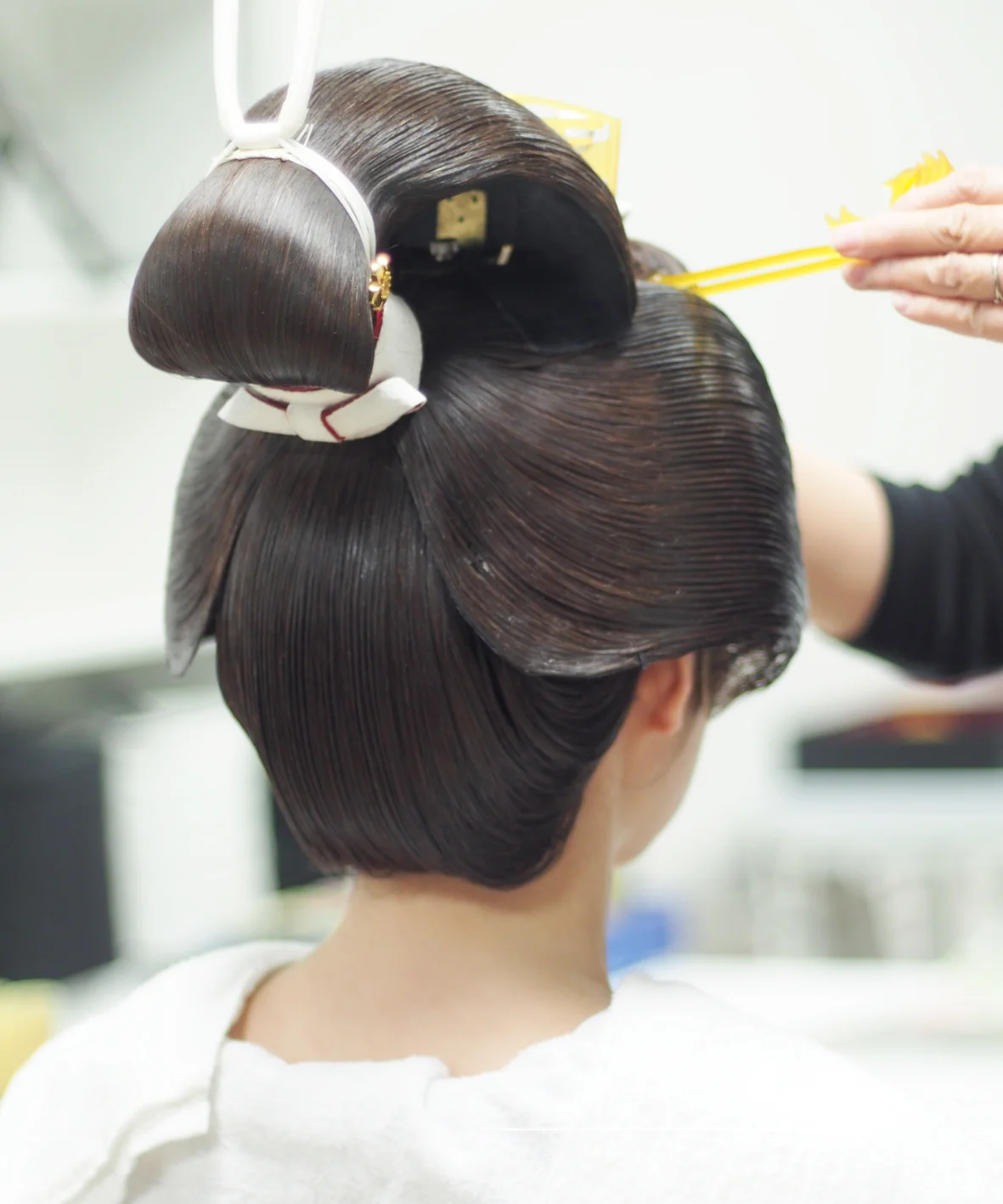
At the core of traditional Japanese bridal hairstyles lies the Bunkin Takashimada, an elaborate up-do that stands as one of the most iconic choices for brides. This sophisticated style, with its precise structure and intricate details, is frequently paired with ceremonial kimono such as the shiromuku (pure white) or the colourful iro-uchikake.
Kanzashi—ornate hair ornaments featuring designs like flowers or cranes—are integral, symbolising good fortune and elevating the overall elegance.
For a complete guide to what the shiromuku involves and what wearing one actually feels like, read our complete guide to the shiromuku wedding kimono.
Complementing the hairstyle are key accessories that carry profound cultural meanings. The wataboshi, a white cotton hood, represents the bride’s purity and modesty, while the tsunokakushi headpiece symbolises her commitment to harmony in her new family by metaphorically concealing any “horns” of jealousy or strong will.
As Koshigai explains, these are not hairstyles in themselves but vital elements of the traditional ensemble. A katsura, or wig, is often employed to achieve the perfect traditional form, yet the Bunkin Takashimada remains the most commonly chosen defined hairstyle for its timeless appeal.
These elements converge beautifully in Shinto ceremonies, creating an image of respectful harmony and enduring beauty rooted in Japan’s heritage.
Wondering what a real Shinto wedding is like? Our insider guide explains every step, from procession to san-san-kudo.
Crafting Tradition: Techniques and Tools Behind the Look
Traditional Japanese bridal hairstyles demand specialised skills and tools that set them apart from everyday styling. Techniques passed down through generations involve creating structured forms using traditional waxes and oils, along with fine combs to achieve a polished, sleek finish.
Specific methods include forming the tsubo or mage—the signature bun shape—at the crown, styling the bin (side sections) to flare outward with the aid of binzuke-abura, a special hair wax.
Hair is secured with motoyui, traditional paper strings, and adorned with yuiwata, decorative cotton pieces reminiscent of the Muromachi period. Variations like the Shimada-mage, a classic looped updo, or the Katsuyama-mage, a more decorative formal style from the Edo era, continue to influence bridal looks today.
These approaches require precision and time, resulting in formal, intricate designs that honour cultural values but may feel less flexible for movement.
Embracing Modernity: Personalisation and Practicality

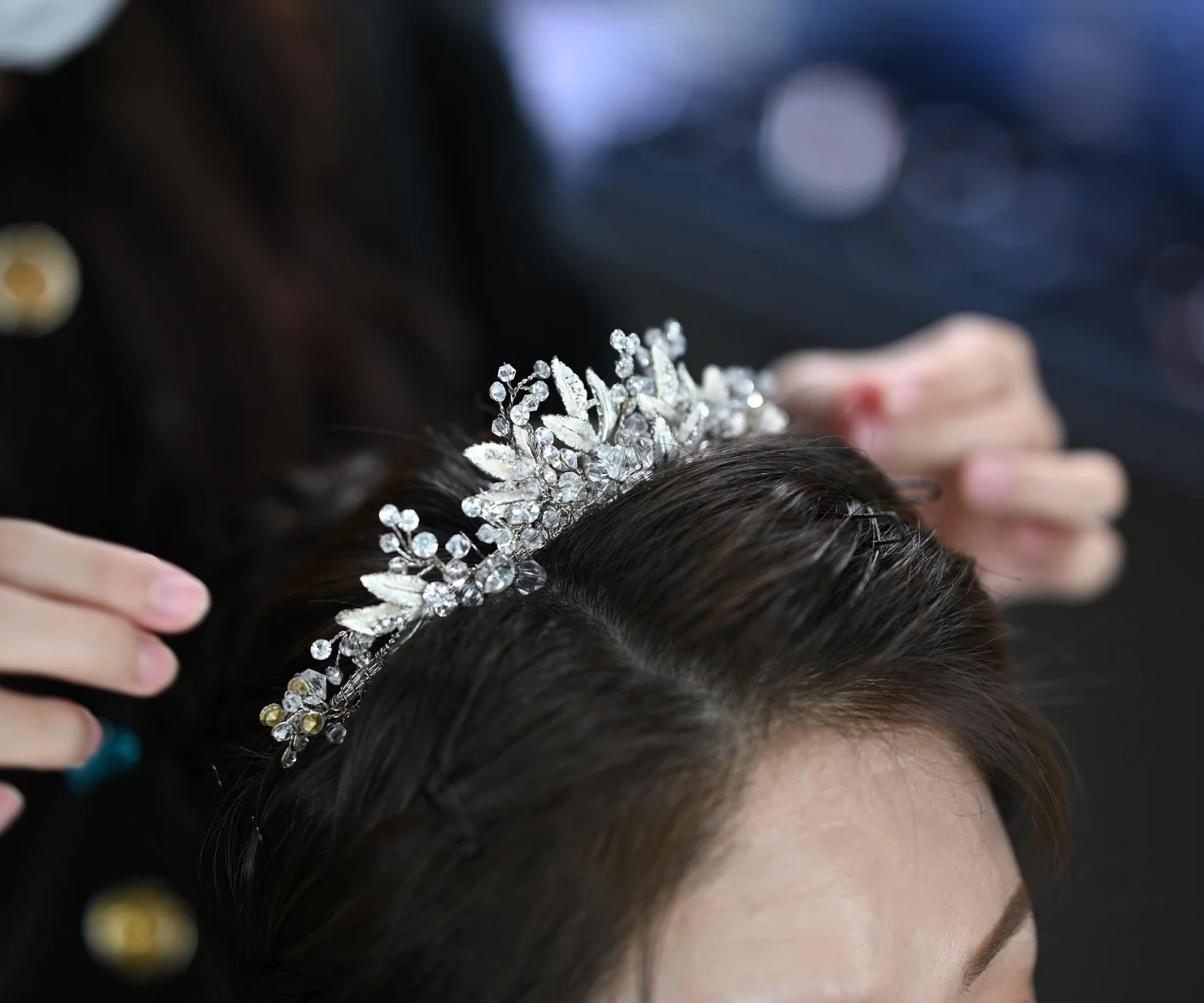
In contrast, modern Japanese bridal hairstyles offer brides greater freedom to express individuality. Soft waves, sleek buns, braids, or half-up styles provide versatile options that complement contemporary wedding dresses. Accessories shift towards global trends: veils, tiaras, jeweled headpieces, and especially fresh flowers, which add a romantic, natural touch.
Seasonal blooms, such as cherry blossoms in spring or roses in summer, are particularly favoured for outdoor settings, blending seamlessly with the environment. These styles prioritise comfort and durability, ensuring the bride can move freely and enjoy the day without concern.
Koshigai notes that modern approaches focus on lightweight designs that hold up well, marking a departure from the rigidity of pure tradition towards practicality and personal charm.
The Rise of Fusion: Blending Old and New
Increasingly, Japanese brides are embracing fusion styles that marry traditional elements with modern creativity. This trend allows for unique expressions, such as incorporating a classic kanzashi ornament into a soft updo or pairing Western-inspired waves with a kimono.
Half-up, half-down styles offer another bridge, providing a mix of formality and relaxation. Some brides opt for traditional looks during the ceremony and switch to modern ones for the reception, reflecting the evolving nature of Japanese weddings held in hotels, shrines, or hybrid venues.
As Koshigai observes, these hybrid approaches are gaining popularity, enabling brides to honour heritage while infusing their personality.
Wondering whether to go for the classic shiromuku or a modern gown? See our full comparison of shiromuku vs modern wedding dress.
Tailoring the Perfect Style: Key Considerations
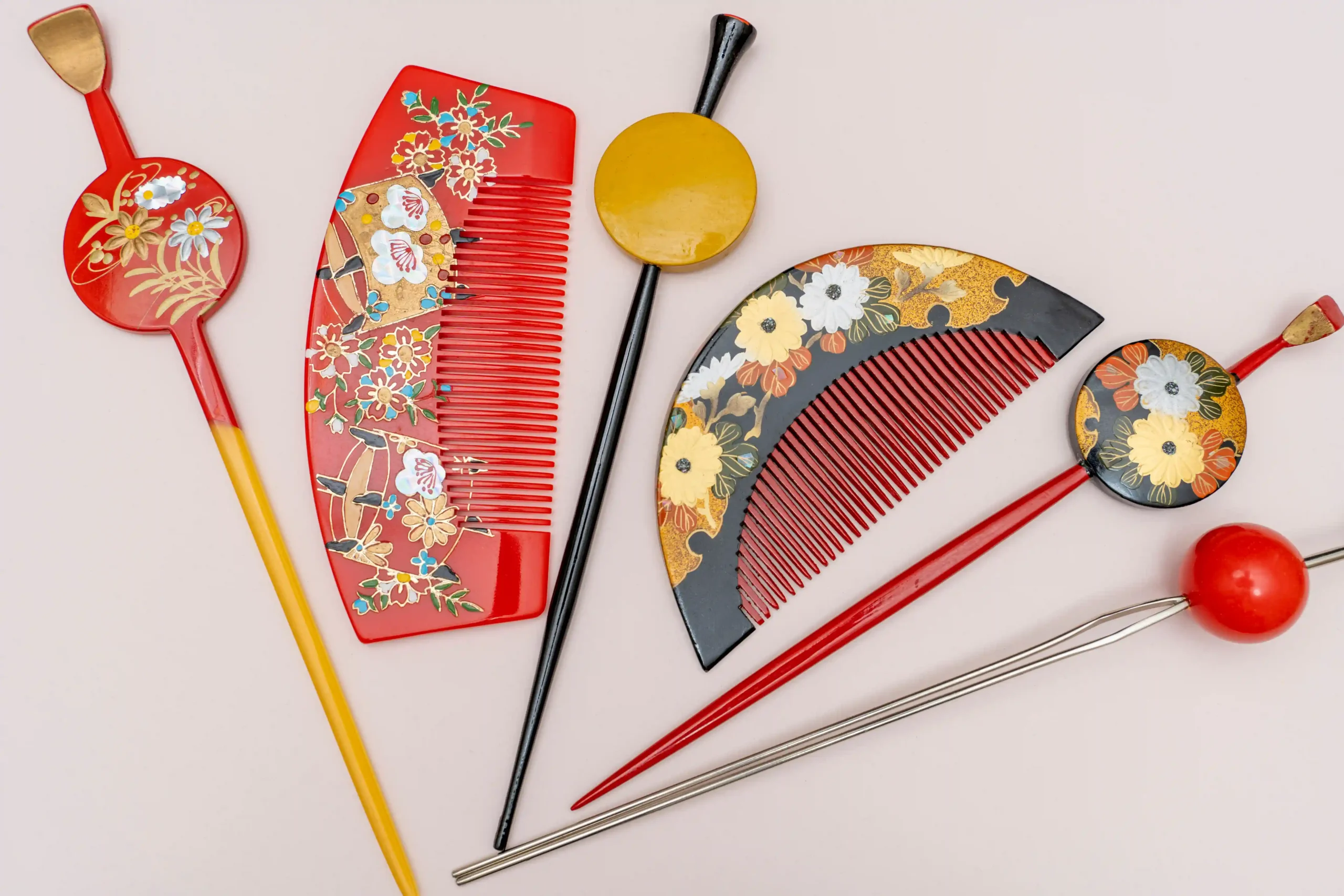
Choosing a bridal hairstyle in Japan is a thoughtful process influenced by several factors. Face and head shape play a crucial role: brides with wider foreheads might select classic up-dos for balance, while those with longer faces prefer lower chignons to soften height. Adding volume at the back can create a rounded silhouette for flatter head shapes.
The outfit is equally important—Bunkin Takashimada pairs naturally with shiromuku or iro-uchikake, a low chignon suits wataboshi for easy transitions, and fresh flowers enhance colourful kimono. Season and weather also guide decisions; Japan’s humidity can affect fresh blooms, prompting alternatives like tiaras or pearl pins in hot or rainy conditions, with tighter securing using hairspray on windy days.
Classic pairings, such as sleek chignons with floral accents, ensure cohesion and practicality.
A Bride’s Journey: Tradition, Innovation, and Radiance
Ultimately, whether a bride chooses the symbolic depth of traditional styles like Bunkin Takashimada or the versatile charm of modern and fusion looks, the decision reflects her unique story. With guidance from experts like Wako Koshigai, brides can navigate these choices to feel confident and radiant.
Traditional hairstyles shine in Shinto settings but appear in modern weddings too, especially with kimono elements. The shift towards personalisation and comfort highlights how Japan’s wedding culture adapts while preserving its elegant roots, offering endless ways for brides to embark on their new chapter with grace.
Final Thoughts on Japanese Wedding Bridal Hairstyles
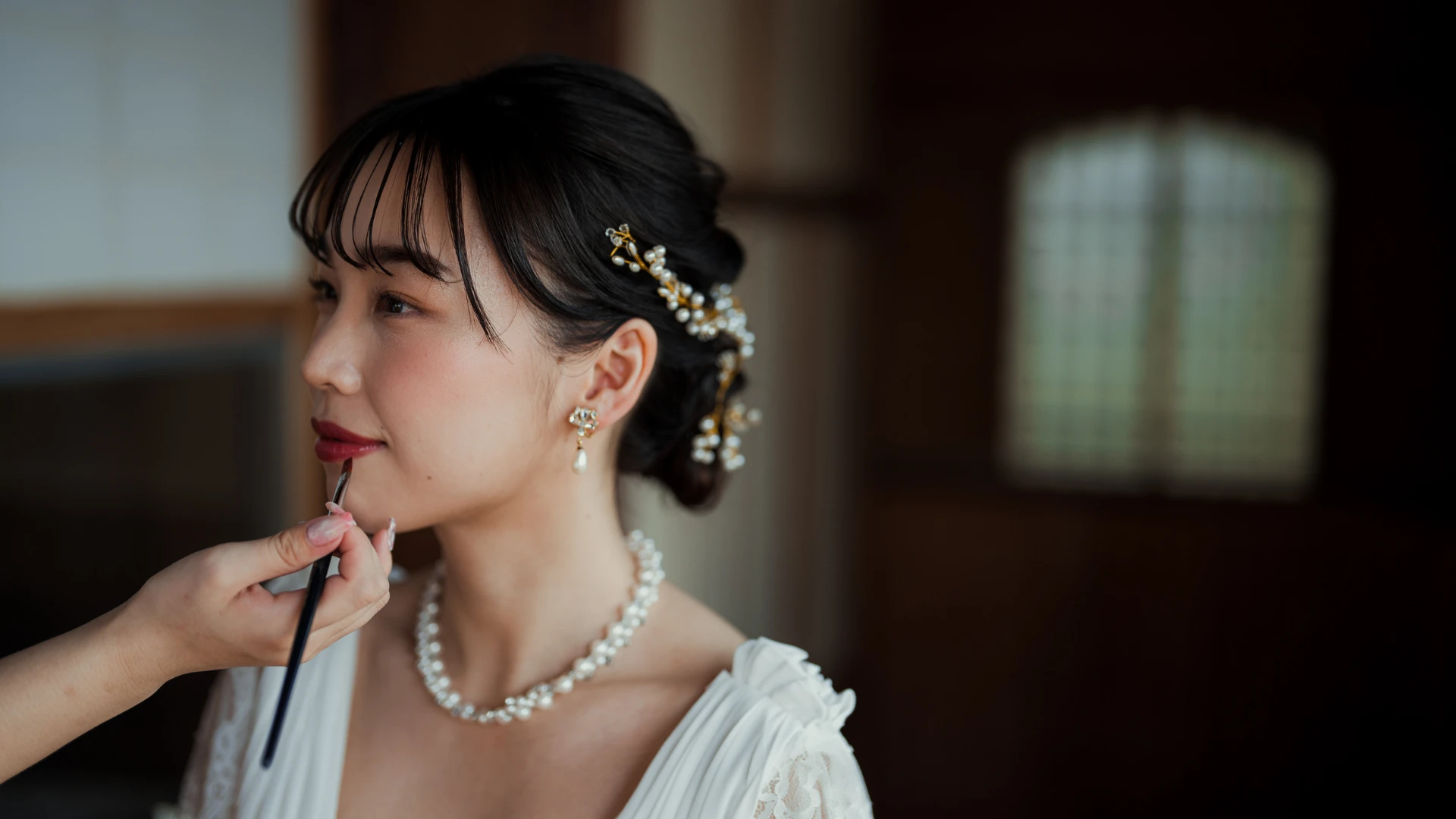
Whether embracing the cultural elegance of the Bunkin Takashimada or the versatility of modern floral hairstyles, each bride’s choice reflects her unique personality and the significance of her special day.
Both traditional and modern styles celebrate beauty in their own way, offering endless possibilities for brides to feel radiant and confident as they begin their new journey.
Once the hairstyle decision is made, the full attire picture comes together. For a complete overview of every Japanese wedding attire option available to international brides, read our Japanese wedding attire guide.
FAQ – Japanese Wedding Bridal Hairstyles
1) What is the most iconic traditional Japanese bridal hairstyle?
The Bunkin Takashimada—an elaborate, sophisticated updo symbolising tradition and elegance, often with kanzashi ornaments.
2) Are wataboshi and tsunokakushi hairstyles?
No, they are accessories. Wataboshi is a white hood for purity and modesty; tsunokakushi is a headpiece symbolising harmony. Katsura is a wig sometimes used.
3) What tools are used for traditional bridal hairstyles?
Specialised items like binzuke-abura (hair wax), motoyui (paper strings), traditional combs, and techniques to form the mage bun and side sections.
4) What are some traditional hairstyle variations?
Shimada-mage (classic looped updo) and Katsuyama-mage (decorative Edo-period style) are still seen in bridal looks today.
5) What are popular modern Japanese bridal hairstyles?
Soft waves, sleek buns, braids, half-up styles, often adorned with fresh flowers, tiaras, or veils for comfort and personal style.
6) Are fusion styles common?
Yes, and growing in popularity—brides mix kanzashi or traditional elements with modern updos, waves, or Western details.
7) Are traditional hairstyles only for Shinto weddings?
Mainly yes, especially with kimono, but they also appear in modern hotel or shrine weddings; many switch to modern styles for receptions.
8) How does face shape influence hairstyle choice?
Up-dos balance wider foreheads, low chignons soften long faces, and added volume rounds flatter head backs.
9) How do weather and season affect choices?
In heat, humidity, or rain, tiaras or pearl pins replace fresh flowers; accessories are secured tightly on windy days. Fresh blooms suit cooler seasons.
10) What are classic hairstyle and outfit pairings?
Low chignon with wataboshi for easy changes; sleek chignon with fresh flowers for colourful iro-uchikake; half-up styles for a modern-traditional mix.

Timothy is a web builder and marketing specialist with a deep passion for Japan and its culture. He founded Get Married in Japan to help international couples navigate Japan's wedding traditions — and to connect them with the people who know it best.
Connect on LinkedIn →