
- Hokkaido = size of Austria or South Korea — Hub-concentrated planning is non-negotiable. Guests staying in Sapporo and travelling to Niseko or Furano on the wedding morning is a recipe for disaster.
- Four venue zones: Tomamu (architectural drama, Ice Chapel), Niseko (international luxury, Mt. Yotei backdrop), Sapporo/Otaru (modern art, Glass Pyramid), Furano/Biei (lavender fields, farm-to-table).
- Best season: September & October — crisp skies, minimal typhoon risk, spectacular foliage. Winter is most dramatic but logistically demanding.
- Winter photography: 11am–2pm window only (sun sets ~3:30pm). Follow strict 10 min outdoor / 10 min inside rotations.
- Guest safety: Never let international guests drive in winter — charter shuttles mandatory. Add snow boots briefing to invitation (heavy treads, no dress shoes/heels).

Wako is a professional hairdresser with over 15 years specialising in traditional Japanese wedding hairstyles and kimono dressing. She brings deep firsthand expertise in Shinto ceremony etiquette, bridal attire, and Japan's wedding culture and trends.
Follow on Instagram →A winter wedding in Hokkaido is one that can look really surreal and magical in the right setting. Combine it with snowy mountains or a beautiful flower fields and you can really get something straight out of a storybook.
But weddings in Hokkaido are a different challenge altogether because of it’s different seasons and logistical challenges.
To find out more about different Hokkaido Wedding Venues, I interviewed Wako Koshigai, a professional Japanese hairdresser with over 15 years of experience specialising in traditional Japanese wedding hairstyles and kimono dressing.
Though she has not personally worked across all four Hokkaido regions yet, her insights are from her extended Japanese bridal network and colleagues in Hokkaido.
Hokkaido Is Its Own Country

The biggest mistake international couples make according to Wako is looking at a map of Japan and treating Hokkaido like a slightly larger version of anywhere else they’ve planned a trip. Wako suggests not to look at it that way.
Hokkaido’s land area is roughly the size of Austria, South Korea, or even double the size of Switzerland. Distances that look manageable on a screen may not be so manageable in reality.
One of the specific mistakes that derails Hokkaido weddings most often is planning for guests to stay in Sapporo and travel to Furano or Niseko on the morning of the wedding. In summer, peak tourist traffic can make those drives unpredictably long. And in winter, a single blizzard can close roads entirely.
“Planning to have your guests stay in Sapporo and travel to Furano or Niseko on the wedding morning is a recipe for disaster. You also run the risk of sudden road closures due to winter blizzards or summer tourist traffic. This is not a mainland Japan wedding.” — Wako Koshigai
The fix is simple but non-negotiable: Hub-Concentrated Planning.
Choose one premium resort or region and keep the ceremony, reception, guest accommodation, and post-wedding activities all within the same perimeter. This is the structural decision that makes everything more manageable.
Realistic transfer times from airports
For a full guide to managing guest transport logistics at a Japan destination wedding, read our transportation and logistics guide.
Four Venue Areas & What Each One Offers
Tomamu: Architecture, Art, and Ice
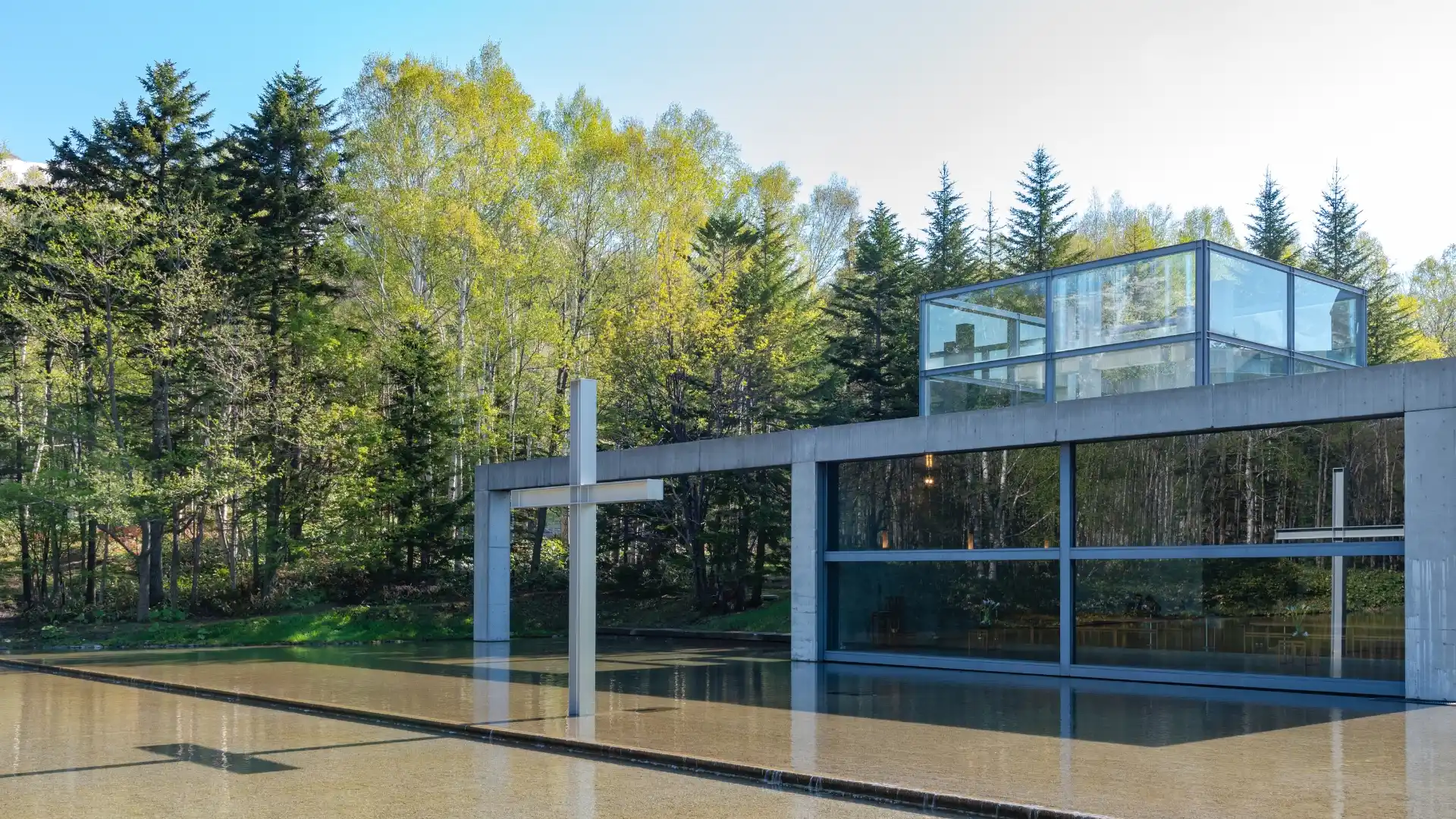
A Tomamu wedding at Hoshino Resorts TOMAMU gives couples access to two of the most architecturally striking wedding venues in Japan.
The Church on the Water, designed by world-renowned architect Tadao Ando, features a massive glass wall that opens directly onto a forest and lake. The outside world becoming the ceremony backdrop without a single additional decoration.
In January and February, the resort builds the Ice Chapel: a temporary dome constructed entirely from crystal-clear ice, where the altar, the pews, and every surface the couple touches is carved from frozen water.
Beyond the ceremony, guests can ski world-class powder runs and ride the morning gondola to the Unkai Terrace to watch a sea of clouds roll through the valley below.
Tomamu suits couples who want a venue that looks like nowhere else on earth and are willing to build their entire wedding logistics around being in one place.
Niseko: International Mountain Luxury
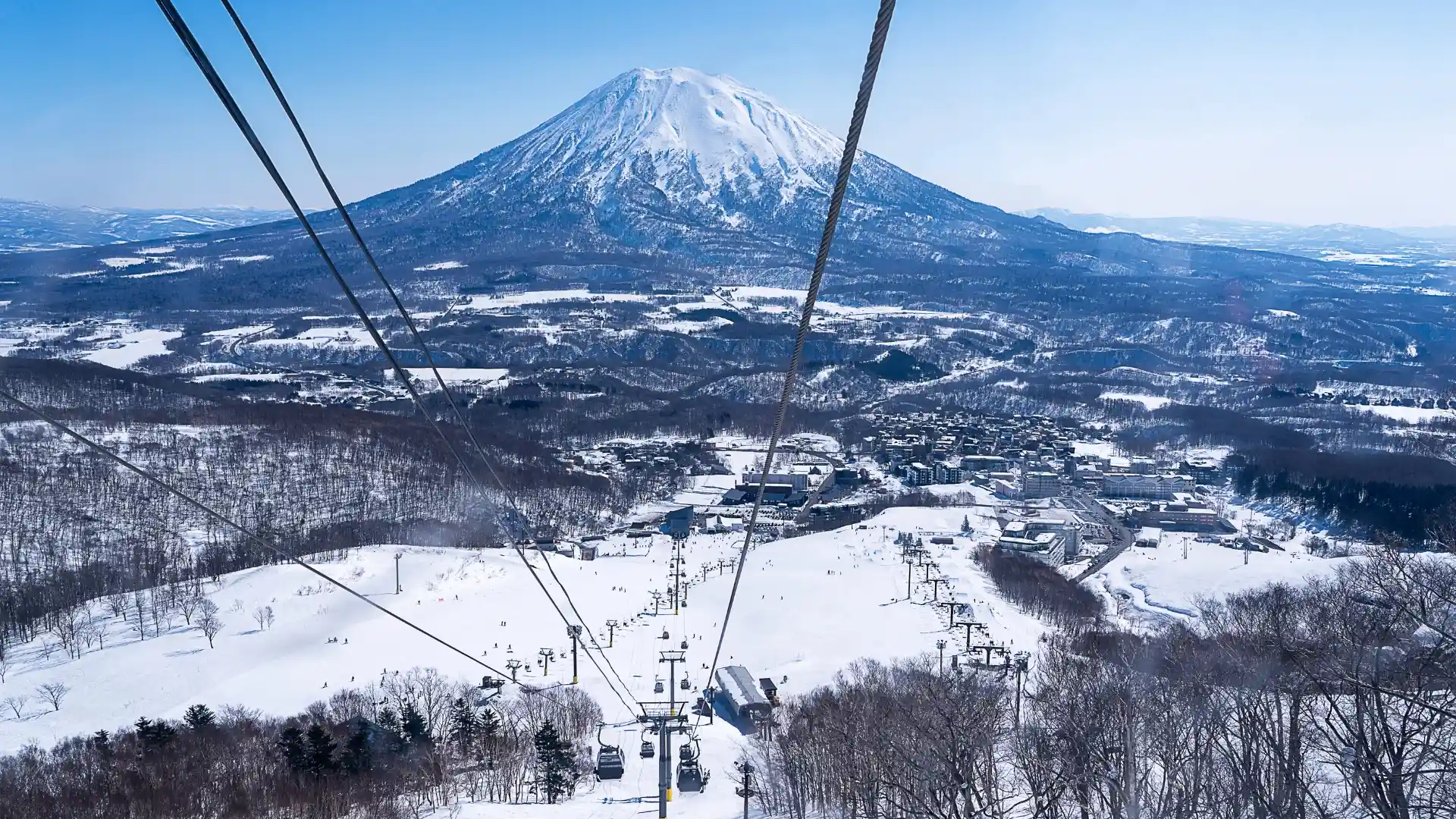
A Niseko wedding centres on what is known internationally as the St. Moritz of the East as Niseko centres on Park Hyatt Niseko HANAZONO and a collection of comparable high-end resort properties, all set against the backdrop of Mt. Yotei.
Mt. Yotei is a near-perfect volcanic cone often compared to Mt. Fuji. Because Niseko has been catering to affluent international visitors for over a decade, it is the most seamlessly international-ready region in all of Japan for a destination wedding.
English support is comprehensive. Vegan, halal, and severe allergy requirements are accommodated as standard.
In winter, the powder snow is exceptional. In summer, white-water rafting, championship golf courses, and high-end spas fill the guest programme.
Niseko suits couples who want luxury resort infrastructure and whose guests prioritise comfort and accessibility over visual drama.
Sapporo and Otaru: Modern Art and Historic Nostalgia
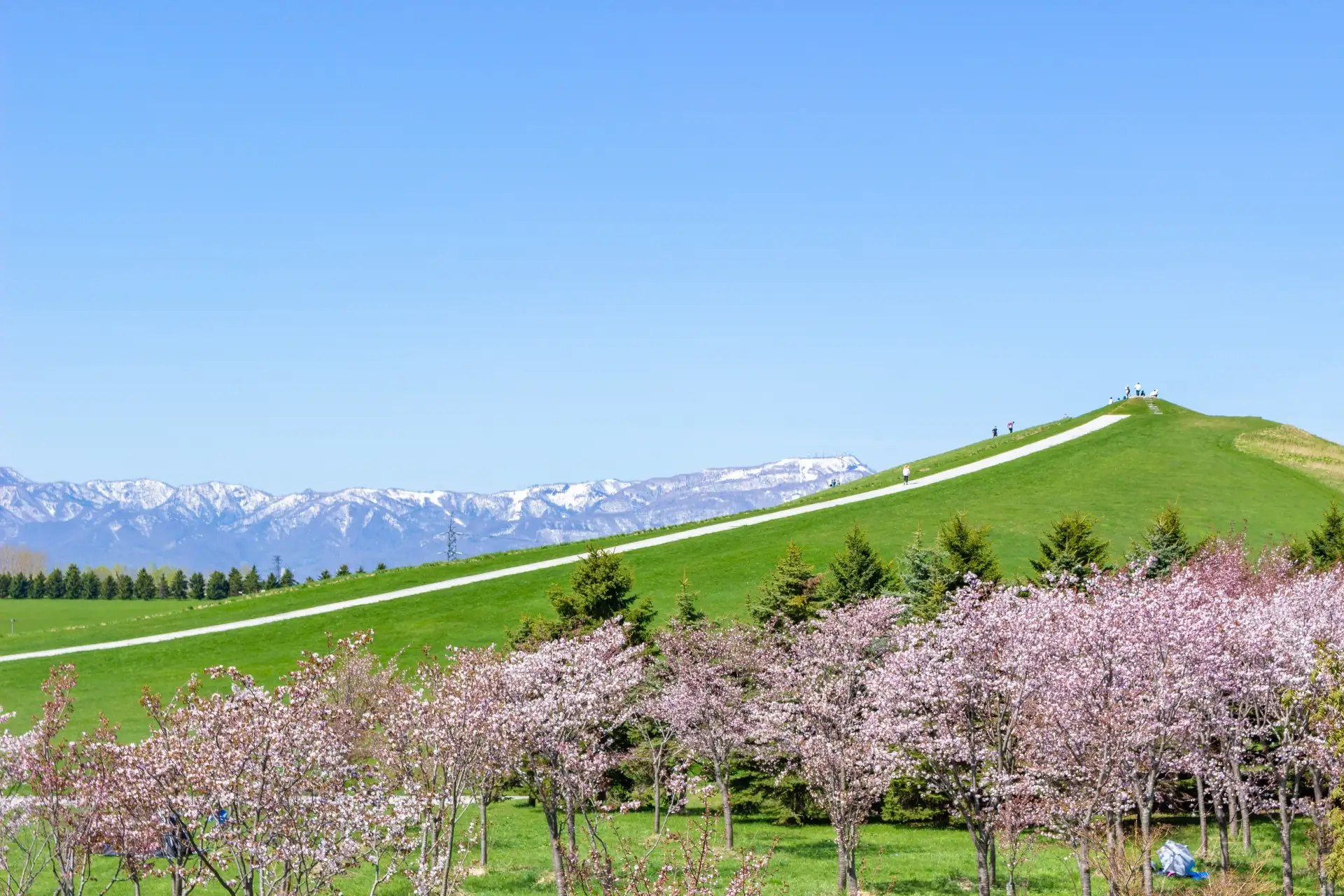
Moerenuma Park, an expansive public art park designed entirely by legendary sculptor Isamu Noguchi, is one of the most distinctive ceremony settings available anywhere in Japan.
With the Glass Pyramid at its centre, a towering geometric structure that floods with natural light, allows couples to use Hokkaido’s vast sky as their backdrop without being exposed to the weather.
For couples who want a sleek, modern, and artistic aesthetic rather than a nature-immersive one, Moerenuma is genuinely unique.
Guests staying in the Sapporo and Otaru area have access to some of Japan’s finest food such as fresh uni, ikura, and wagyu are the regional specialties. Alongside Otaru’s historic canal district and its artisan glass-blowing workshops.
Furano and Biei: Panoramic Pastoral Views
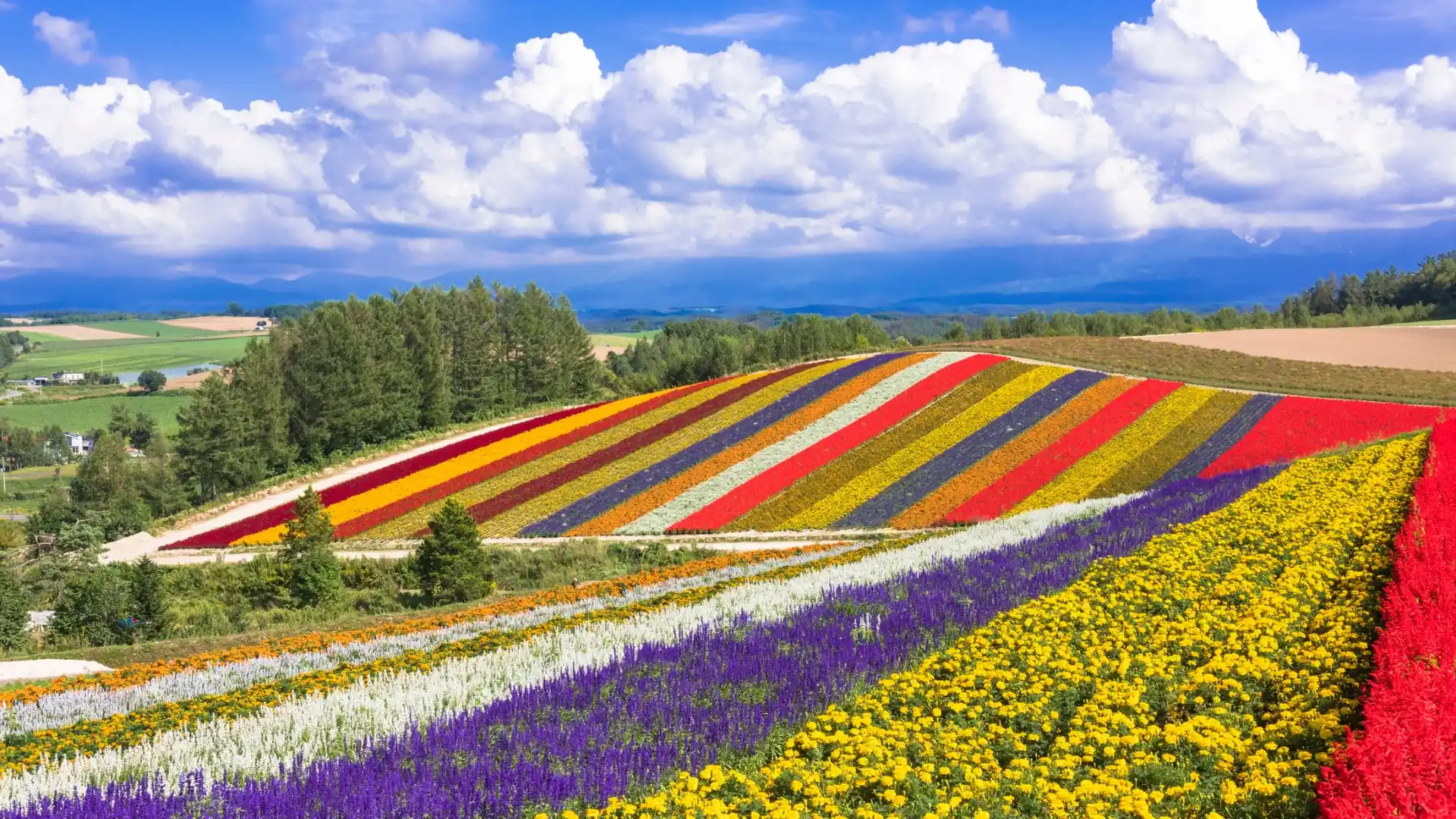
The rolling hills and endless flower fields of Furano and Biei look more like Provence than Japan. Lavenders in July, golden wheat in autumn, a landscape that stretches to the horizon in every direction.
Ferme La Terre Biei and private estate gardens host outdoor garden ceremonies paired with farm-to-table receptions built around the region’s exceptional local produce, dairy, and wine.
Furano and Biei suit couples who want ceremony photographs taken in vast natural landscapes rather than architectural venues. And who are willing to plan their visit around the specific season when the landscape is at its peak.
Fly into Asahikawa rather than New Chitose. The transfer is an hour instead of three, and Asahikawa handles winter weather better than almost any other regional airport in Japan.
Which Season Is Right for You?
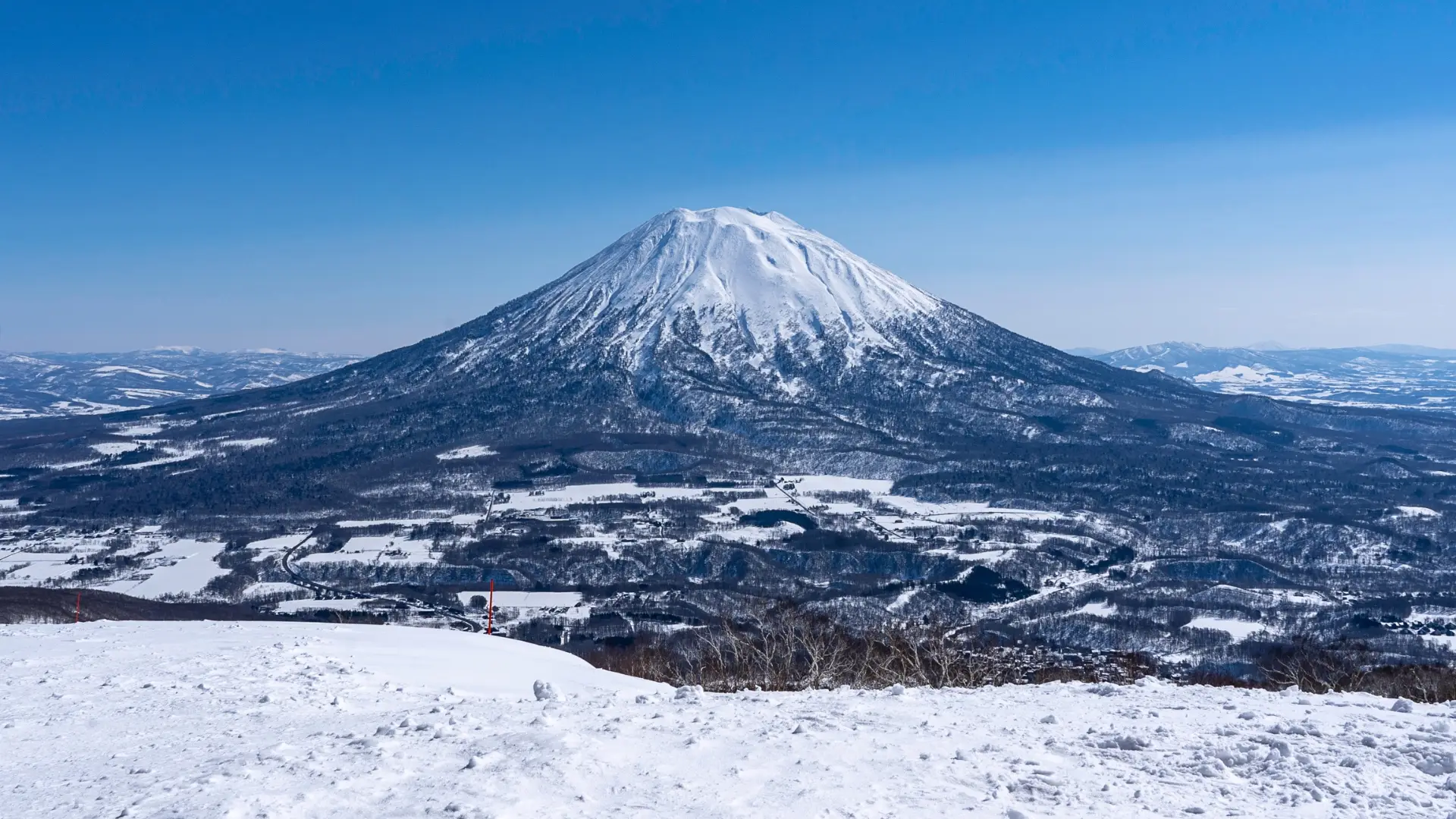
Hokkaido’s seasons are more extreme and more distinct from mainland Japan than most couples expect. The advice changes significantly between them and so does the risk profile.
Winter (December to March)
The case for a winter wedding Japan couples dream about, specifically a snow wedding Japan rarely matches elsewhere, is simple: the photography is incomparably dramatic.
Humidity-free powder snow, frosted trees, and diamond dust in the air create conditions that mainland Japan never produces. The Ice Chapel at Tomamu exists for two months a year and nowhere else on earth.
The case against requires equal honesty. Winter days are short. Meaning the sun begins setting around 3:30pm. Couples who schedule their day like a mainland wedding discover it’s pitch black before the reception ends, eliminating any possibility of sunset photographs. The outdoor photography window is 11am to 2pm. Thus making it quite challenging.
Guest driving is not an option. Whiteouts, blizzards where visibility drops to zero, and black ice are treacherous even for locals. A private charter shuttle from airports and major train stations is a mandatory budget line item, not an optional upgrade.
And before anything else is briefed to guests, add this to the invitation: pack proper winter snow boots with heavy-duty treading for outdoor transitions. International guests in leather dress shoes or heels will slip on black ice. This is one of the most important acts of hospitality a Hokkaido couple can extend.
💡 Wako’s rule on set: 10 minutes shooting, 10 minutes inside with hot soup to warm up completely. Any longer outdoors and the bride’s nose and ears turn bright red — nearly impossible to retouch naturally in editing.
April — Avoid
April is the “Snow-melting” season. The ground gets muddy, the landscape looks bare and brown. Wako does not recommended April period for weddings.
May — Highly Recommended
Once May arrives, Hokkaido transforms. Fresh greenery, late-blooming cherry blossoms, and tulips create a landscape that’s spectacular and, crucially, warm enough to enjoy. Hokkaido’s spring arrives later than mainland Japan but is genuinely worth waiting for.
Summer (June to August) — Endless Sunshine
Hokkaido has no rainy season unlike the rest of Japan, which endures weeks of oppressive humidity. Summer days stay bright until nearly 8pm, making long outdoor evening cocktail parties in the lavender fields of Furano entirely feasible.
The hidden risk is UV. The cool breezes in Hokkaido’s open fields are deceiving as the UV radiation is significantly stronger than it feels. And in Furano and Biei specifically, shooting among the flowers means dealing with seasonal insects. Neither of these is a reason to avoid summer. They’re reasons to prepare for it specifically.
💡 Summer must-have: A fragrance-free organic insect repellent that’s safe for delicate bridal fabrics. In flower-field settings it’s not optional — it’s a beauty tool.
Autumn (September to October): Recommended Season
September and October are arguably the best months for a Hokkaido wedding. September brings crisp, clear skies with minimal typhoon risk compared to mainland Japan.
October paints the mountains with vibrant maples and golden ginkgo. The landscape is at its most dramatic without the extreme logistical demands of winter.
The one consideration: the temperature drops sharply after sunset. What feels comfortable at 4pm can feel cold by 6pm. Styling must account for this gap, and the bride’s layers need to be planned in advance rather than improvised on the day.
Wedding Styling and Beauty Secrets by Season
Hokkaido requires specific professional knowledge that mainland Japan experience doesn’t automatically transfer to. What works at a Kyoto shrine in spring doesn’t necessarily work at a Niseko resort in January.
Winter — Western Dress
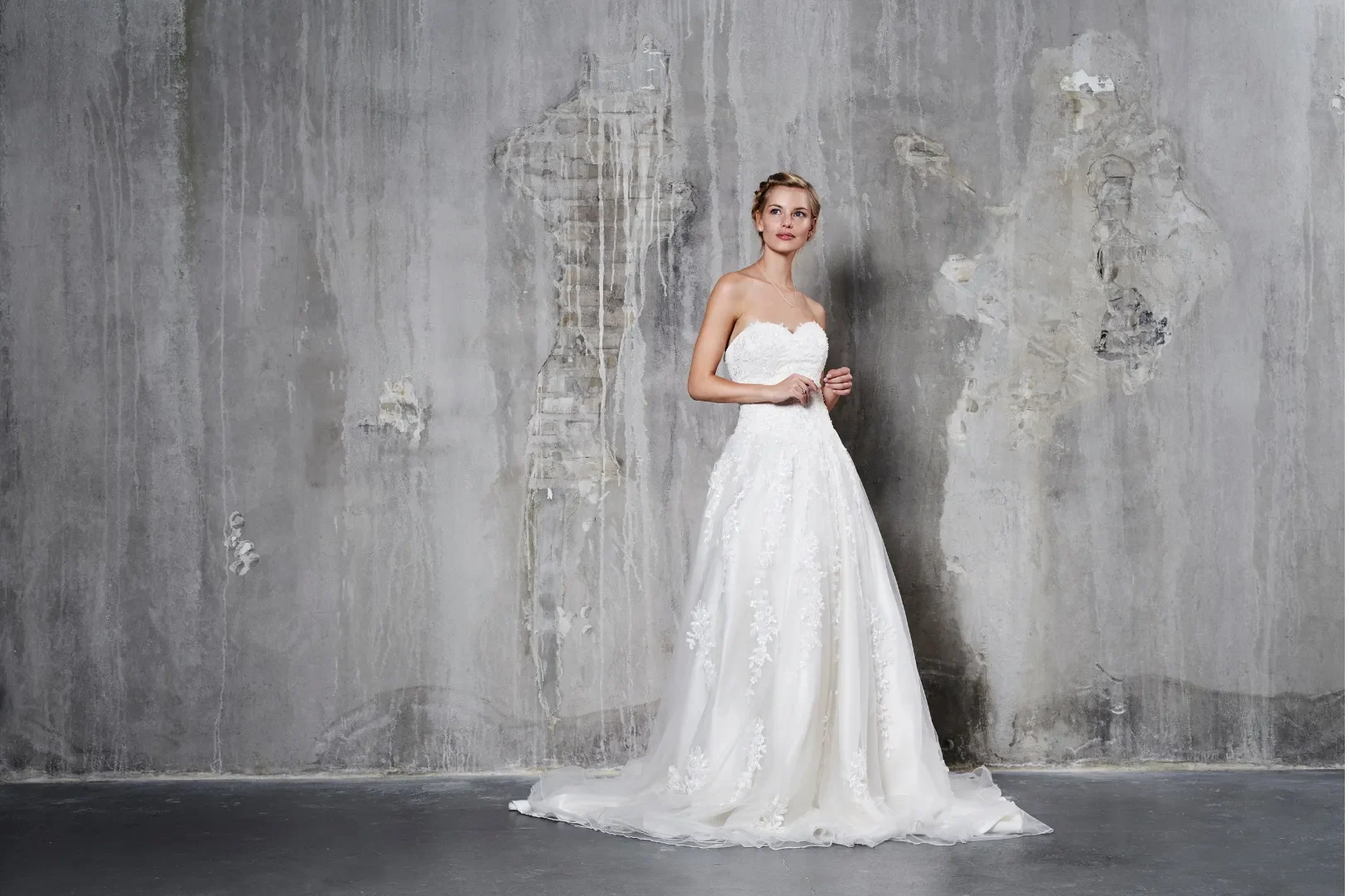
The core challenge is foundation behaviour in sub-zero temperatures. The harsh contrast between freezing outdoor air and heavy indoor heating causes standard foundation to dry rapidly and crack. The solution according to Wako is a hydrated-glow base.
These are intensive facial oils and moisture-locking primers applied to the skin before any makeup, so the base stays flexible rather than brittle.
For warmth under the dress: Wako suggests wearing ultra-thick fleece-lined cashmere tights in nude-beige, and heat packs placed on the stomach, lower back, and soles of the feet. These are invisible under the gown.
For fabric choices, heavy mikado silk, velvet, or a faux-fur cape over the dress look magnificent against snow and provide genuine insulation.
For hair: Wako suggests a sleek low chignon or tightly secured updo is non-negotiable. Moving repeatedly between sub-zero outdoor air and heated indoor spaces causes condensation, static, and frizzing for any loose style.
The heavy down coats worn between outdoor takes will also pull and flatten any style that isn’t secured properly.
Winter — Traditional Kimono
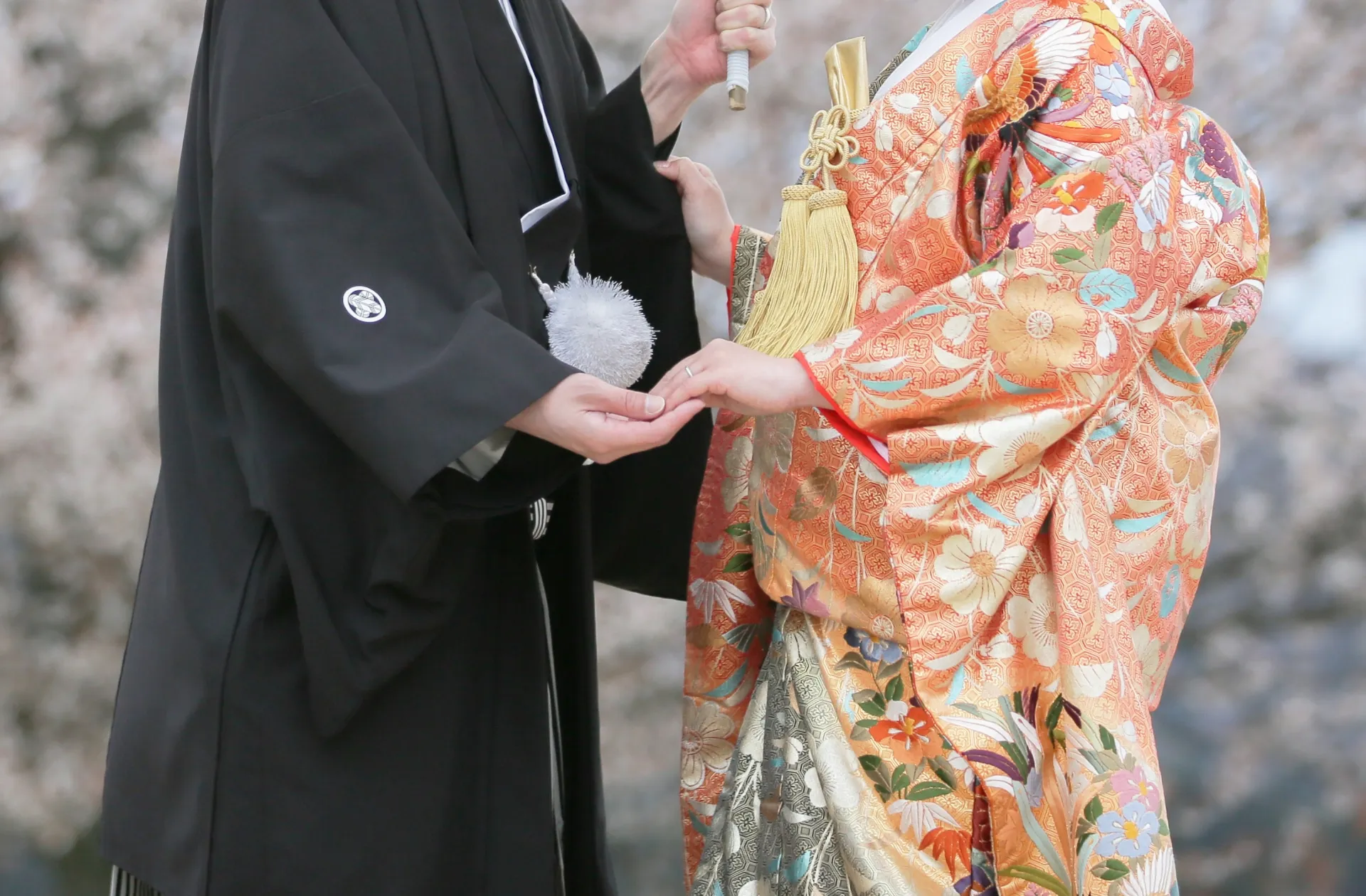
Counterintuitively, traditional Japanese kimono is actually well-suited to Hokkaido winter according to Wako. The multiple layers of heavy, high-quality fabric provide genuine insulation that most Western dresses simply don’t match. With the right invisible reinforcement underneath, a bride in shiromuku or iro-uchikake can stay warmer than she might expect.
The invisible insulation layer includes thermal tops with deep-cut necklines (staying hidden beneath the kimono collar), heat-generating leggings, and fleece-lined thermal tabi socks replacing the standard tabi.
For outdoor transitions, specialised bridal fur stoles and winter zori sandals with built-in clear toe covers protect the feet from snow without compromising the look.
For everything you need to know about the shiromuku and what wearing one involves, read our complete guide.
Summer Styling
UV protection for exposed skin is the non-negotiable. For low-cut or backless gowns, a micro-fine non-greasy UV setting spray applied during touch-ups protects the skin without staining the fabric — invisible in person and in photographs.
For wind management in open-field settings, a sleek low chignon or an intentional textured wind-swept style using specific hair oils works with the environment rather than fighting it.
Fabric choices lean toward light tulles, organza, and flowing chiffons that move with the landscape rather than against it.
In lavender and wheat fields, a billowing lightweight gown can produce extraordinary photographs that a structured or heavy gown never would.
Autumn Styling
From late September the air becomes significantly dry. The priority in the makeup base shifts to hydration. Setting powder is kept to an absolute minimum to preserve a natural, dewy glow that reads well against the warm colours of autumn foliage.
Elegant removable layers for the bride include a high-quality bridal bolero, shawl, or capelet. These are essential for managing the temperature drop after sunset without disrupting the overall look.
The Ice Chapel: An example of a perfect Hokkaido Wedding
A winter wedding at Tomamu’s Ice Chapel, styled by a colleague of Wako’s, is the clearest illustration of what Hokkaido makes possible when preparation and environment come together correctly.
The chapel is built entirely from translucent, icy-blue structures. The altar, the pews, every surface are all ice.
Candlelight flickers through the frozen walls.
The stylist made a single deliberate adjustment: slightly more warmth and flush in the bride’s makeup palette than she would use anywhere else.
Against the stark coldness of the ice and the blue-tinted light, that warmth created something the photos captured as almost ethereal.
“It beautifully demonstrated that when flawless styling techniques and meticulous warming logistics align, a sub-zero environment can produce a magical, breathtaking moment that you simply cannot replicate anywhere else in the world.” — Wako Koshigai
The Ice Chapel exists for two months a year. It requires the kind of preparation this guide describes. The results justify both.
Planning Your Hokkaido Wedding: A Practical Checklist
Airports
Booking timeline
Hokkaido’s peak seasons book significantly earlier than mainland Japan. The Ice Chapel at Tomamu is limited to January and February and fills months in advance.
Lavender season in Furano (July) and autumn foliage (October) are similarly competitive.
Build 12 to 18 months into your planning timeline as a minimum for peak season dates.
Winter-specific essentials
Private charter shuttle from airports and train stations: mandatory, not optional.
Footwear briefing on the wedding invitation: essential.
Full Hub-Concentrated Planning: non-negotiable.
Photography window: 11am to 2pm. After 2pm the light weakens and the temperature drops fast.
For guidance on choosing a photographer who can work in these conditions, read our wedding photographers in Japan guide.
Will you plan a wedding in Hokkaido?
Hokkaido rewards preparation and punishes assumption.
The couples who treat it like any other Japan wedding destination make expensive, sometimes avoidable mistakes. The ones who understand its scale, its seasons, and what its climate actually demands and who plan accordingly usually come away with something genuinely extraordinary.
No other destination in Japan produces the Ice Chapel in January, or lavender-field photographs in July, or the specific quality of autumn light on the mountains in October. The logistics may be more demanding but the results are more dramatic and worth it.
Hokkaido Wedding — Frequently Asked Questions
Essential planning tips for a destination wedding in Japan’s northern island.
Is Hokkaido a good place to get married?
What are the best wedding venues in Hokkaido?
• Tomamu: Architectural drama, Church on the Water & Ice Chapel
• Niseko: International luxury, Mt. Yotei backdrop
• Sapporo: Modern art, Isamu Noguchi Glass Pyramid
• Furano/Biei: Lavender fields & pastoral hills
What is the best season for a Hokkaido wedding?
How cold does Hokkaido get in winter for a wedding?
Can guests drive themselves in Hokkaido in winter?
Which airport should I fly into for a Hokkaido wedding?
Asahikawa (AKJ) for Furano/Biei (shorter transfer, high winter reliability).
No direct flights from US/Europe — transit via Tokyo.
What is the Ice Chapel at Tomamu?
Can I wear a traditional Japanese kimono for a Hokkaido winter wedding?
How far in advance should I book a Hokkaido wedding venue?
What should international guests know before attending a Hokkaido winter wedding?
• Arrive a day early — winter flights and roads are unpredictable.
About the Contributor
Wako Koshigai is a professional hairdresser with over 15 years of experience specialising in traditional Japanese wedding hairstyles and kimono dressing. With deep knowledge of Japan’s wedding culture and trends, she has worked with both Japanese and international couples across the country’s most celebrated venues, shrines, and heritage settings.

Timothy is a web builder and marketing specialist with a deep passion for Japan and its culture. He founded Get Married in Japan to help international couples navigate Japan's wedding traditions — and to connect them with the people who know it best.
Connect on LinkedIn →