TL;DR – Kamakura Wedding Venues
- – Kamakura: Historic town 1hr from Tokyo — temples, beaches, charm for intimate weddings.
- – Top 3: Tsurugaoka Hachimangu (grand shrine, Shinto), Egara Tenjinsha (peaceful, small groups), Prince Hotel (modern luxury, English support).
- – Capacity: 20–200 guests; English coordinators available.
- – Best for: Spring sakura or autumn foliage; blend tradition/modern.
- – Tips: Book early, hire bilingual planner.
Kamakura, just an hour from Tokyo, is one of Japan’s most enchanting wedding destinations. Surrounded by serene coastlines and forested mountains, it intertwines nature with deep-rooted Japanese traditions. It offers couples a setting that feels both sacred and romantic.
In this guide, you’ll discover the history of Kamakura, the essence of a traditional Shinto wedding ceremony, and some of the most beautiful wedding venues to choose from.
History and Significance of Kamakura Weddings
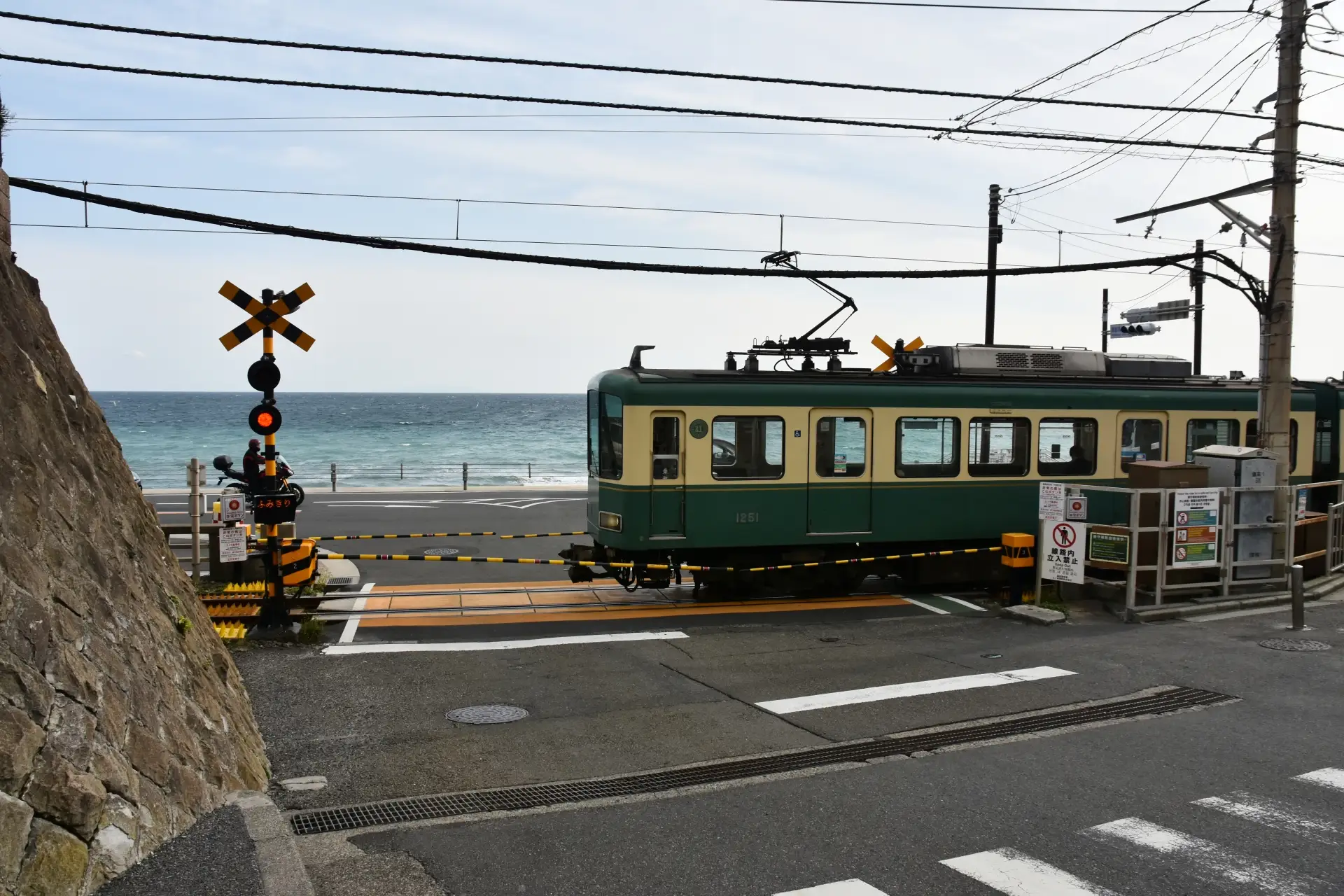
Located in Kanagawa Prefecture, southwest from Tokyo, Kamakura is about 30 minutes from Yokohama Station and roughly one hour from Tokyo Station or Haneda Airport.
Surrounded by both mountains and the sea, Kamakura offers a peaceful retreat from Tokyo’s bustling pace. It was once the seat of Japan’s first samurai government during the Kamakura Period (1185–1333), making it a place rich in cultural and historical significance.
For those reasons, these places are favored not only by young couples, but from different generations with different purposes.
Highlights of Kamakura:
- Deep historical roots and samurai heritage
- Surrounded by lush mountains and coastal scenery
- A variety of sightseeing spots, shrines, and temples
Shinto Ceremony Details
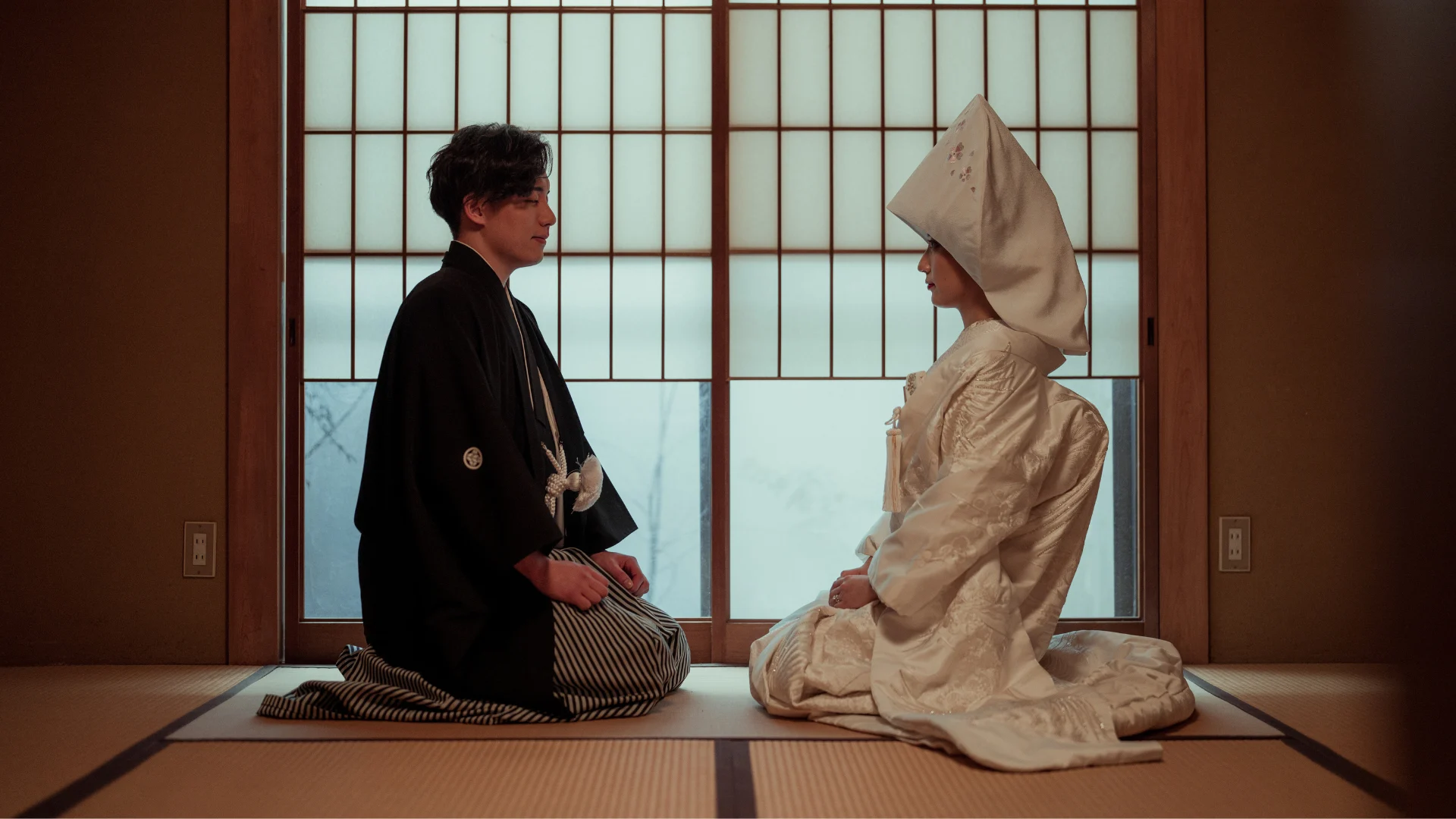
A Shinto-style wedding is one of the most traditional ways to get married in Japan. It’s a sacred ceremony conducted in front of the Shinto deities, symbolizing purity, respect, and the bond between two families.
Couples who wish to wear traditional Japanese wedding attire—such as the shiromuku (white kimono) or montsuki (formal hakama)—and celebrate with close family members will find this style deeply meaningful.
Wondering whether to go for the classic shiromuku or a modern gown? See our full comparison of shiromuku vs modern wedding dress.
Usual Flow of a Shinto Ceremony:
- Sanshin-no-gi (参進の儀) – The bride and groom walk to the main shrine accompanied by traditional Japanese music.
- Entrance – The groom’s relatives sit on the left, the bride’s relatives on the right.
- Shubatsu (修祓 ) – The priest performs a purification rite to cleanse participants from any misfortune that may happen.
- Norito-sojo (祝詞奏上) – The priest offers prayers to the deity for the couple’s happiness.
- San-san-kudo (三々九度の盃) – The couple takes three small cups of sake to honor the past, present, and future.
- Kagura-hono (神楽奉納) – Shrine maidens perform a traditional dance (available at certain shrines).
- Seishi-sojo (誓詞奏上) – The couple recites their vows to the gods.
- Tamagushi-hairei (玉串拝礼) – The couple places a sacred branch (Tamagushi) on the altar.
- Ring Exchange
- Shinzoku-hai-no-gi (親族杯の儀) – Families drink the sake offered
- Final Blessing – The priest concludes with a closing prayer.
Recommended Shrines for Shinto Ceremonies:
Some Popular Wedding Venues
Here are some wedding venues you can book for your reception after the ceremony. Some venues also offer Shinto ceremonies as part of their wedding packages.
1) 鎌倉 古今 (Kamakura Kokon)
A cozy guesthouse-style venue renovated from a traditional Japanese home that’s over 160 years old. It offers a personal, heartwarming atmosphere rather than a formal hall—perfect for intimate weddings.
Information about the venue:
| Name of the Venue | Kamakura Cocon Wedding |
| Price | Around 1.04M yen with 20 people (tax included) |
| Capacity | Up to 20 guests |
| Address | 836, Nikaido, Kamakura-shi, Kanagawa, 248-0002, Japan |
| Access | 10-minute walk from Kamakura station (JR Yokosuka line, Enoshima-dentetsu line) |
2) AMANDAN BLUE 鎌倉 (Kamakura)
If you love the sea breeze and open skies, this ocean-view venue is ideal. It combines modern elegance with a natural coastal atmosphere, perfect for couples seeking a romantic yet relaxed celebration.
Information about the venue:
| Name of the Venue | AMANDAN BLUE Kamakura |
| Price | Around 2.6M yen with 60 people |
| Capacity | 15 to 60 guests (Limited to April – May 2026 wedding) |
| Address | 5-2-25 Zaimokuza, Kamakura-shi, Kanagawa 248-0013, Japan |
| Access | 16-minute walk from Kamakura station (JR Yokosuka line, Enoshima-dentetsu line) |
3) KOTOWA 鎌倉 鶴ヶ丘会館(Kamakura Tsurugaoka-kaikan)
Located just a 3-minute walk from Tsurugaoka Hachimangu Shrine, this venue is perfect for couples holding a Shinto ceremony at the shrine. The building, originally established in the Meiji Era (1879), blends traditional Japanese aesthetics with modern design. Guests can enjoy a French-Japanese fusion menu in a stylish setting.
Information about the venue:
| Name of the Venue | KOTOWA Kamakura Tsurugaoka-kaikan |
| Price | Around 2.32 M yen for 60 guests (Limited to July – Aug 2026 wedding) |
| Capacity | 2 to 80 guests |
| Address | 2-12-27 Komachi, Kamakura-shi, Kanagawa 248-0006, Japan |
| Access | 5-minute walk from Kamakura station (JR Yokosuka line, Enoshima-dentetsu line) |
Are there any modern adaptations or changes to the ceremony?
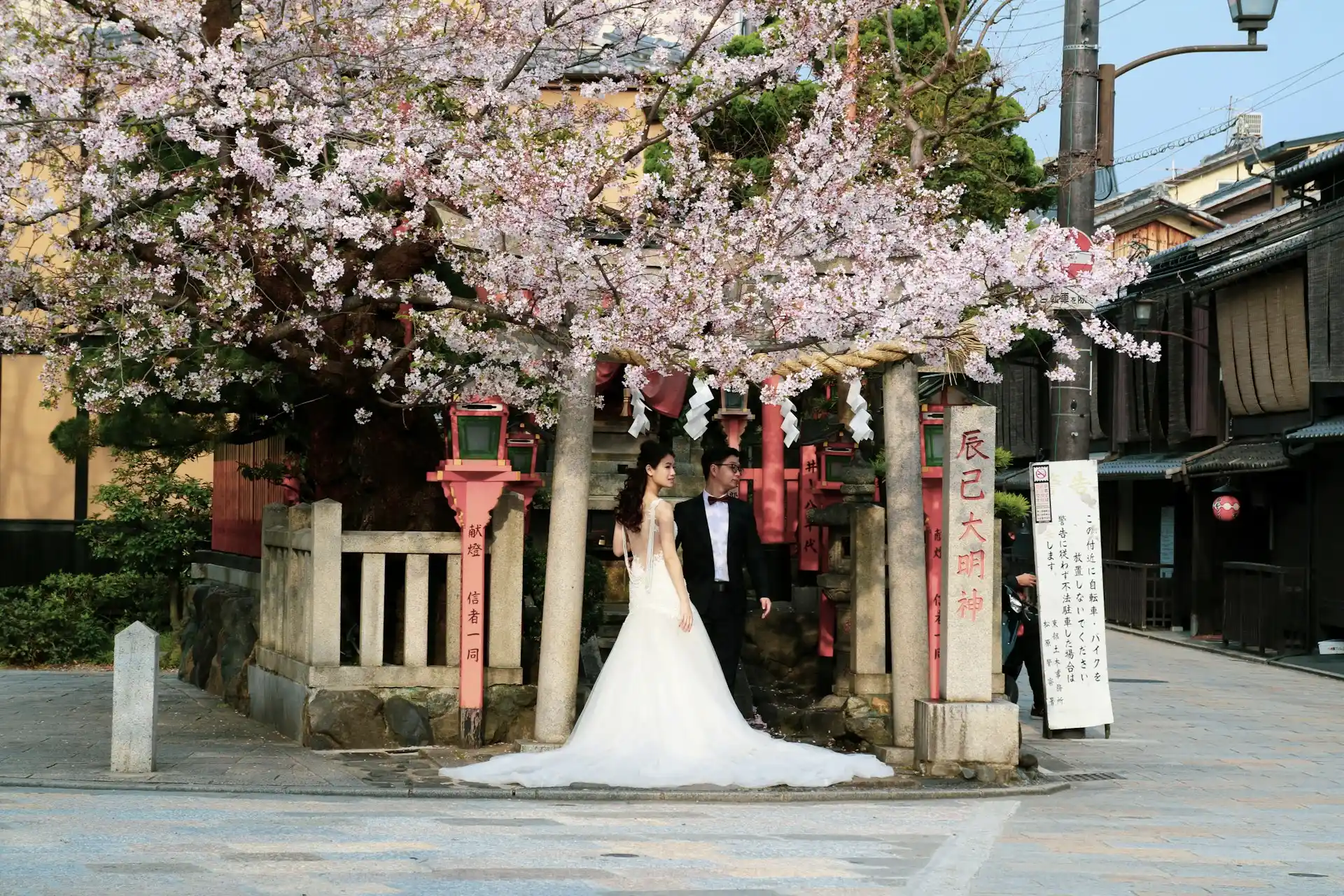
In recent years, some couples have embraced modern Japanese weddings that blend traditional and Western elements. For example, Hotel Chinzanso Tokyo offers “Japanese-modern” ceremonies where couples wear traditional clothes in a Western-style venue.
Another option is the Jinzen-shiki (人前式), or Japanese-style civil ceremony, which is non-religious and allows complete customization of vows and style.
In Kamakura, many venues now offer the flexibility to hold a Shinto ceremony followed by a Western-style reception, making it an ideal destination for cross-cultural weddings.
International couples need certified translations – our guide covers wedding document translation in Tokyo options.
Conclusion
Kamakura isn’t just a beloved destination for tourists—it’s also one of the most beautiful places in Japan to celebrate your love. With its tranquil temples, ocean breeze, and proximity to Tokyo, Kamakura offers a perfect blend of history, nature, and romance for your once-in-a-lifetime wedding.
FAQ – Kamakura Wedding Venues
1) Why choose Kamakura for a wedding?
Historic temples, ocean proximity, easy Tokyo access — intimate yet accessible destination.
2) What are the top wedding venues in Kamakura?
Tsurugaoka Hachimangu (iconic shrine), Egara Tenjinsha (serene), Kamakura Prince Hotel (resort luxury).
3) Can international couples have Shinto weddings in Kamakura?
Yes — Tsurugaoka Hachimangu and Egara Tenjinsha offer traditional ceremonies with English support options.
4) What is the guest capacity for Kamakura venues?
Small (20–50 at shrines) to larger (200 at hotel); ideal for intimate groups.
5) How far in advance to book Kamakura weddings?
6–12 months; popular seasons fill fast.
6) Are Kamakura venues English-friendly?
Prince Hotel yes; shrines often need bilingual planner.
7) Best season for Kamakura weddings?
Spring (sakura) or autumn (foliage); summer beach vibes.
8) How to get to Kamakura for weddings?
1hr train from Tokyo (Yokohama line); venues near stations.