
TL;DR – Shinto Wedding Dress Code for Foreign Guests
- – No strict dress code: but formal and modest — Japanese (kimono/hakama) or Western (covered arms/knees).
- – Ladies: Pastel dresses/skirts, no exposed skin/bright colors/animal patterns.
- – Gentlemen: Dark suit, lighter tie (no all-black).
- – Avoid: White (bride only), black ties/stockings, noisy shoes.
- – Prep: RSVP promptly, arrive early, bring goshugi.
Attending a Shinto wedding ceremony in Japan is a rare and memorable experience, especially for foreign guests. However, the formality and sacredness of the occasion can leave many unsure about what to wear or how to behave. This guide will help you understand the basics of a Shinto wedding and provide clear dress code advice so you can attend with confidence and respect.
What is a Shinto Wedding Ceremony?
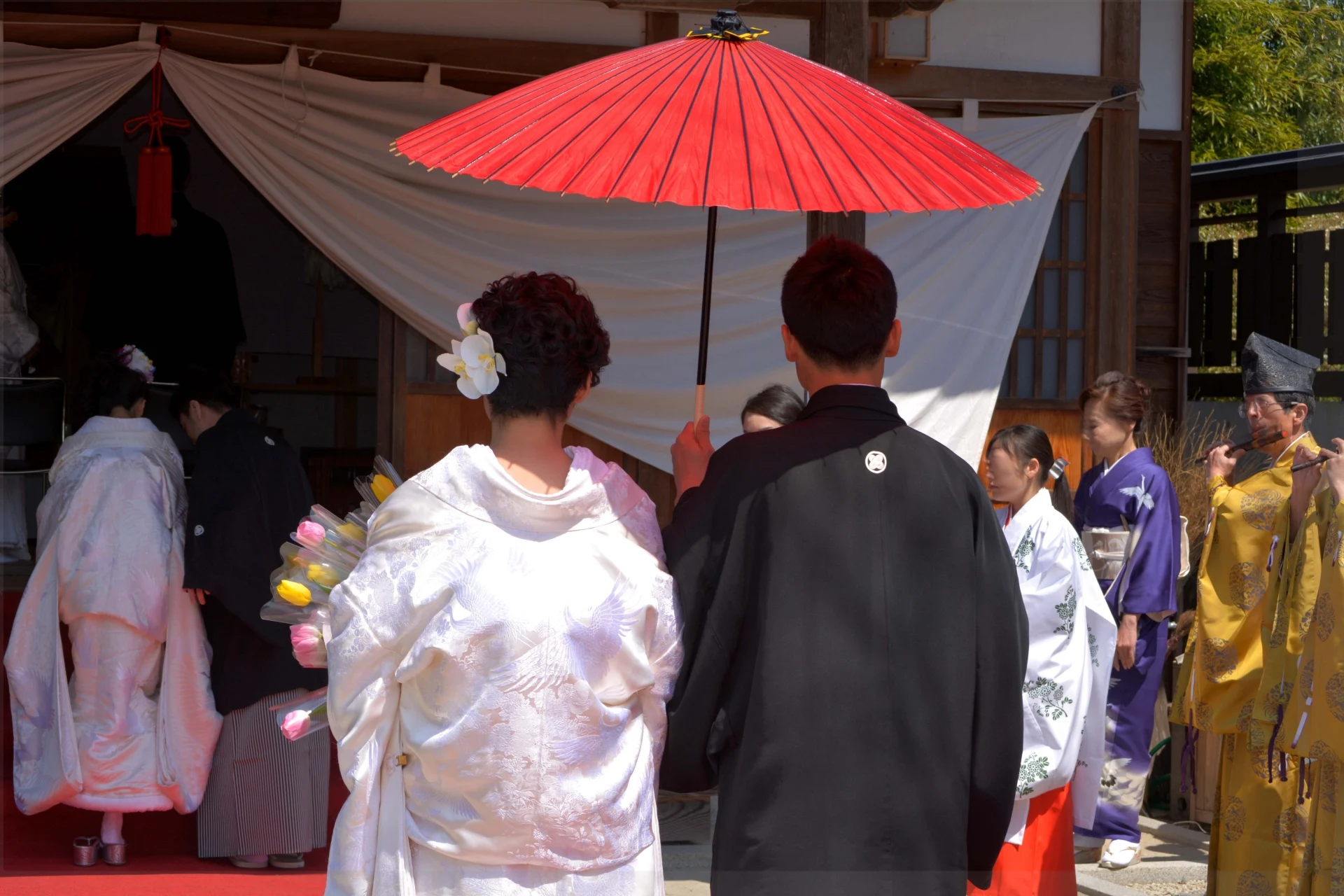
Shinto wedding ceremony (神前式 Shinzen-shiki) is a traditional Japanese wedding held at a shrine or temple. The sequence of rituals expresses gratitude towards the destined meeting and serves as a pledge of eternal love before the god (Shinto deity).
If you’re a friend or relative of your bride and/or the groom, you may witness or participate in 6 steps out of the 14 steps of the Shinto wedding ceremony.
The steps of the Shinto wedding ceremony:
- San-shin (参進) – walk the grounds
- Chakuza (着座) – sit near the main hall where the deity resides
- Shubatsu (修祓) – purification
- Saishu-ippai (斎主一拝) – everyone stands and vows
- Kensen (献饌) – offer food to the god
- Norito-sōjō (祝詞奏上) – report that you have married and pray for eternal happiness to the god
- Sankon-no-gi (三献の儀) – the bride and the groom drink the sake together
- Seishi-sōjō (誓詞奏上) – the bride and the groom swear that they are going to walk through life as a married couple
- Kagura-hōsō (神楽奉奏) – Miko, the shrine maiden dance
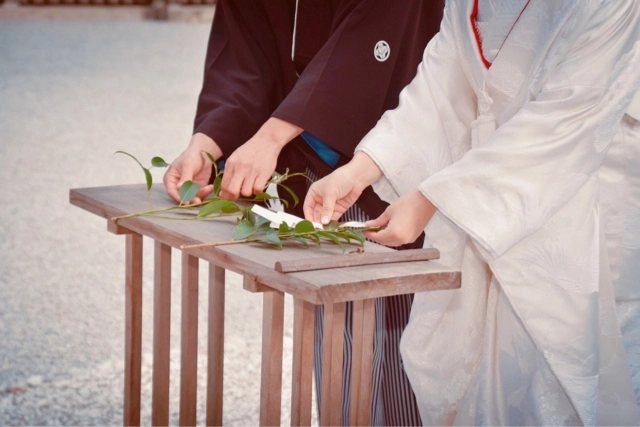
- Tamagushi-hairei (玉串拝礼) – the bride and the groom pray with the tamagushi, a sacred offering used to convey wishes
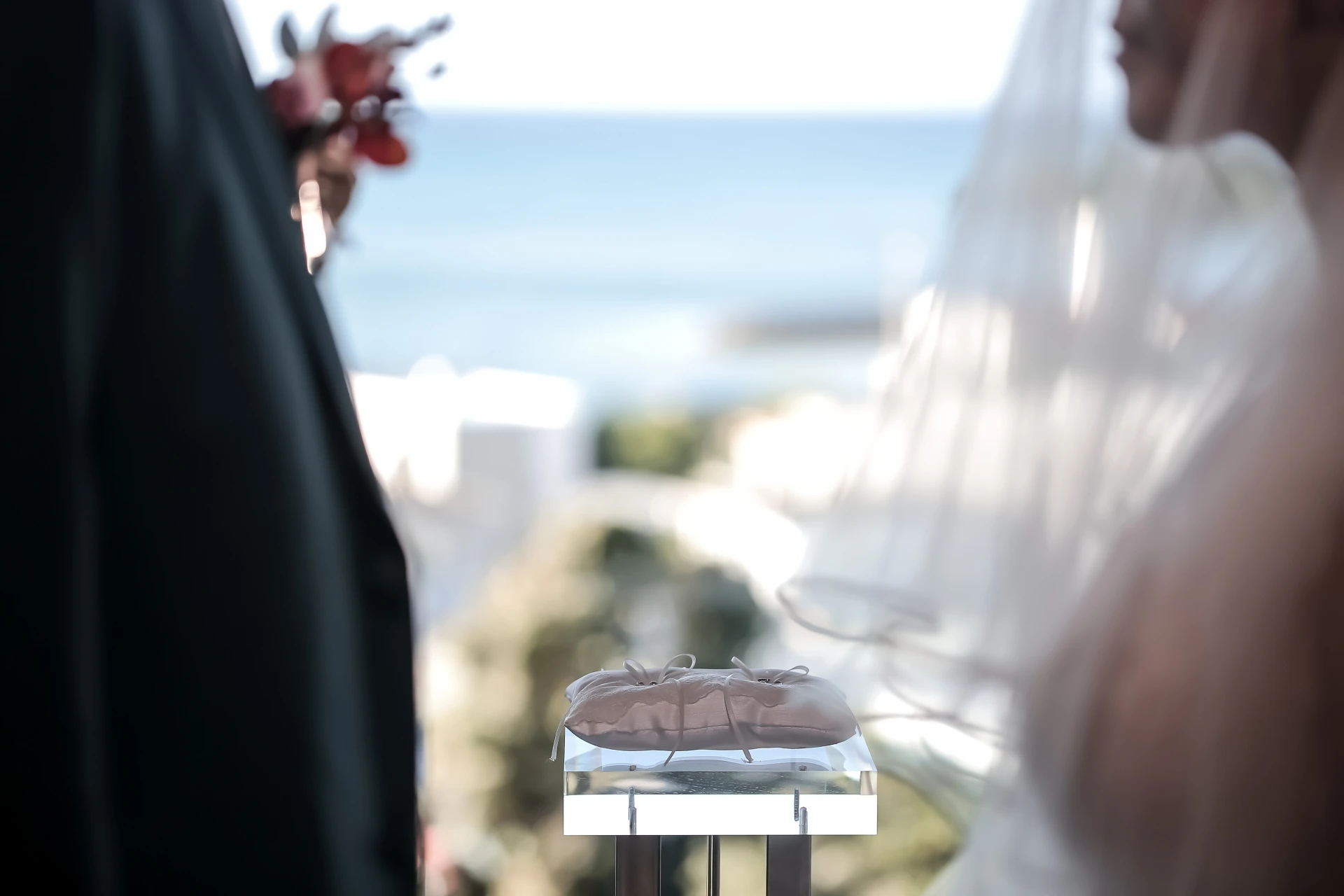
- Rings exchange (指輪交換)
- Shinzoku-sakazugi-no-gi (親族盃の儀) – drink the sake with relatives from both families
- Tessen (撤饌) – clear the food for god
- Saishu-ippai (斎主一拝) – everyone vows towards the god that gives the blessing
Wondering what a real Shinto wedding is like? Our insider guide explains every step, from procession to san-san-kudo.
General Dress Code for Shinto Weddings
Generally, there is no official strict dress code for Shinto weddings. You can wear Japanese clothing or Western clothing, although it is a traditional ceremony.
| For Lady | Dress Code |
| Japanese clothing (kimono) | Unmarried person: Wear furisode or a visiting dress with a brighter color Married person: Wear a visiting dress with a brighter color |
| Western clothing | Wear a one-piece dress or an outfit with sleeves that covers your arms and knees |
| For Gentleman | |
| Japanese clothing (hakama) | Wearing a haori (Japanese cardigan) is also appropriate |
| Western clothing | Wear a black suit with a brighter necktie such as silver gray, black, or white. |
You can rent the clothes in a rental shop or buy them and wear them on the day.
Wondering whether to go for the classic shiromuku or a modern gown? See our full comparison of shiromuku vs modern wedding dress.
Shinto Wedding Ceremony: Common Mistakes to Avoid
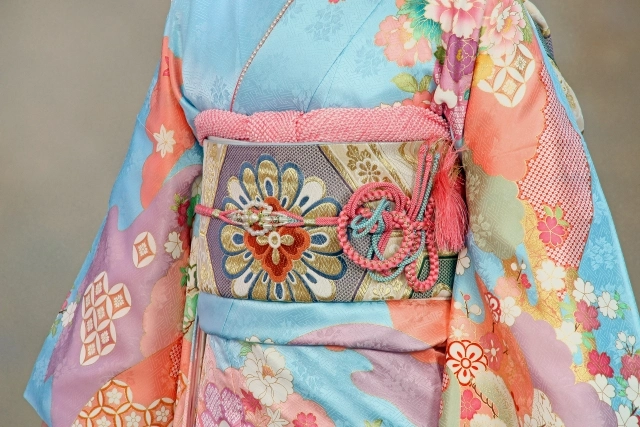
Japanese weddings – especially the Shinto ceremonies are more sacred and formal than the weddings around the world. Here are some common mistakes you might want to check out.
Common to both genders:
- Wear bright colors – You should not wear any vivid color such as yellow, orange, silver, or gold. We should dress in something that suits the color of the wedding. Aim for a formal, yet soft appearance, such as pastel pink or pastel sky blue for a lady.
- Wear animal pattern – We should not wear it for the same reason.
Lady:
- Expose your skin – It’s common for women’s wedding attire to expose the arms in many countries. In that case, you can wear a shawl to cover your shoulders, so that your skin will be covered
- Barefoot – there will be sometime, you need to take off your shoes. Be sure you wear socks or stockings to be prepared.
- Wearing stiletto shoes – you should avoid shoes or anything that will make a sound when you move. This is one of the moments for the bride and groom, and we do not want to ruin that
Gentleman:
Wear a black suit and a black tie – wearing all black is considered a funeral cloth in Japan. Choose a tie in a lighter or more festive color.
Shinto Wedding Ceremony: How to Prepare as a Foreign Guest
Preparing as a foreign guest can feel overwhelming. Here are 3 things you may want to keep in mind after you receive the invitation card from the bride and/or the groom.
1) Respond properly to the invitation
Japanese wedding invitations often include a reply card. Make sure you return it by the indicated date, with the appropriate wording (usually a simple congratulatory message if a space is provided). Only RSVP for yourself unless it allows a guest. If you can’t attend, still respond with your regrets – ignoring is considered rude
2) Arrive on time to the Wedding
Let’s aim to be at the venue at least 15-20 minutes before the ceremony starts. The shrine or the temple can be so huge that you need some time to reach where the ceremony is held.
We recommend scouting the location in advance to avoid delays.
3) Prepare the Goshugi
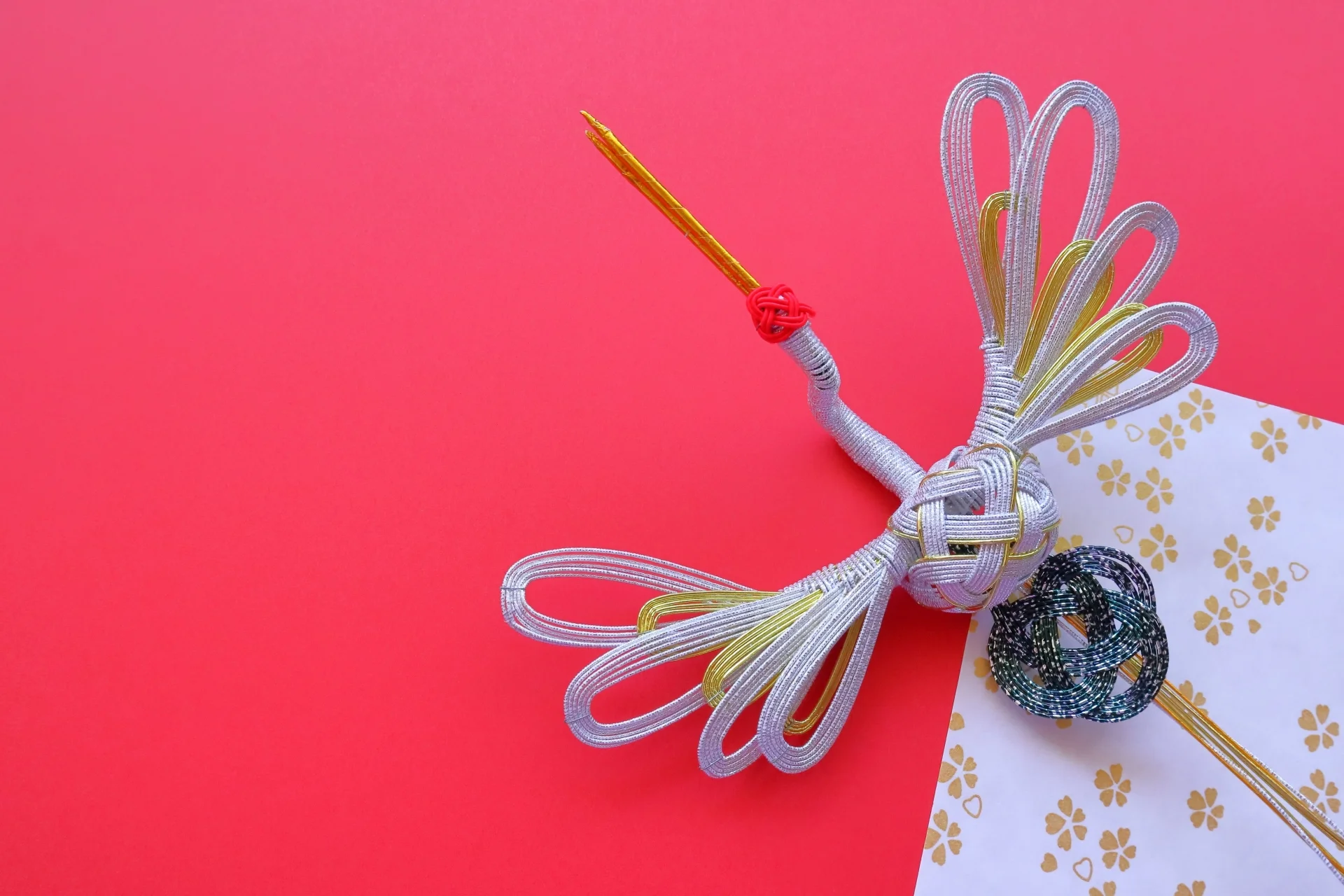
Goshugi (ご祝儀) is a traditional money gift given to the bride and groom as a token of congratulations. Well before the wedding, arrange to get crisp new bills from your bank. If you’re already in Japan, you can request new bills at a Japanese bank, or sometimes post offices and large bank ATMs have machines that exchange for fresh notes
There are some other regulations in preparing the goshugi, so we recommend you to read this article before preparing it.
Let’s Dress Appropriately to Show Gratitude
A wedding is a special moment, especially for the bride and groom, and we must respect the moment by dressing ourselves appropriately and acting courteously.
Don’t be afraid to partake in the customs. You’ll find that doing so not only avoids any faux pas but actively enhances your appreciation of the ceremony. The couple and their families will notice your respectful attire and demeanor, and that in itself is a wonderful gift you give them.
Take time to soak in the atmosphere, offer your sincere congratulations (“Omedetō gozaimasu!”), and enjoy the harmony of tradition and celebration!
FAQ – Shinto Wedding Dress Code for Foreign Guests
1) What is the dress code for foreign guests at a Shinto wedding?
Formal and modest: Japanese kimono (furisode/visiting dress) or Western outfits covering arms/knees in soft colors.
2) Can foreign guests wear Western clothing to a Shinto wedding?
Yes — one-piece dresses (ladies) or dark suits (gentlemen) are common and acceptable.
3) What colors should I avoid at a Shinto wedding?
Bright/vivid colors (yellow, orange, gold), white (bride only), and all-black (funeral association).
4) Is it OK to show shoulders or wear sleeveless dresses?
No — cover with a shawl/bolero; modesty is key.
5) What shoes are appropriate for Shinto weddings?
Quiet, non-stiletto — you’ll remove shoes at times, so wear socks/stockings.
6) Do men need to avoid black ties at Shinto weddings?
Yes — black ties/stockings are funeral-associated; choose lighter colors.
7) Should foreign guests prepare goshugi?
Yes — crisp new bills in a shugi bukuro envelope.
8) How early should I arrive at a Shinto wedding?
15–20 minutes early — shrines can be large.