
TL;DR – Traditional Japanese Bridal Attire
- – Traditional Japanese Bridal Attire centres on the shiromuku (pure white kimono for the Shinto ceremony, symbolising purity, innocence, and readiness to join the groom’s family) and the colourful iro-uchikake (embroidered outer robe worn for the reception, representing prosperity and celebration).
- – Main differences: Traditional attire prioritises deep cultural symbolism and heritage but is heavier and more restrictive; modern gowns focus on individuality and ease of movement but lack traditional Shinto meaning.
- – How brides often mix: Many brides (including expert Wako Koshigai in her own wedding) change from shiromuku to iro-uchikake—or blend with a modern dress—to enjoy both solemn tradition and festive comfort.
- – Choosing depends on venue (shrine vs hotel/garden), season, desired cultural experience, and practical needs like all-day wear.
When it comes to weddings, few choices carry as much weight as the bride’s attire. It is not merely clothing, but a profound expression of culture, personality, and the vision for one of life’s most cherished days.
In 2026 Japan, brides stand at a beautiful crossroads: the timeless elegance of traditional garments like the shiromuku and iro-uchikake, or the versatile appeal of modern wedding dresses.
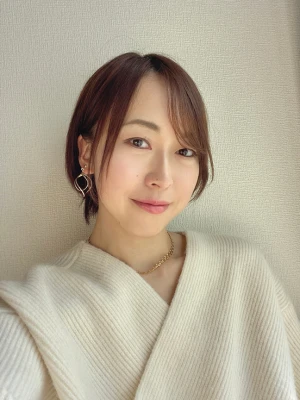
To find out more, I interviewed Wako Koshigai. Drawing from over 15 years of experience as a professional hairdresser specialising in traditional Japanese wedding hairstyles and kimono dressing, Wako Koshigai offers deep insights into these options, rooted in her intimate knowledge of Japan’s wedding culture and evolving trends.
- The Timeless Allure of the Shiromuku
- Transitioning to Celebration: The Vibrant Iro-Uchikake
- Embracing Individuality: The Rise of Modern Wedding Dresses
- Symbolism Versus Personal Expression
- Practical Considerations: Comfort and Mobility
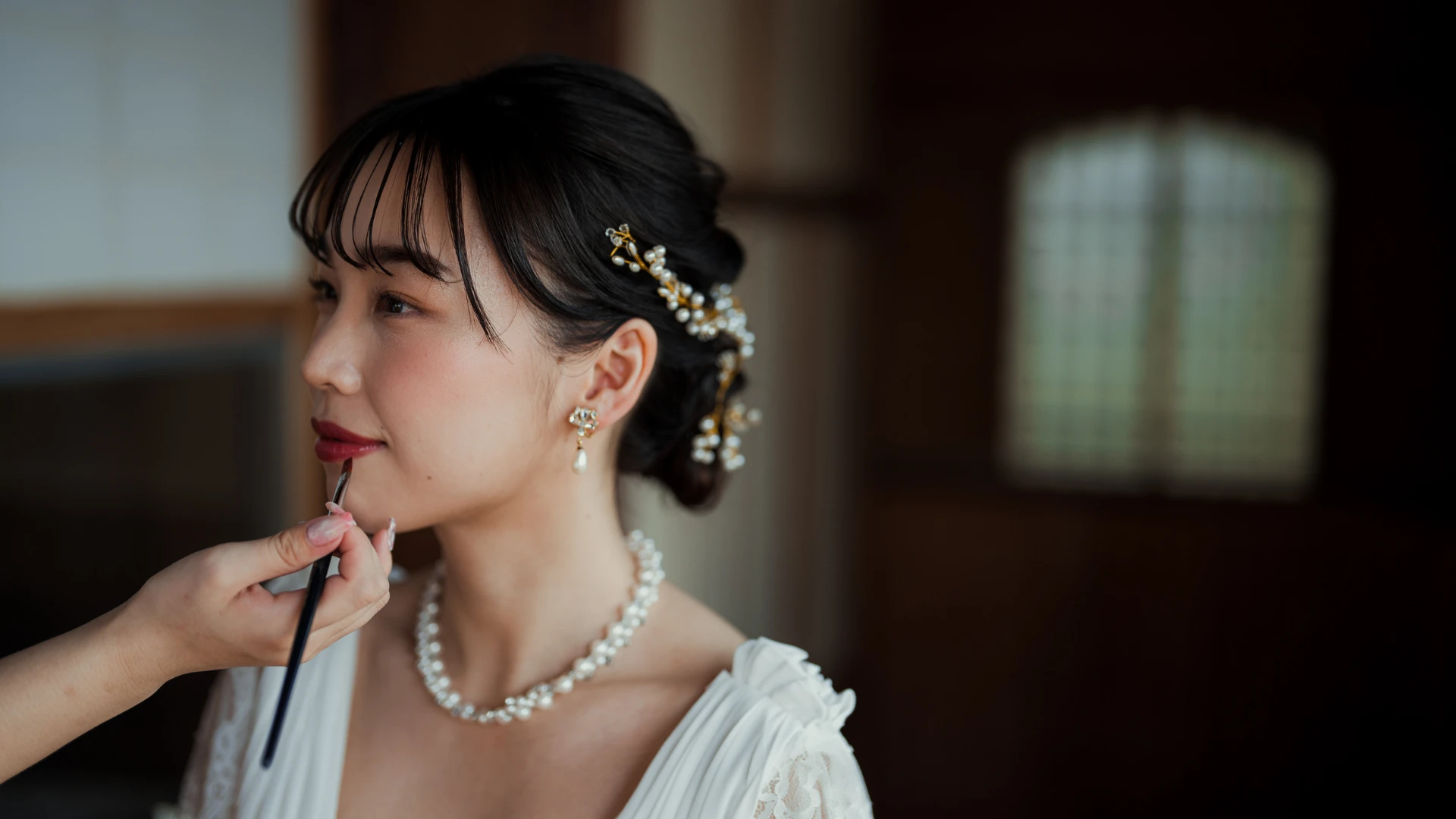
- Accessories and the Finishing Touches
- What Brides Actually Say: Real Experiences from Japanese Weddings
- 2026 Trends: Blending Tradition and Modern Styles
- Cost Comparison: Traditional Japanese Attire vs Modern Wedding Dresses in Japan
- Guidance for Choosing Your Path
The Timeless Allure of the Shiromuku
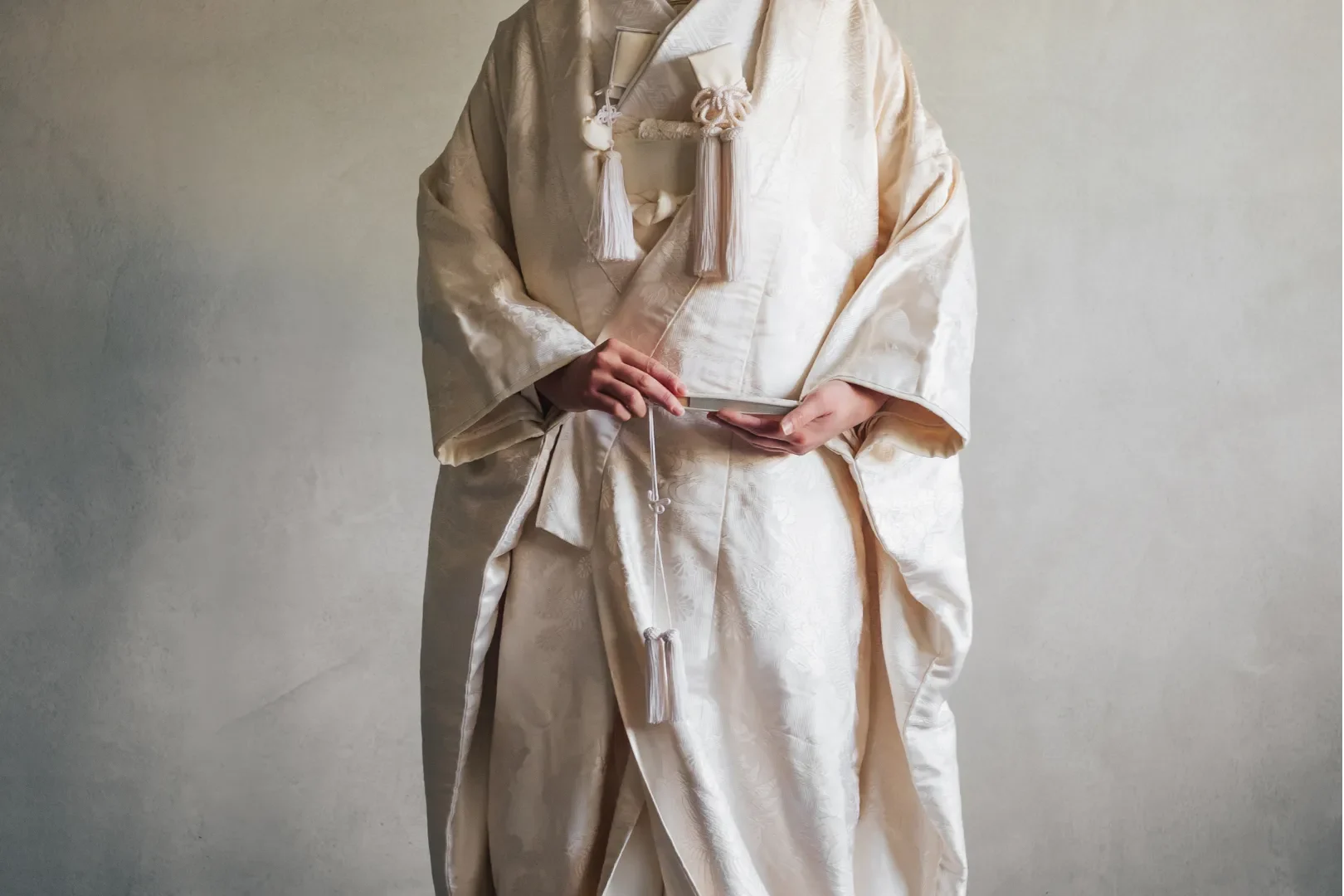
At the heart of traditional Shinto wedding ceremonies lies the shiromuku 白無垢 (translates to white wedding kimono), a pure white bridal kimono that radiates simplicity and profound symbolism. The colour white represents purity and innocence, while also signifying the bride’s readiness to adopt the colours—or traditions—of her new family.
It is often paired with accessories such as the wataboshi, a white hood that symbolises modesty, or the tsunokakushi, a headpiece meant to conceal any “horns” of jealousy, the shiromuku creates an atmosphere of serenity and sacred reverence.
This attire transforms the bride into a figure of quiet grace amid the rituals of a Shinto shrine. Its understated elegance allows the focus to remain on the spiritual union, evoking a sense of cultural heritage that connects generations. For many, wearing the shiromuku is more than fashion; it is an embodiment of respect for ancient customs and family ties.
Wako Koshigai recalls her own experience vividly: “A few years ago, I had the opportunity to have a Shinto wedding ceremony. During the ceremony, I wore a shiromuku… The pure elegance of the white attire made the special day even more memorable.”
Transitioning to Celebration: The Vibrant Iro-Uchikake
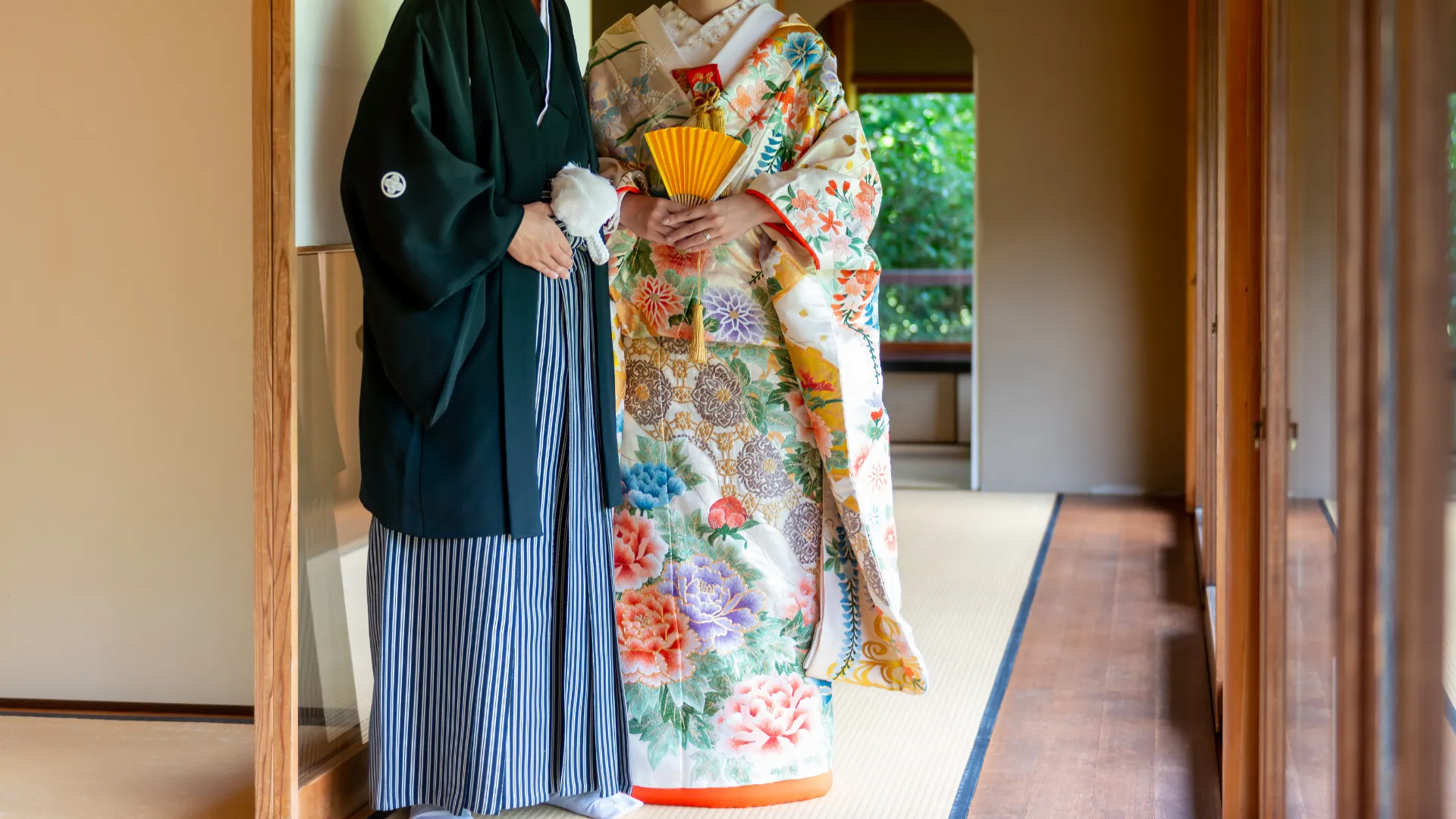
Following the solemnity of the ceremony, many brides change into the iro-uchikake 色打掛 (translates to colourful women’s outer robe), a colourful outer robe layered over the kimono. This garment bursts with life through intricate embroidery depicting motifs like cranes for longevity, flowers for beauty, or waves for resilience—each design wishing prosperity and happiness upon the couple.
In hues of red, gold, or bold combinations, the iro-uchikake shifts the mood from sacred restraint to joyful festivity, ideal for receptions and photographs. It celebrates the union’s brighter, more exuberant side, allowing the bride to shine amid guests and celebrations.
As Koshigai notes from her personal transition: “…and for the reception, I changed into an iro-uchikake. The transition from the pure elegance of the white attire to the vibrant colours of the iro-uchikake made the special day even more memorable.”
This change underscores a beautiful narrative arc in traditional Japanese weddings: from purity and commitment in white, to prosperity and joy in colour.
Embracing Individuality: The Rise of Modern Wedding Dresses
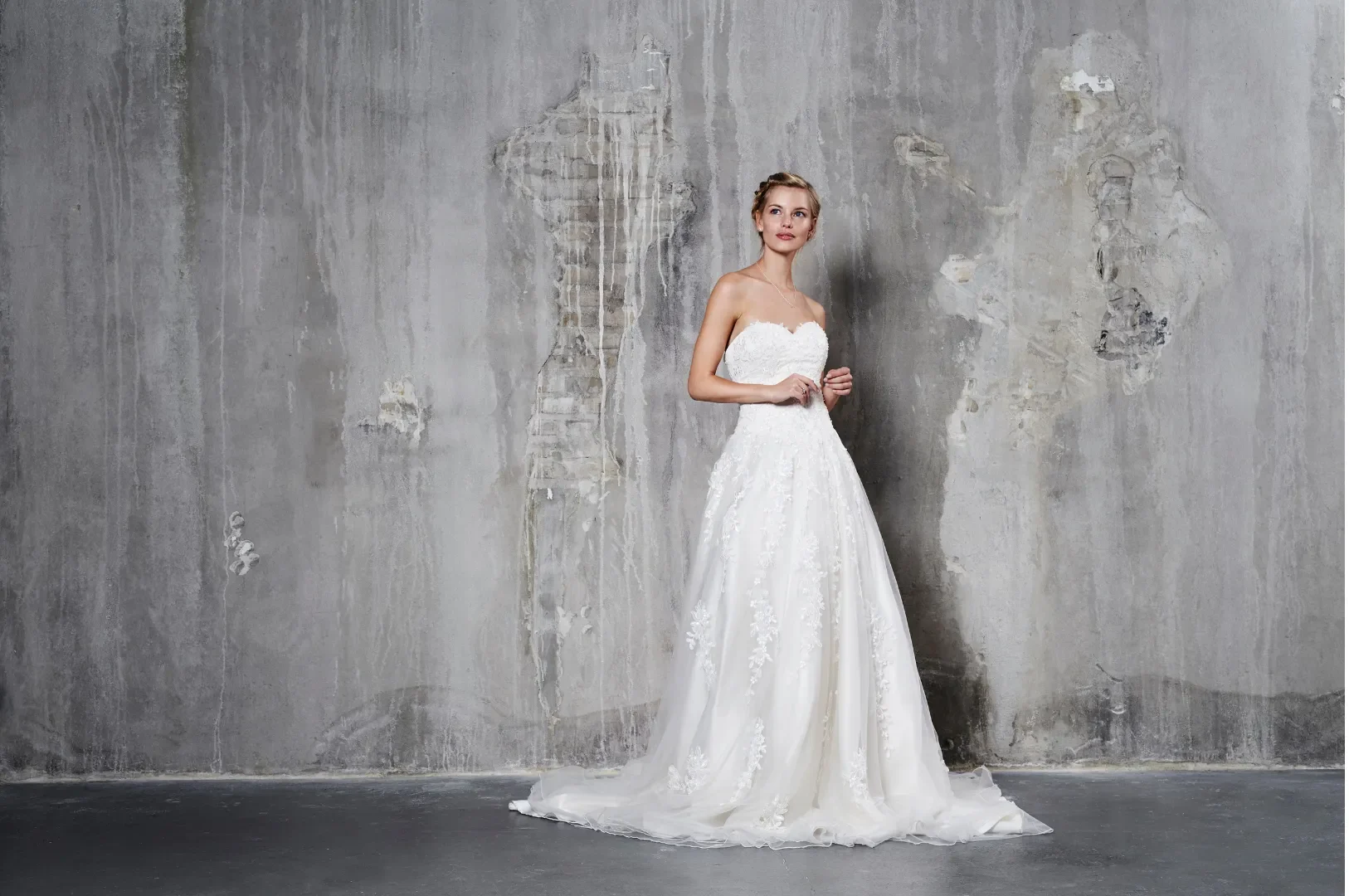
In contrast, modern wedding dresses offer brides a canvas for personal expression. Ranging from voluminous princess ball gowns to form-fitting mermaid styles, these gowns incorporate global trends with fabrics like lace, tulle, and satin. Details such as beadwork, off-the-shoulder necks, or sleek silhouettes allow brides to align their look with individual tastes and the wedding’s overall aesthetic.
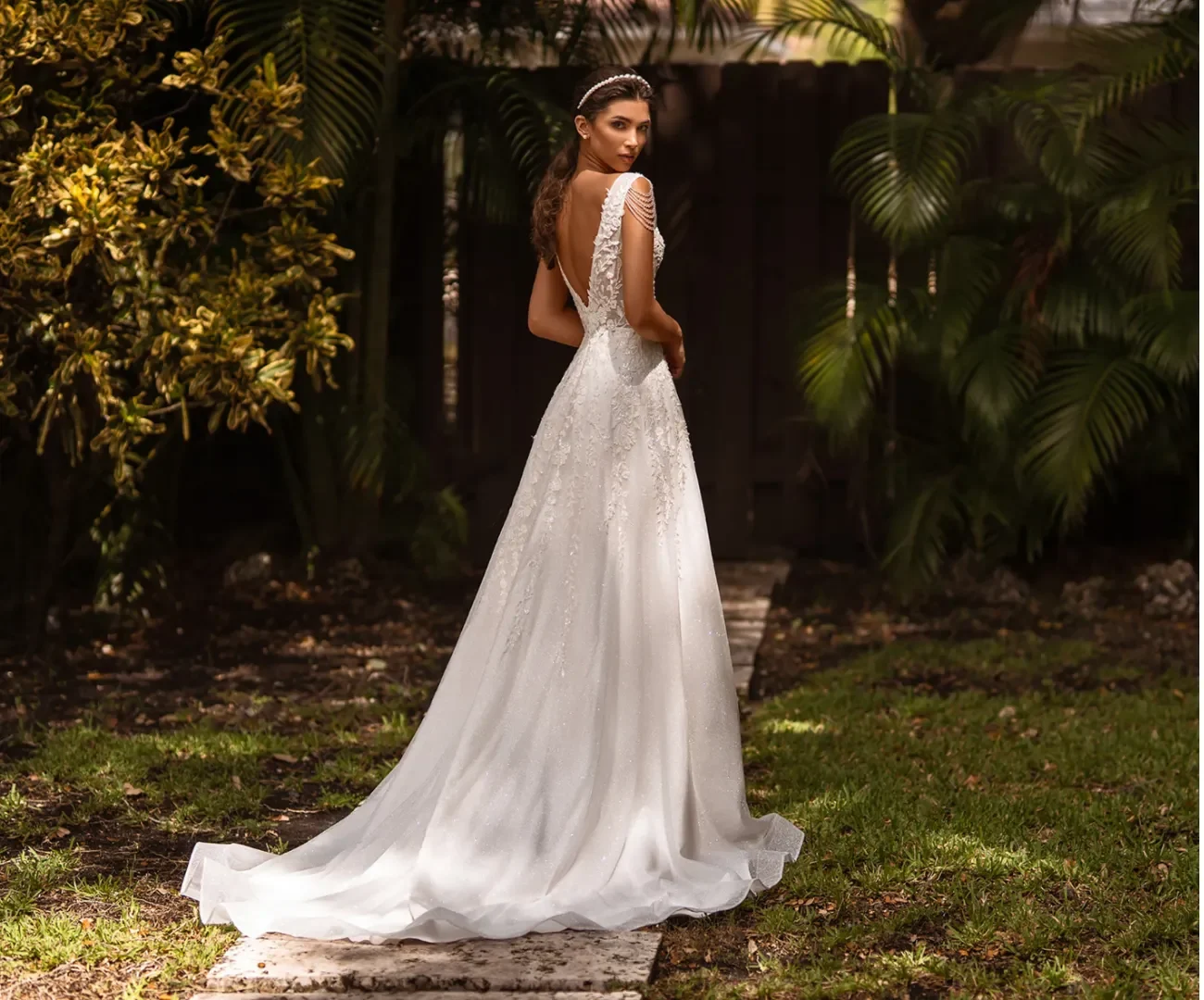
These dresses shine in diverse settings, from outdoor gardens to hotel ballrooms, providing lightness and flexibility that traditional layers often lack. They prioritise comfort for all-day wear, enabling brides to dance, mingle, and move freely without assistance.
For contemporary couples, this style emphasises personality over ritual symbolism, blending international influences with personal flair to create a uniquely modern statement.
Symbolism Versus Personal Expression
One of the most striking differences lies in meaning. Traditional attire deeply embeds cultural heritage: the shiromuku’s white for purity and familial adaptation, the iro-uchikake’s motifs for prosperity. These elements tie the bride to Shinto rituals and ancestral values, fostering a sense of continuity and respect.
Modern dresses, however, shift the focus to individuality. Without prescribed symbolism, brides curate styles that reflect their stories, preferences, and visions—prioritising self-expression in an increasingly globalised world.
This contrast allows couples to choose attire that resonates with their values, whether honouring roots or forging new paths.
Practical Considerations: Comfort and Mobility
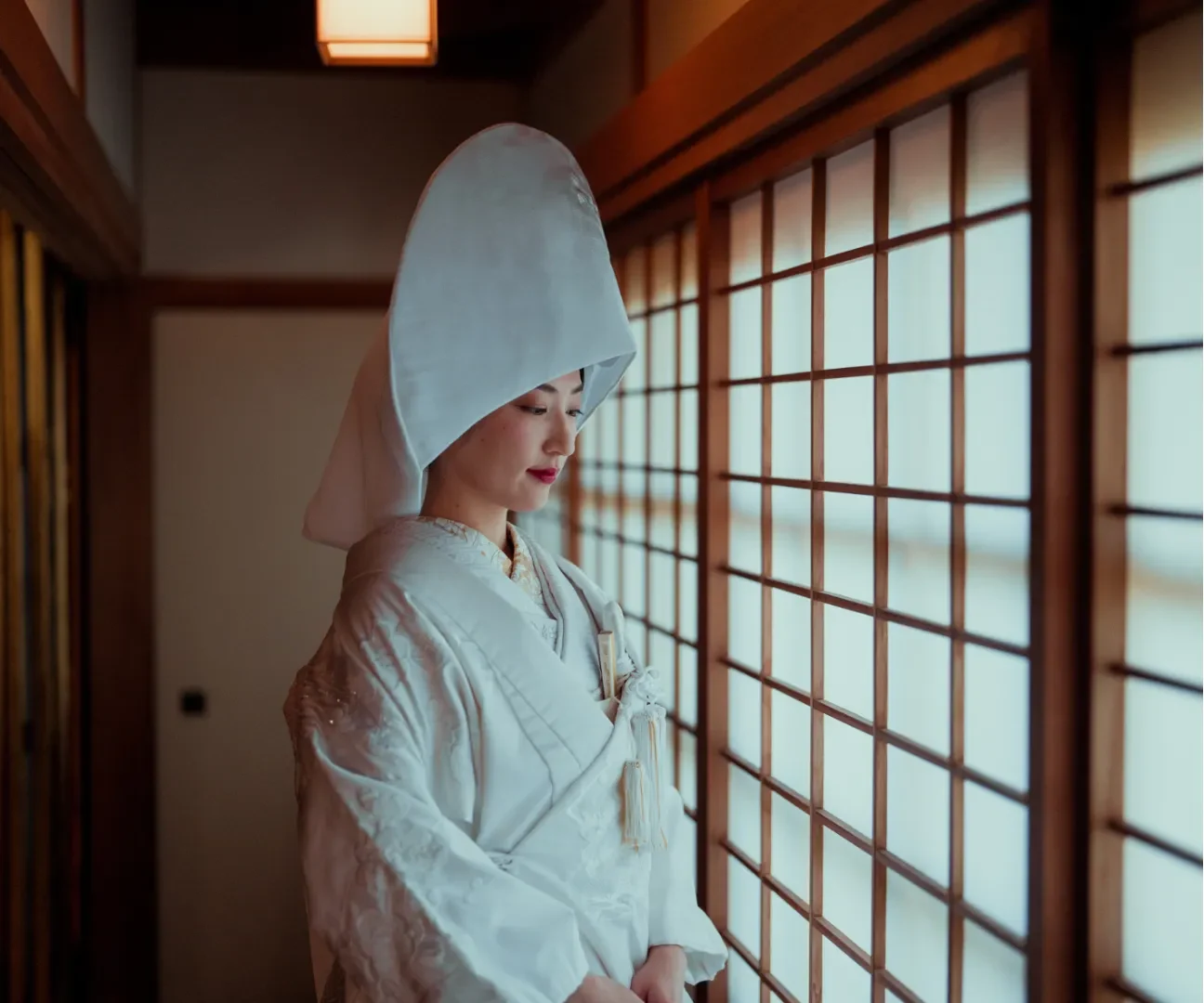
Beyond symbolism, practicality plays a key role. Traditional kimono ensembles, with their multiple heavy layers and elaborate folds, can restrict movement and require help for basic tasks. While breathtaking, they demand patience and support, suiting the structured pace of shrine ceremonies.
Modern gowns, designed for mobility, use lighter materials that allow effortless navigation through varied activities. This comfort proves invaluable for longer events or active receptions, ensuring the bride feels at ease throughout.
Koshigai’s expertise highlights how these practicalities influence choices, especially as trends evolve toward blended weddings.
Accessories and the Finishing Touches
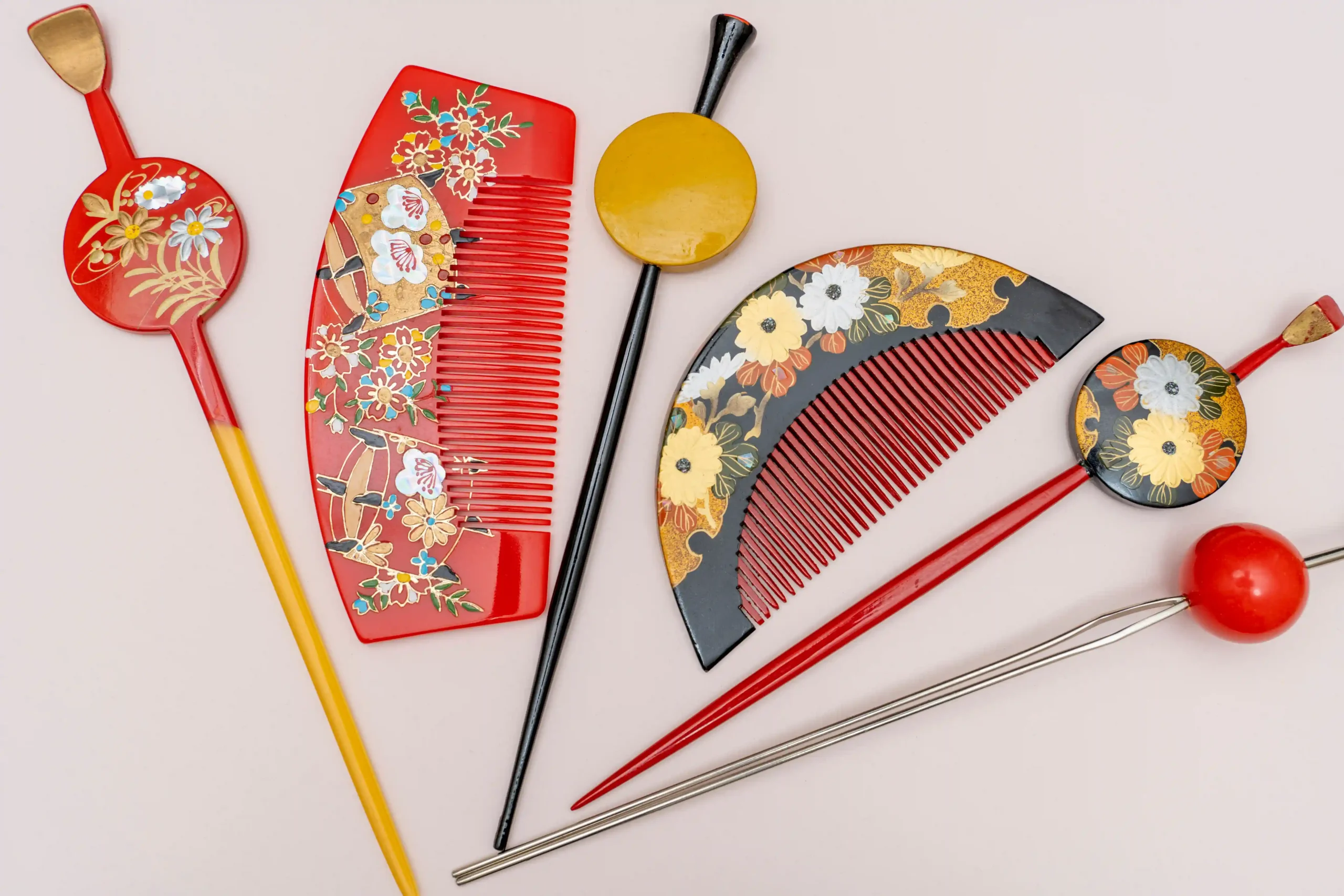
Accessories further distinguish the styles. Traditional looks feature specific items like kanzashi hair ornaments, wataboshi hoods, or tsunokakushi headpieces, each reinforcing cultural connections and enhancing the kimono’s harmony.
Modern dresses invite freer choices—veils, tiaras, jewellery—that complement personal style and gown design, offering endless customisation.
These elements complete the bride’s transformation, whether rooted in tradition or contemporary creativity.
What Brides Actually Say: Real Experiences from Japanese Weddings
In general, most foreign couples often share glowing accounts when wearing the shiromuku and iro-uchikake. Many foreigners say that the traditional wedding attire provides profound cultural immersion that turns their weddings into a unique blend of heritage and personal adventure.
2026 Trends: Blending Tradition and Modern Styles
Many foreign couples blend the styles by starting the ceremony with a shiromuku, and later switch to the iro-uchikake/modern wedding dress for the reception or photos. Many couples say that this hybrid approach allows them to few comfortable while also honouring the tradition. The transition of the colours in their clothing also reflecting their joy after taking part in the solemn vows.
Foreign couples do mention the weight and restrictiveness of the layered kimono. They also require professional dressers and limiting mobility. But they do emphasise that the stunning photos and emotional payoff makes the whole experience worthwhile.
Some taller or larger foreigners did share stories of needing adjustments like adding extra padding to fit well. But overall, the process was fun and memorable for them.
Cost Comparison: Traditional Japanese Attire vs Modern Wedding Dresses in Japan
With any we wedding, costs are probably the biggest decisions couples will have to make. When it comes to wedding attire, they are usually rented instead of purchased due to the high costs and limited reuse after the wedding ceremony. Prices can also vary widely based on quality, whether there is dressing assistance, hair or makeup and accessories.
For traditional bridal kimonos (Shiromuku and Iro-Uchikake), their rentals are intricate and can be labour-intensive often requiring professional dressers. The prices do include accessories as well like the wataboshi or tsunokakushi.
For a basic or photo shoot only rental, it could cost between ¥50,000 to ¥300,000 (approx. $350 to $2,100 USD) for shiromuku or iro-uchikake. A full wedding package (ceremony + attire + dressing) might cost between ¥220,000 to ¥500,000+ (approx. $1,500 to $3,500 USD). High end options might sometimes reach ¥1,000,000 (over $7,000 USD) for elaborate embroidery and multiple changes. If a bride were to rent both the Shiromuku and Iro-Uchikake, then the costs would increase even more.
For modern wedding dresses, you can expect to pay anywhere in-between ¥100,000 to ¥1,000,000 (approx. $700–$7,000 USD). On average it will be about ¥300,000 to ¥500,000 ($2,100–$3,500 USD). There are also budget options in smaller towns that start lower at ¥100,000 and higher end designer or imported options that cost more than ¥1,000,000.
| Type of Rental | Traditional (Shiromuku + Iro-Uchikake) | Modern Wedding Dress |
|---|---|---|
| Basic / Photoshoot only |
¥50,000 – ¥300,000 (≈ $350 – $2,100 USD) |
¥100,000 – ¥300,000 (≈ $700 – $2,100 USD) |
| Average full wedding package (ceremony + dressing + hair/makeup) |
¥220,000 – ¥500,000+ (≈ $1,500 – $3,500+ USD) |
¥300,000 – ¥500,000 (≈ $2,100 – $3,500 USD) |
| High-end / Designer / Multiple changes |
Up to ¥1,000,000+ (over $7,000 USD) |
¥500,000 – ¥1,000,000+ (≈ $3,500 – $7,000+ USD) |
| Rent both outfits (ceremony + reception) |
Costs increase significantly (most common choice) |
Costs increase if you change dresses twice |
Prices are approximate 2026 rental rates in Tokyo/Kyoto. Budget options exist in smaller towns. Exact quotes depend on shop and inclusions.
Guidance for Choosing Your Path
When deciding, consider the wedding’s theme and venue: a Shinto shrine naturally calls for shiromuku, while hotels or gardens favour modern versatility. Season matters too—traditional garments pair poetically with cherry blossoms or autumn leaves, yet modern dresses adapt year-round.
For international or blended couples, experiencing traditional attire can add a memorable cultural layer.
Ultimately, both paths offer unparalleled beauty. Traditional attire provides depth and heritage, while modern dresses deliver freedom and comfort. As Koshigai’s insights reveal, the perfect choice reflects the couple’s unique vision, creating an unforgettable celebration of love.
| Aspect | Traditional Attire (Shiromuku & Iro-Uchikake) | Modern Wedding Dresses |
|---|---|---|
| Symbolism & Culture |
Pros: Deep cultural heritage; shiromuku symbolises purity and family ties; iro-uchikake represents prosperity and happiness with motifs like cranes/flowers. Cons: Less focus on personal individuality. |
Pros: Emphasises personal style and self-expression. Cons: Lacks traditional Shinto symbolism and heritage depth. |
| Comfort & Mobility |
Pros: Serene, elegant feel for ceremonies. Cons: Heavy layers, restrictive; often requires assistance to move; not ideal for all-day wear or active events. |
Pros: Lighter, flexible materials; easy movement for dancing/receptions; comfortable year-round. Cons: May feel less “sacred” in formal rituals. |
| Aesthetics & Photos |
Pros: Timeless, stunning in shrine settings (e.g., with cherry blossoms); vibrant transition from white to colour. Cons: Limited styles; can feel formal/restrictive in poses. |
Pros: Diverse silhouettes (ball gown, mermaid); incorporates trends like lace/beadwork. Cons: Less unique in traditional Japanese venues. |
| Practicality |
Pros: Memorable cultural experience; pairs beautifully with seasons. Cons: Specific accessories (wataboshi, tsunokakushi) required; harder for international/blended couples without help. |
Pros: Versatile for any venue/weather; easier self-expression with veils/tiaras. Cons: May not align with strict Shinto rituals. |
FAQ – Traditional Japanese Bridal Attire
1) Can I wear a modern wedding dress for a Shinto ceremony?
Traditionally, a Shinto ceremony calls for the shiromuku to honour cultural rituals and symbolism. However, modern practices are flexible—many couples blend styles, and some choose a modern dress for the entire day or switch to one after the ceremony. If purity and tradition are priorities, shiromuku is preferred for the shrine ritual itself.
2) Is the shiromuku only for the ceremony?
Yes, the shiromuku is traditionally reserved for the solemnity of the Shinto ceremony, reflecting purity and sacred reverence. Brides often change into the more colourful iro-uchikake for the reception or photo sessions to shift to a festive mood.
3) What is the difference between shiromuku and iro-uchikake?
The shiromuku is an all-white bridal kimono worn during the Shinto ceremony, symbolising purity, innocence, and the bride’s readiness to adopt her new family’s traditions. The iro-uchikake is a colourful outer robe (often in red, gold, or vibrant hues) with intricate embroidery of motifs like cranes or flowers, representing prosperity and happiness; it is typically worn over the kimono for the reception to highlight celebration.
4) How heavy is a traditional Japanese wedding kimono?
Traditional ensembles like the shiromuku and iro-uchikake are heavy and restrictive due to their multiple layers, intricate designs, and padding (especially in the uchikake for trailing elegance). Brides often require assistance to move comfortably, as the weight and structure limit mobility compared to lighter modern dresses. Exact weights vary, but the layered construction makes them significantly heavier than everyday kimono.
5) What does the white colour in the shiromuku symbolise?
The white colour of the shiromuku symbolises purity, innocence, and the bride’s willingness to embrace her new family’s traditions.
6) What are common accessories worn with the shiromuku?
Common accessories include the wataboshi (a white hood symbolising modesty) and the tsunokakushi (a headpiece designed to “hide the horns” of jealousy).
7) What motifs are typically found on an iro-uchikake?
The iro-uchikake is often adorned with intricate embroidery featuring motifs like cranes, flowers, or waves, representing prosperity and happiness.
8) Why do many brides change from shiromuku to iro-uchikake during the wedding?
Brides traditionally wear the shiromuku for the solemn Shinto ceremony to reflect purity, then change into the vibrant iro-uchikake for the reception to highlight the festive celebration.
9) Are traditional Japanese wedding kimonos comfortable for all-day wear?
No, shiromuku and iro-uchikake can be heavy and restrictive due to their multiple layers and intricate designs, often requiring assistance to move comfortably.
10) How do modern wedding dresses compare in terms of mobility?
Modern wedding dresses are typically lighter and more flexible, designed for ease of movement and comfort during various wedding activities, such as outdoor ceremonies or receptions.
11) What factors should couples consider when choosing between traditional attire and modern dresses?
Key factors include the theme and venue (e.g., Shinto shrine for shiromuku), season and weather (traditional pairs well with cherry blossoms or autumn foliage), and the desire for a cultural experience.
12) Can traditional and modern styles be combined in one wedding?
Yes, many couples opt for the shiromuku during the ceremony and switch to a modern dress for the reception, blending cultural heritage with personal comfort and style.
13) Can traditional and modern styles be combined in one wedding?
How much would a traditional Japanese wedding attire cost? For a basic or photo shoot only rental, it could cost between ¥50,000 to ¥300,000 (approx. $350 to $2,100 USD) for shiromuku or iro-uchikake. A full wedding package (ceremony + attire + dressing) might cost between ¥220,000 to ¥500,000+ (approx. $1,500 to $3,500 USD).